

When most visitors think of Hawaiian sweets, the first thing that comes to mind is Haupia—the creamy, white coconut milk pudding found on nearly every plate lunch across the islands. While haupia is a beloved classic, the world of traditional Hawaiian desserts is much deeper and more complex, rooted in the versatile and earthy flavors of kalo (taro), ‘uala (sweet potato), and niu (coconut). These desserts are a reflection of Hawaii's agricultural history, utilizing the natural bounty of the islands to create textures and flavors found nowhere else in the world.
At Waiahole Poi Factory, we believe that a truly authentic meal isn't finished until you've experienced the rich, slow-cooked sweetness of our ancestral treats. In this comprehensive guide, we’re going far beyond the basic coconut square to explore the dense textures and fascinating histories of Hawaii's most authentic desserts—including our legendary Sweet Lady of Waiahole.
The Pillars of Hawaiian Sweets: Ancient Flavors
Traditional Hawaiian desserts are unique because they historically rarely relied on refined white sugars. Instead, the deep, caramel-like sweetness comes from the natural sugars of the plants themselves, concentrated through incredibly long steaming or baking processes. This results in desserts that are dense, nutrient-rich, and deeply satisfying, designed to provide sustained energy while honoring the ‘āina (land).
1. Kulolo: The Crown Jewel of Taro Desserts
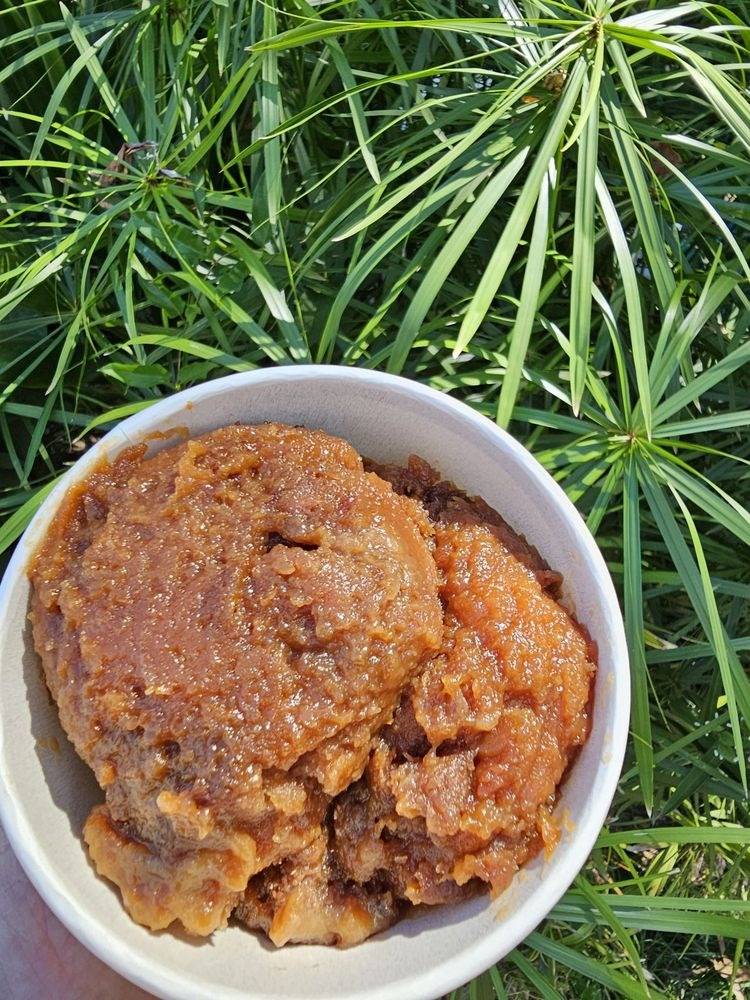
If you only try one thing beyond haupia, let it be Kulolo. This is the absolute peak of Hawaiian confectionery. Made from a labor-intensive mixture of grated raw kalo (taro), fresh-pressed coconut milk, and either raw honey or sugar, this mixture is traditionally wrapped in ti leaves and steamed for hours—sometimes up to 24 hours in a traditional underground oven (imu).
- The Texture: Fudgy, chewy, and incredibly dense. It has a bite similar to a thick brownie but with a unique, starchy "pull."
- The Taste: A deep, smoky caramel flavor with the earthy, nutty undertone of taro.
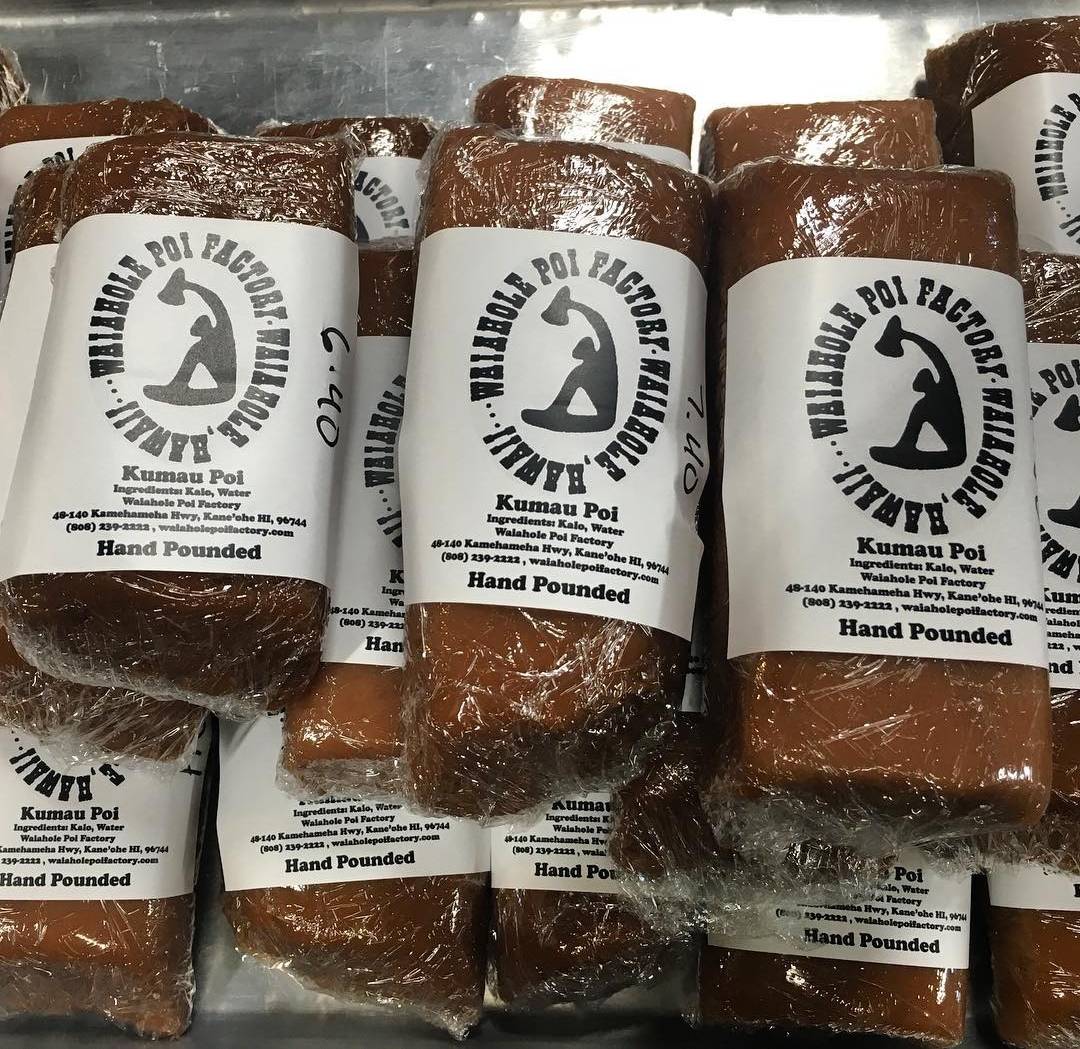
- At the Factory: We are famous for our hand-pounded poi and our slow-steamed kulolo, which serves as the warm, fudgy base for our most requested signature treats.
2. Ko‘ele Pālau: The Original Sweet Potato Pudding
This is a traditional dish made from mashed ‘uala (Hawaiian sweet potato) mixed with fresh coconut milk. Unlike the fluffy, airy sweet potato dishes found on the mainland, Ko‘ele Pālau is thick, smooth, and heavy, highlighting the vibrant purple or orange hues of local island potatoes. Historically, this was a high-energy food used by travelers and warriors. Today, it remains a comforting staple that bridges the gap between a side dish and a dessert.
3. Po‘e: The Fruit-Forward Tradition
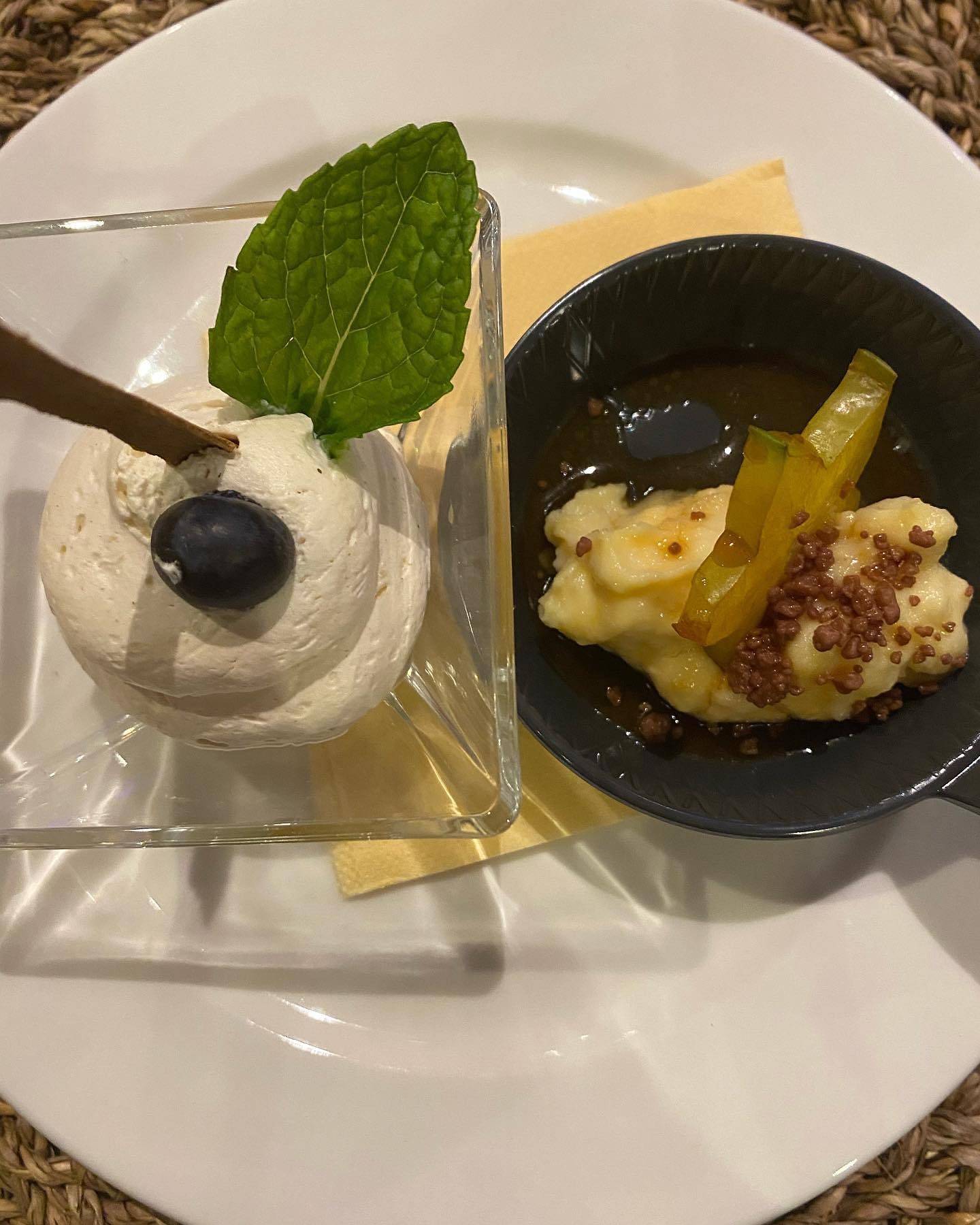
Popular across all of Polynesia, including Hawai‘i, Po‘e is a fruit-based pudding. Usually made from overripe bananas, papayas, or pumpkin, the fruit is mashed and mixed with a bit of starch (like arrowroot) then baked. It has a unique, jelly-like consistency and is traditionally topped with a drizzle of fresh, unsweetened coconut cream. At our Country Store, we take pride in these fruit-forward traditions that celebrate the seasonal harvests of the valley.
The Modern Legend: The Sweet Lady of Waiahole
While many desserts on this list date back centuries, the Sweet Lady of Waiahole is our modern contribution to the long legacy of Hawaiian sweets. This dessert has become a cultural phenomenon on the Windward Coast because it combines two traditional elements to create a sensory experience that is entirely new.
- The Warm: A generous, steaming portion of our 24-hour steamed, fudgy kulolo.
- The Cold: A cold, creamy scoop of our specialty haupia (coconut) ice cream.
As the cold ice cream begins to melt over the hot taro, it creates a rich coconut glaze that seeps into the chewy fibers of the kulolo. This temperature contrast is why people drive from all over Oahu to our historic location. It is a "must-try" that perfectly encapsulates the evolution of Hawaiian food.
Hawaiian Dessert Comparison Table: Choosing Your Sweet
The "Sweet Tooth" Selection Tool
Not sure which traditional dessert matches your palate today? Answer these 3 questions to find your perfect Hawaiian treat!
1. I prefer flavors that are:
- Light and refreshing after a heavy meal. (Target: Haupia)
- Rich, dark, and deep like molasses. (Target: Kulolo)
- Naturally sweet and fruity. (Target: Po‘e)
- A decadent mix of hot and cold. (Target: The Sweet Lady)
2. My ideal "Mouthfeel" is:
- Smooth and jiggly. (Target: Haupia)
- Thick and chewy like a fudge brownie. (Target: Kulolo)
- Soft, spoonable, and comforting. (Target: Ko‘ele Pālau)
3. How much do you like Coconut?
- It should be the main flavor! (Target: Haupia)
- I like it as a creamy accent. (Target: Kulolo or Sweet Lady)
The Expert Verdict: If you want the ultimate "Grand Tour" of Hawaiian sweets, we recommend the Kanaka Nui Plate which includes a slice of haupia, followed by a Sweet Lady to share with a friend!
Why Tradition Matters in Every Bite
In modern tourist bakeries, you might find "taro flavored" cakes or "coconut" donuts, but these often rely on artificial purple dyes and chemical extracts. At Waiahole Poi Factory, our desserts are an extension of our core mission: to preserve and share the authentic stories of our homeland. Using real, locally grown kalo from Windward farmers and fresh-pressed coconut milk ensures that you are tasting Hawaii as it was meant to be tasted—natural, unhurried, and full of mana (spiritual power).

FAQ: Mastering Traditional Hawaiian Sweets
1. Is Kulolo gluten-free? Yes! Authentic kulolo is made strictly from taro, coconut milk, and a sweetener, making it naturally gluten-free and a perfect alternative for those who avoid wheat-based pastries.
2. Can I take these desserts back to the mainland? Absolutely. We sell blocks of fresh kulolo and pre-cut squares of haupia. If you are flying, ensure they are well-wrapped. Since they are cooked/processed, they generally pass USDA inspections for travel from Hawaii to the US mainland.
3. What makes the "Sweet Lady" different from regular ice cream? It is all about the temperature and the base! Regular ice cream is served in a cone or bowl; the Sweet Lady is served on top of a hot, 24-hour steamed taro pudding. The warmth of the kulolo changes the way you experience the coconut ice cream.
4. Is haupia considered a dairy product? Traditional haupia is dairy-free (vegan), as it is made from coconut milk and starch. However, please note that our "Sweet Lady" uses haupia ice cream, which does contain dairy.
5. How should I store Kulolo at home? Kulolo stays fresh at room temperature for about 2 days. For longer storage, keep it in the fridge for up to a week. To enjoy it "Factory Style," microwave a slice for 10-15 seconds to bring back that gooey, fudgy texture.
6. Where can I find these desserts in Kaneohe? You can find our full range at our historic Waiahole Valley location and our Windward Mall location.
7. Why is the kulolo dark brown if taro is usually purple? The deep mahogany color comes from the extreme length of the steaming process. As the coconut milk and sugar cook with the taro over 12-24 hours, they undergo a "Maillard reaction" and caramelize, resulting in that rich brown color.
Experience the Sweet Side of the Valley
Don't stop at the main course. Join us at Waiahole Poi Factory and discover why our traditional desserts have been staples of the Hawaiian diet for centuries. Whether it's the silky finish of haupia or the fudgy depth of our famous kulolo, we have a piece of history waiting for you.
Satisfy your craving: