
Finding the island with the most authentic Hawaiian flavors means looking past resort buffets and tourist luaus. It means tasting hand-pounded poi made from local taro, kalua pig slow-cooked for hours, and laulau steamed the way families have prepared it for generations. Oahu stands out for its depth of traditional options, Native Hawaiian-owned spots, and living connections to the land. At the center of that experience sits Waiahole Poi Factory, a landmark in Waiahole Valley that has carried forward poi-making and luau-style cooking since its building rose in 1905.
This guide compares the islands with clear facts, explains what authenticity looks like on a plate, and shows how Waiahole Poi Factory delivers the dishes that define real Hawaiian food. Two locations on Oahu, dine-in and takeout, catering, and even food tours make it easy to taste the difference.
Which Hawaiian Island Has the Best Food?
Oahu wins for authentic Hawaiian cuisine and variety. The island hosts the largest concentration of restaurants serving traditional dishes and the highest share of Native Hawaiian-owned operations that keep pre-plantation recipes alive. Family-run places like Waiahole Poi Factory, operating from a building constructed as a poi factory in 1905, serve hand-pounded poi, laulau with pork and butterfish, kalua pig smoked for twelve hours, and kulolo steamed for twenty-four hours. These are the same preparations found at a traditional luau, not shortcuts made for speed.
Other islands excel in different ways. Maui shines with farm-to-table and upscale dining that highlights Upcountry produce and fresh seafood. The Big Island leads in unique agricultural products such as Kona coffee and macadamia nuts. Kauai offers fresh, laid-back meals with strong taro and fish options from its smaller population. Molokai remains the most culturally traditional but has limited restaurant infrastructure. Lanai is almost entirely resort-focused. For travelers whose priority is traditional Hawaiian dishes prepared with time-honored methods, Oahu provides the deepest selection and the clearest path to places that cook for locals first.
Authenticity rests on three pillars: Native Hawaiian ownership or deep cultural connection, locally sourced ingredients (especially taro from valleys like Waiahole), and preparation methods that refuse modern shortcuts. A restaurant that has been family-operated across generations signals it cooks for the community, not transient visitors. Sourcing kalo from Hawaiian farms and pounding poi by hand produces the slightly tangy, silky texture that machine-processed or frozen versions lack. These details turn a meal into a cultural experience.
Oahu vs. Maui vs. Big Island vs. Kauai: Food Scene Breakdown
Oahu: Local Classics and Living Tradition
Oahu holds the densest collection of Native Hawaiian-owned restaurants and the widest range of traditional plate-lunch options. Neighborhoods and valleys such as Waiahole still support the agricultural presence that once fed the islands. At Waiahole Poi Factory the original 1905 building first processed taro from surrounding loʻi. After decades as a working factory, an art gallery under Charlene and Calvin Hoe, and an incubator kitchen, the family returned it to full-time Hawaiian food service in 2009. Today Liko Hoe and the next generation continue the work under the motto “Hānai i ka ʻai, hānai i ke aloha” – to nourish with food, to nourish with love.
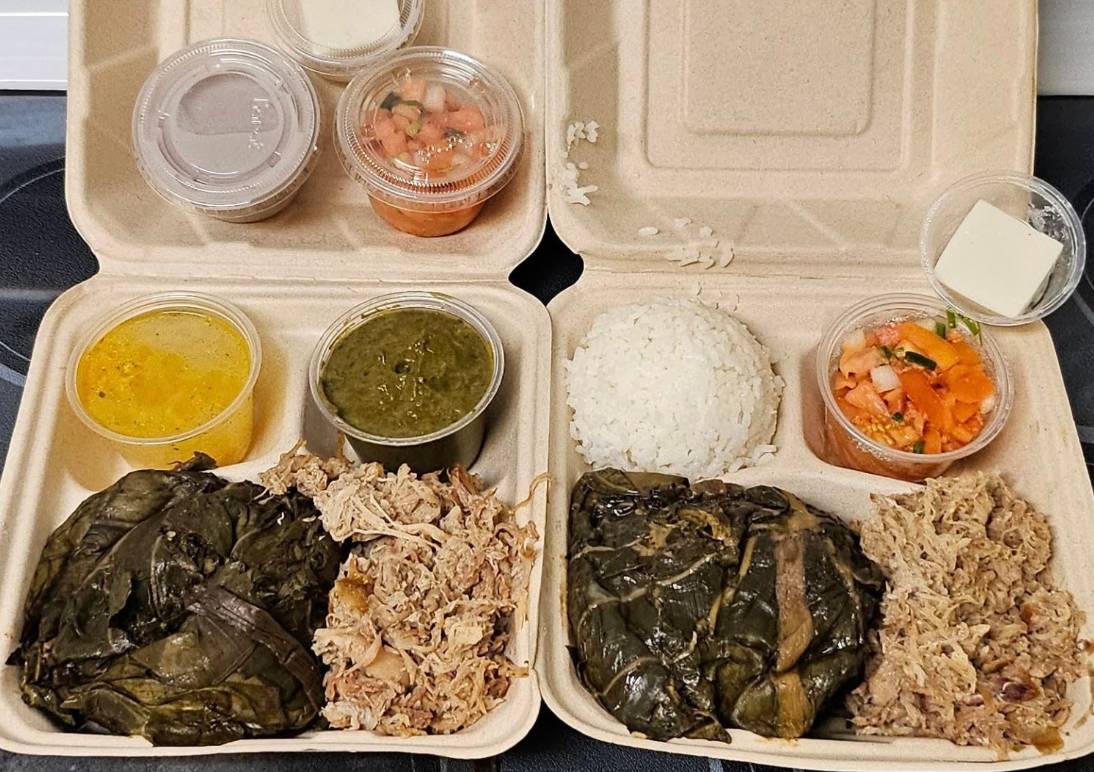
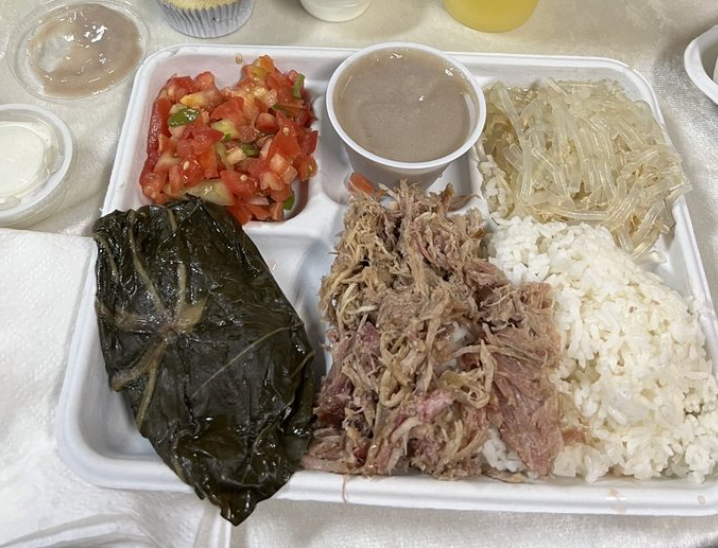
The menu focuses on luau-inspired plates: the Kanaka Nui (the works) with laulau, kalua pig, chicken long rice, choice of beef or squid luau, rice or poi, lomi salmon, and haupia; combo and single plates; and simple bowls. Sides include slow-cooked beef luau with taro leaves, squid luau in rich coconut milk, and hoʻio (fiddlehead fern) salad. Hand-pounded poi is made on-site; milled poi is also available. The signature dessert, Sweet Lady of Waiahole, pairs warm house-made kulolo with haupia ice cream.
Two locations serve Oahu: the historic Waiahole Valley site (48-140 Kamehameha Hwy, Kāneʻohe) open Monday and Wednesday–Sunday 10 a.m.–6 p.m., closed Tuesday, and the Windward Mall food-court location open seven days with extended evening hours. The original also houses a country store featuring local arts. Catering covers groups from 10 to 100-plus with 48-hour notice (longer for larger parties). Authentic Hawaiian food tours are now offered as well.
Maui: Farm-to-Table Strength
Maui’s strength lies in fresh produce and seafood elevated by skilled chefs. Upcountry farms supply many restaurants, and poke and fusion plates are excellent. Traditional Hawaiian dishes appear, yet the overall scene leans more toward resort and upscale dining than the dense network of century-rooted, family-run poi and laulau houses found on Oahu.
Big Island: Ingredients First
The Big Island produces the majority of Hawaii’s coffee and a large share of its macadamia nuts. Rural areas still practice traditional cooking, but the restaurant count is smaller. Specialty ingredients shine; classic plate-lunch variety is more limited.
Kauai: Fresh and Unhurried
Kauai delivers high-quality taro dishes and fish with a relaxed pace. Farmers markets are strong. The smaller population simply means fewer total options, so variety narrows quickly compared with Oahu.
What Are the Must-Try Traditional Hawaiian Dishes?
These dishes form the core of an authentic meal. Waiahole Poi Factory prepares each one with the time and care the recipes demand.
- Laulau: Generous pork and a touch of butterfish wrapped in taro leaves and steamed until the greens turn silky and the meat becomes buttery soft. Available as a single item or on plates.
- Kalua Pig: Pork butt slow-cooked and smoked for twelve hours, then shredded and seasoned only with Hawaiian sea salt. Fall-apart tenderness without heavy sauce.
- Hand-Pounded Poi: Steamed taro root pounded (or milled) and mixed with water to a smooth, slightly tangy consistency. Fresh daily; the hand-pounded version carries the traditional texture and flavor that machine-only poi cannot match. Pair it with kalua pig or laulau.
- Squid Luau: Thinly sliced octopus simmered tender in creamy coconut milk with slowly cooked taro leaves and Hawaiian salt. A local favorite at gatherings.
- Beef Luau: Braised beef chuck with onions, ginger, and taro leaves cooked until tender and deeply savory.
- Chicken Long Rice: Light chicken and glass noodles in a ginger-chicken broth – a clean counterpoint to the richer meats.
- Lomi Salmon: Diced tomatoes, onion, green onion, and salt-cured salmon – the essential bright, salty side.
- Kulolo: Taro root, coconut milk, and sugar steamed for twenty-four hours into a dense, caramelized, fudge-like dessert. The foundation of the Sweet Lady of Waiahole when topped with haupia ice cream.
- Haupia: Light coconut custard that finishes every plate.
These items appear across the menu in plates, bowls, and sides, and scale up for catering. Everything draws from the food served at traditional Hawaiian luaus and uses ingredients that support local farmers.
How to Experience Authentic Hawaiian Food (Not Just Tourist Traps)
- Look for longevity and family continuity. A building and recipes rooted in 1905, revived by the same family across generations, signals cooking for the community rather than seasonal visitors.
- Ask about preparation. Hand-pounded poi takes dedicated time. Kulolo steams for a full day. Kalua pig cooks twelve hours. If the kitchen cannot explain the method, shortcuts are likely.
- Prioritize Native Hawaiian ownership and local sourcing. Places that keep agricultural ties to valleys like Waiahole and buy from Hawaiian farmers deliver the flavors the land intended.
- Skip the high-priced resort luau. Family-style plates or catering from a traditional kitchen feed a group for far less and taste like home cooking instead of steam-table food held under heat lamps.
- Visit both convenient and historic locations. Windward Mall offers extended hours seven days a week. The original Waiahole Valley site lets you see the historic structure, outdoor seating, and the country store while tasting poi made on the same grounds that processed taro for decades.
Taste Tradition at Waiahole Poi Factory
Oahu offers the richest landscape for authentic Hawaiian food because it still holds the densest network of Native Hawaiian-owned kitchens that refuse to dilute the recipes. Waiahole Poi Factory sits at the heart of that landscape. From the 1905 poi factory building in Waiahole Valley to the Windward Mall location, the family continues the work of Charlene and Calvin Hoe and the current generation: hand-pounded and milled poi, twelve-hour kalua pig, steamed laulau, twenty-four-hour kulolo, and every plate finished with lomi salmon and haupia.
Order a single plate, a combo, or the full Kanaka Nui. Take home a pound of poi or kulolo when available. Book catering for gatherings of ten to more than one hundred. Join a food tour. Support the farmers who grow the taro that makes the poi possible. The motto is simple and lived every day: nourish with food, nourish with love.
Visit either location, view the current menu, or place an order online. The flavors of genuine Hawaii are waiting.