
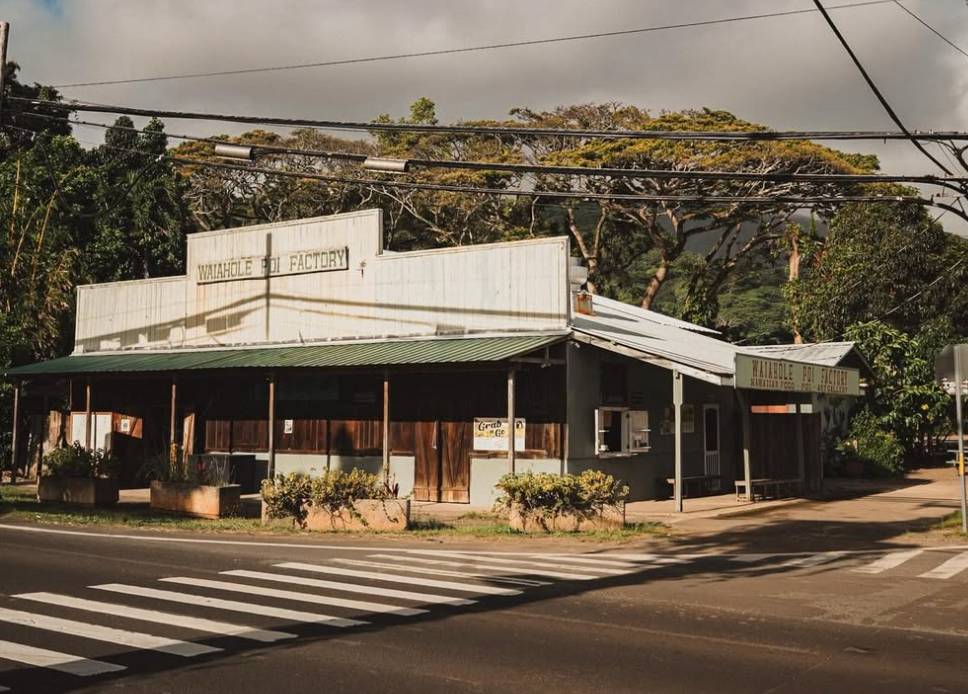
Hawaii imports 85–90% of its food supply. Truly local cuisine is rare and precious. The difference between authentic Hawaiian food and tourist fare is not just quality. It is cultural preservation, traditional methods passed through generations, and ingredients grown in the valleys where these recipes were born. This guide shows what makes local food authentic, which dishes define the cuisine, and why Waiahole Poi Factory stands as one of the places locals trust.
What Makes Hawaiian Local Food Authentic
In Hawaii, “local food” carries two intertwined traditions. Native Hawaiian staples—poi, kālua pig, laulau—date back more than a thousand years and hold deep spiritual meaning. Plantation-era fusion dishes arose between 1852 and 1946 when immigrant laborers from Japan, the Philippines, Portugal, and China shared meals and techniques, creating the plate lunch culture that defines modern Hawaiian eating.
Authenticity appears in preparation and sourcing. Hand-pounded poi takes time and yields a silkier texture than machine processing. Kūlolo steamed for many hours develops flavors that cannot be rushed. Ingredients matter equally. Taro grown in Waiahole Valley carries a distinct character shaped by the valley’s soil and water from the Koʻolau Mountains.
Look for places with deep roots and family continuity. Waiahole Poi Factory was originally constructed in 1905 as a working poi factory. It operated for decades before the Hoe family acquired the lease in 1971. They briefly ran it as a Native Hawaiian art gallery, then as an incubator kitchen for local families. In 2009 the family returned it fully to homemade Hawaiian food and hand-pounded poi. Today Liko Hoe continues the work under the motto “Hānai i ka ʻai, hānai i ke aloha”—to nourish with food, to nourish with love. Native Hawaiians own a small percentage of food businesses in the state. Establishments that keep traditional methods alive therefore matter for cultural survival as much as for good eating.
Essential Hawaiian Local Foods You Must Try
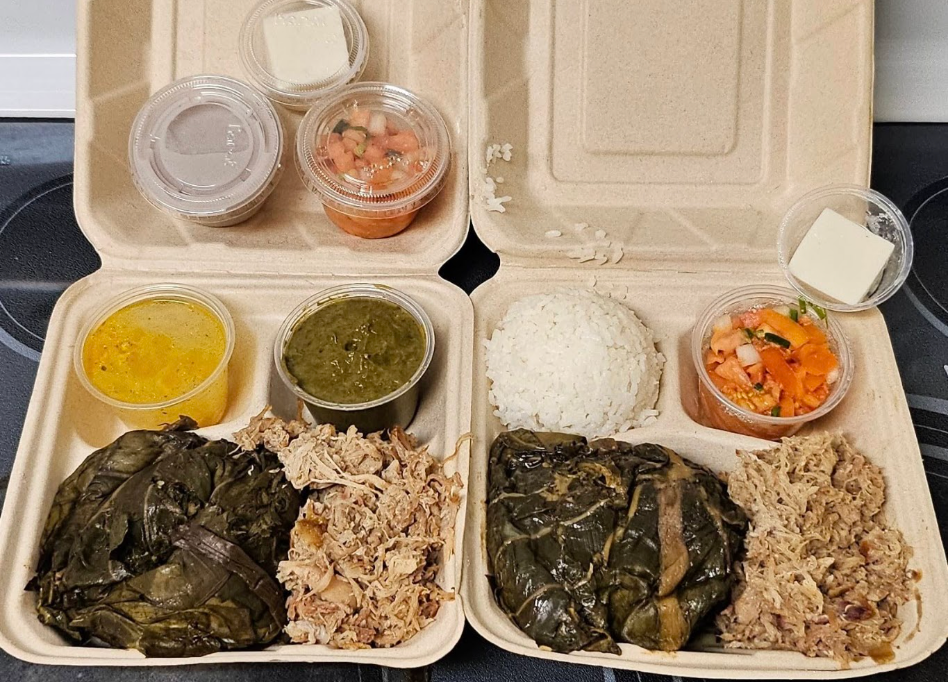
Poi is the foundation. Made from steamed and pounded taro (kalo), it was the primary carbohydrate for Native Hawaiians for over a thousand years. Fresh poi has a mild, slightly sweet earthiness. Consistency is often described by how many fingers it takes to scoop—thicker “one-finger” or thinner “two-finger.” At Waiahole Poi Factory, poi is made daily from local taro and offered as a side or as the starch choice on plates. Many regulars mix a little with kālua pig or laulau.
Kālua pig and laulau rely on slow cooking. The factory’s kālua pig is pork butt smoked and cooked for twelve hours until it falls apart, then shredded and seasoned with Hawaiian sea salt. Laulau wraps generous pork and a touch of butterfish in taro leaves and steams it until tender and rich. Fewer commercial kitchens still honor these time-intensive methods.
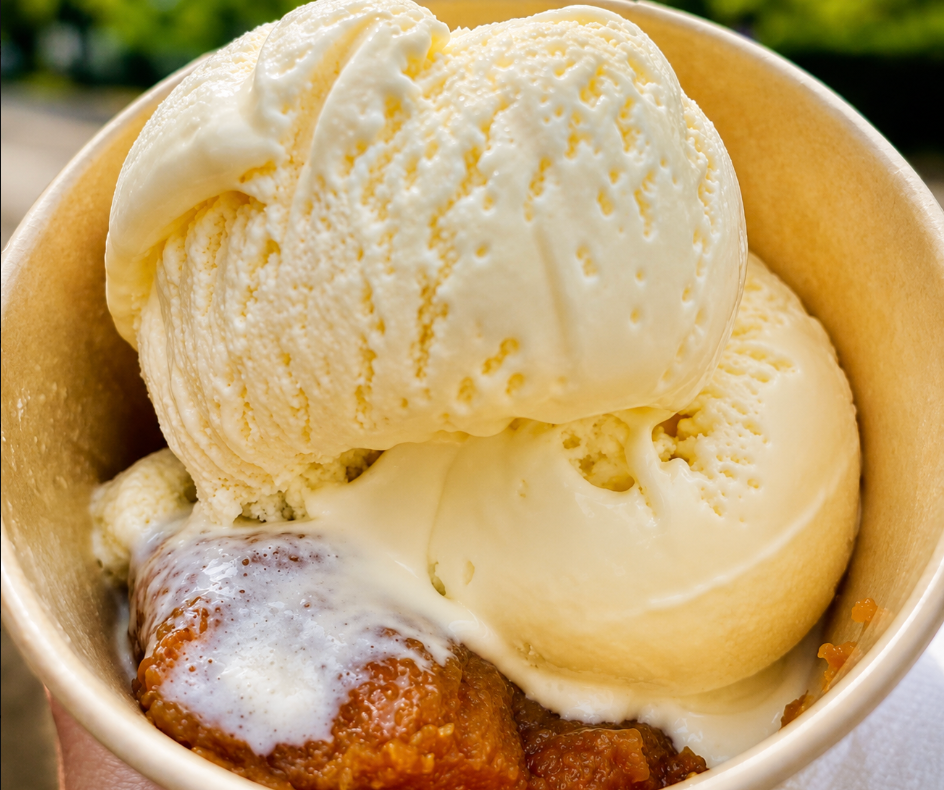
For dessert, kūlolo reveals standards. This dense, chewy taro-and-coconut pudding is steamed for twenty-four hours to develop its caramelized sweetness and fudgy texture. Haupia, the light coconut pudding, should be firm enough to slice yet melt on the tongue. Waiahole’s signature Sweet Lady of Waiahole places warm house-made kūlolo under a scoop (or two) of creamy haupia ice cream. The contrast of hot and cold has become one of the most ordered items on the menu. A Tahitian Sweet Lady variation uses warm banana poʻe instead.
Plate lunch staples such as chicken long rice, beef lūʻau, and squid lūʻau round out the offerings. These dishes reflect both Native Hawaiian and plantation-era influences while remaining grounded in local ingredients.
Where to Find the Best Local Food in Hawaii
Windward Oahu, especially around Waiahole Valley, concentrates authentic operations. The valley’s agricultural setting supplies taro and other ingredients grown close to the kitchen. Waiahole Poi Factory operates two locations: the historic original at 48-140 Kamehameha Highway in Waiahole Valley (with the Country Store) and a convenient spot in the Windward Mall food court. The original site keeps the feel of a working valley kitchen; the mall location offers extended hours, including Tuesdays when the valley site is closed.
When searching for a “food factory near me” in Hawaii, understand the term differently than on the mainland. Here it often means a small-scale production kitchen focused on a few things done exceptionally well. Waiahole’s menu stays focused on traditional Hawaiian plates rather than an exhaustive list of mainland adaptations.
Hours reflect local patterns. The original location is open Monday and Wednesday–Sunday 10 a.m.–6 p.m. (closed Tuesday). The mall location runs longer, often until 8 or 9 p.m. and seven days a week. Many authentic spots prefer cash or simple payment systems and may sell out popular items. Portions are generous and priced for everyday eating rather than tourist markups.
How Local Ingredients Shape Hawaiian Cuisine
Waiahole Valley and similar agricultural regions produce ingredients with distinct character. Taro grown in valley soil fed by mountain streams develops different starch content and flavor than varieties grown elsewhere. That difference shows up clearly in the texture and taste of the poi.
Every restaurant that sources locally supports the farms keeping agricultural land in production. Spending at locally owned businesses recirculates more money in the community than spending at chains. Freshness changes everything: poi made from recent harvests ferments and tastes differently from poi made from long-stored taro. Locals notice these details and return to the places that get them right.
Waiahole Poi Factory emphasizes supporting local farmers and using fresh, sustainable ingredients from Hawaiʻi. The kitchen’s focus on traditional preparation keeps the connection between land and plate visible.
What to Order at Waiahole Poi Factory
Start with poi. Ask how it is made and where the taro comes from. Staff at places that pound or mill their own will answer with specifics. Then build a plate.
The menu is straightforward and generous:
Entrée choices include kālua pig, laulau, beef lūʻau (braised beef with taro leaves), squid lūʻau (octopus in creamy coconut milk with taro leaves), and chicken long rice. Sides of extra poi, lomi salmon, hoʻio salad (fern salad), or additional protein are available. Desserts center on the Sweet Lady of Waiahole, plain kūlolo by the scoop or pound, and haupia ice cream. Drinks at the original location include house-made limeade, mamaki tea, and traditional ʻawa.
Pro tip: choose poi instead of rice for the most traditional experience. Many regulars mix a little poi with their meat. Do not eat the outer ti leaf on the laulau—unwrap it and enjoy the pork, butterfish, and inner taro leaves. Save room for the Sweet Lady.
The factory also offers catering and has begun authentic Hawaiian food tours, giving visitors a deeper look at the traditions behind the plates.
Local Food Etiquette and Cultural Respect
Poi etiquette matters in traditional settings. When sharing from a communal bowl, use one or two fingers according to consistency and never double-dip. Do not waste poi. In Hawaiian culture taro is regarded as the elder sibling of humanity and deserves respect. If you are unsure, order a small portion.
Approach the food as cultural education rather than exotic novelty. Many authentic spots are family-run with thin margins. Tip well, be patient during busy periods, and understand that limited hours or occasional sell-outs mean the kitchen cooks in small batches. Supporting Native Hawaiian–led and multi-generational businesses directly supports cultural continuity.
Planning Your Local Food Experience
Timing matters. Check current hours before you go—the original location is closed Tuesdays, while the Windward Mall location stays open. Arrive earlier in the day for the fullest selection. A Windward Oahu day easily combines Waiahole Poi Factory with nearby valley views, Kualoa, or Heʻeia State Park. The food exists where the ingredients are grown, not only in resort corridors.
Budget expectations remain modest: generous plates in the mid-teens to high twenties, sides and desserts less. You will often spend less at the best local spots than at tourist-oriented restaurants charging more for lesser versions of the same dishes. Seating is casual or takeout-focused; the priority is the food and the aloha that comes with it.
Visit during quieter times if you want to ask about preparation methods or family history. The staff are proud of the continuity and happy to share with visitors who show genuine interest. Order online for pickup when convenient, or stop by either location to experience the difference that valley-sourced ingredients and patient cooking make.
The best local food in Hawaii is found where families have cooked the same way for generations, using ingredients from the valleys and farms around them. At Waiahole Poi Factory that continuity stretches back to a 1905 poi factory building, revived by the Hoe family and still focused on handcrafted poi, slow-cooked meats, traditional sides, and desserts that honor kalo and coconut. Start with poi, ask questions, choose the plate that fits your appetite, and leave room for the Sweet Lady. Support the small operations that keep these food traditions alive.
Ready to experience authentic Hawaiian food?
Visit Waiahole Poi Factory in Waiahole Valley or at Windward Mall, view the current menu, or order online. Taste the difference that local ingredients, traditional methods, and more than a century of place make.