
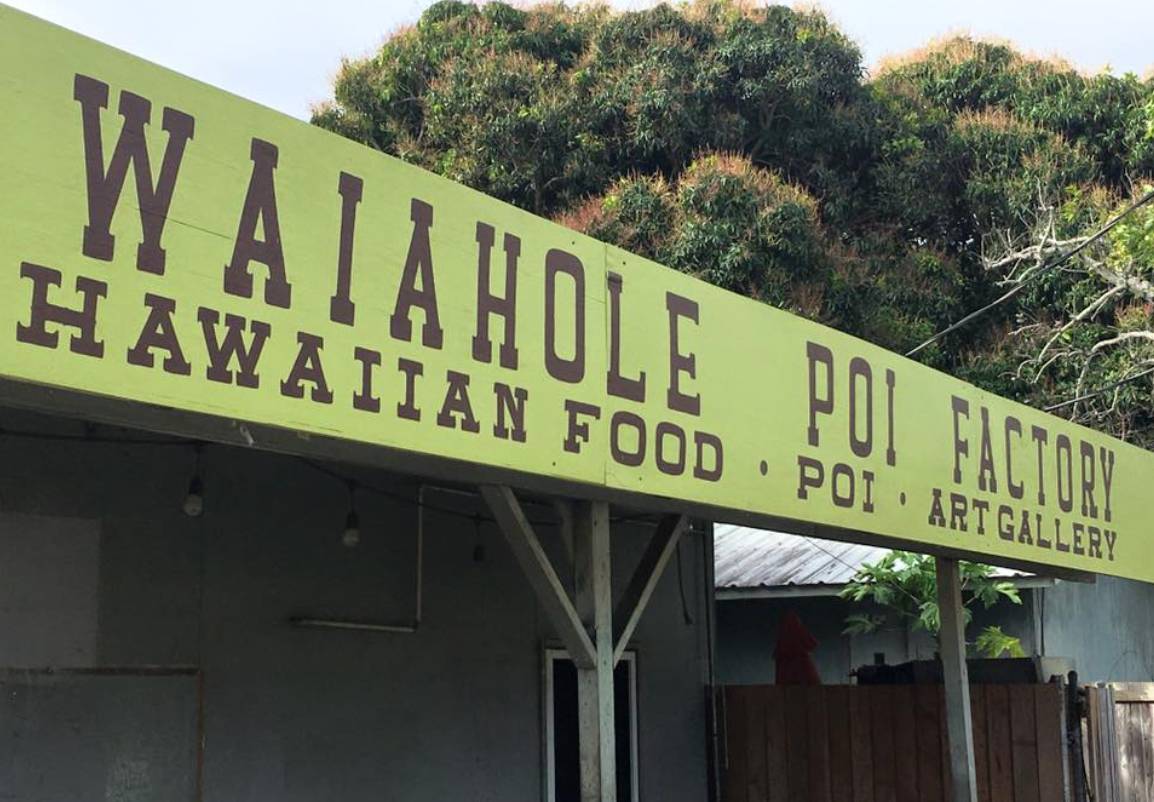
You haven’t truly experienced Hawaii until you’ve sat down with a poi bowl the way locals do. For more than a thousand years, poi—smooth, mildly sweet mashed taro root—has been the quiet foundation of Hawaiian meals, the starch that turns savory proteins and sides into a complete, balanced plate. At Waiahole Poi Factory, that tradition is not a performance for visitors. It is the daily practice of a family that has kept the craft alive in the same Waiahole Valley building since 1905, hand-pounding or milling fresh poi and serving it alongside kalua pig, laulau, squid luau, and the other dishes that define a real Hawaiian plate lunch.
This is comfort food rooted in place. The taro comes from the mineral-rich soils and mountain streams of Waiahole Valley. The recipes follow the same patterns found at a traditional luau. The motto that guides everything here—“Hānai i ka ʻai, hānai i ke aloha”—means to nourish with food and to nourish with love. When you order a poi bowl or plate, you are participating in a living practice that connects land, family, and table. Whether you are a first-time visitor or a kamaʻāina who has driven across the island for the real thing, the experience is the same: fresh poi, slow-cooked proteins, and the quiet satisfaction of eating the way people have eaten in these islands for generations.
A Century of Tradition in Every Scoop
The building that houses Waiahole Poi Factory was constructed around 1904–1905 as a working poi factory. For nearly seventy years it processed the abundant taro (kalo) grown in the surrounding lo‘i. In 1971 the Hoe family took over the lease. Calvin and Charlene Hoe first turned the space into a Native Hawaiian art gallery during the Hawaiian Renaissance. Later the kitchen was restored so families could process local foods. In 2009 the family returned the site fully to its roots, opening as a restaurant serving homemade Hawaiian plates and hand-pounded poi.
Today the operation is led by Liko Hoe and the next generation. Their motto, “Hānai i ka ‘ai, hānai i ke aloha” — nourish with food, nourish with aloha — guides every plate that leaves the window. Two locations now serve the community: the original historic site in Waiahole Valley and a convenient counter inside Windward Mall.
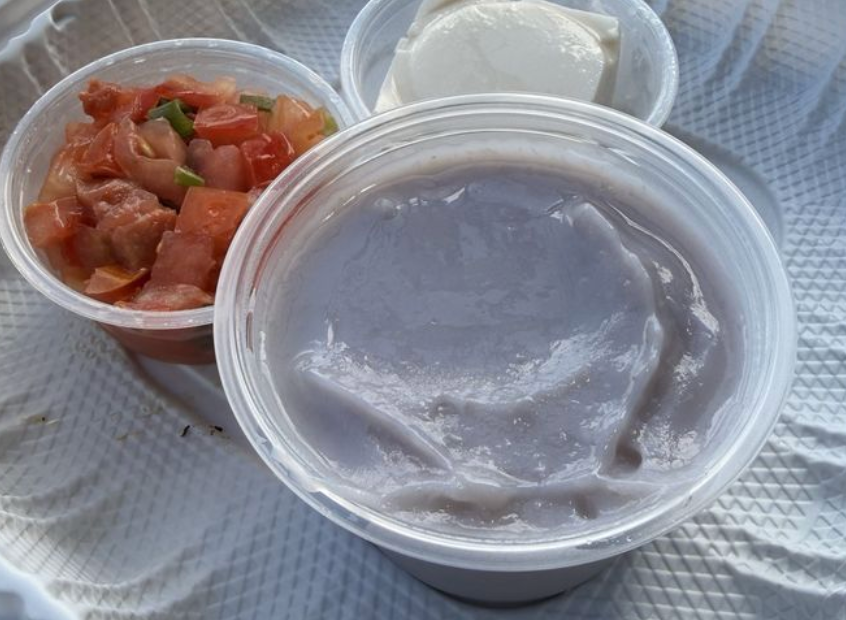
Poi is not a side dish in the Western sense. For more than a thousand years it has been the foundation of the Hawaiian meal, the neutral, slightly sweet starch that balances rich, savory foods the way rice or bread does in other cultures. Fresh poi, made the morning it is eaten, is mild, creamy, and naturally probiotic. Older, fermented poi develops a tang that some prefer, but the factory’s daily production is intentionally mild and approachable.
Taro itself holds sacred status. In traditional Hawaiian belief, kalo is the elder sibling of the Hawaiian people. Eating poi therefore connects the eater to ancestors, to the land, and to a continuous way of life. When you order a poi bowl or plate at Waiahole, you are participating in that living tradition rather than sampling a tourist reconstruction.
Why a Poi Bowl (or Plate) Matters
Many first-time visitors arrive hesitant. They have heard poi described as “paste-like” or “an acquired taste.” Those descriptions usually refer to day-old or older poi served alone. Fresh hand-pounded or milled poi, eaten with kalua pig, laulau, or lomi salmon, makes immediate sense. The mild starch softens the salt and richness of the proteins. Locals scoop a bit of poi, then a bite of meat or salad, letting the flavors meet on the tongue. Some mix everything together; others keep the components distinct. There is no single correct method—only the method that feels right once you taste it.
At Waiahole the poi is prepared on site. Hand-pounding (ku‘i kalo) uses the traditional stone pestle (pōhaku ku‘i ‘ai) and wooden board (papa ku‘i ‘ai). The rhythmic work produces a thicker, more elastic texture with subtle fiber. Milled poi is also available and offers a smoother consistency. Both start with steamed taro. Visitors often watch the pounding outside the original location, an open demonstration of a skill once practiced in every Hawaiian household.
How the Food Is Made — From Valley to Plate
Authenticity here is measured in daily work, not marketing language.
- Sourcing — Taro comes from farms that still grow in the Windward valleys and from trusted sources on other islands. The mineral-rich soil and mountain water shape the flavor of the finished poi.
- Preparation — Taro is steamed, peeled, and either hand-pounded or milled, then mixed with water to the desired consistency. Poi is made fresh every day.
- Proteins and sides — Kalua pig is slow-cooked and smoked for hours until it shreds easily, then seasoned with Hawaiian sea salt. Laulau wraps pork and a touch of butterfish in taro leaves and steams it until tender. Beef lu‘au and squid lu‘au simmer meat or octopus with taro leaves and coconut milk. Chicken long rice floats in a light ginger-chicken broth. Lomi salmon is diced tomato, onion, and salt-cured salmon. Ho‘io salad offers a crisp fern option (shrimp can be omitted for a vegan version).
- Assembly — Plates and bowls are built to order so the poi and proteins arrive at their peak.
The result is Hawaiian comfort food that tastes like home to locals and like discovery to visitors.
What You Can Order — The Current Menu
Every plate is designed as a complete meal. Here is a clear breakdown of the main options available at both locations (prices and exact availability can vary; check the current menu for updates).
Entree choices include beef lu‘au, chicken long rice, kalua pig, laulau, and squid lu‘au. Sides are available à la carte for those who want to customize or take extra home. Poi itself can be purchased by the cup or in larger amounts (advance notice for bulk).
Desserts are not an afterthought. The signature Sweet Lady of Waiahole pairs warm, house-made kulolo (taro-coconut pudding steamed for twenty-four hours) with haupia ice cream. A Tahitian Sweet Lady version uses banana po‘e. Plain kulolo scoops and haupia ice cream are also offered.
Drinks at the original location include house-made limeade, mamaki tea (sweetened or unsweetened), traditional awa, and standard sodas and juices.
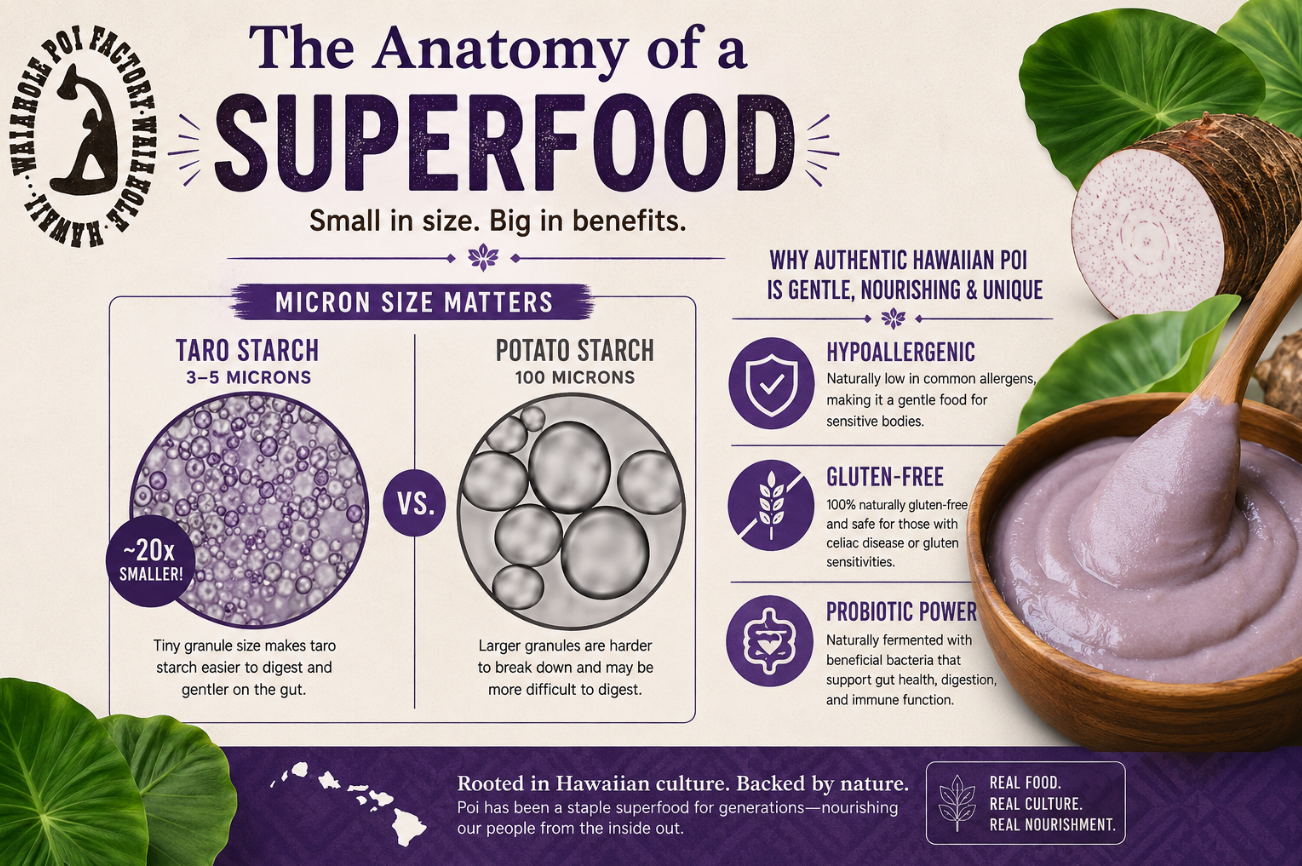
Poi is naturally gluten-free and free of common allergens for most people. Many proteins and sides can be adapted; staff will guide guests with dietary needs.
Catering and Special Occasions
Waiahole Poi Factory caters small company lunches (from about ten people) and large gatherings of one hundred or more. Advance notice of forty-eight hours is required for smaller events; larger parties need a week. The same hand-prepared dishes travel to weddings, family reunions, corporate luaus, and community celebrations across Oahu. Pans of kalua pig, laulau, lu‘au dishes, rice, ho‘io salad, and fresh poi are available in multiple sizes. Kulolo and haupia can finish the meal. A deposit and final payment schedule apply, and the team handles setup for full-service events.
The food also appears in authentic Hawaiian food tours that the factory now offers, giving visitors a deeper look at the process and the valley itself.
Real Stories from the Table
A poi plate does more than fill a stomach. It often becomes the center of conversation across generations. Locals drive from other parts of the island because the poi tastes the way their grandparents made it. Visitors who arrive skeptical leave planning a return visit with friends. Families celebrating birthdays or reunions choose the factory because the food carries memory rather than just flavor.
Frequently Asked Questions
What does fresh poi actually taste like?
Mild, slightly sweet, and creamy—closer to smooth mashed potato than to anything sour. The sour note develops only after a couple of days of fermentation. Waiahole serves it fresh daily.
How do locals eat a poi bowl or plate?
Scoop a little poi, then take a bite of kalua pig, laulau, or lomi salmon. The starch balances the salt and richness. Mixing or keeping components separate is personal preference. Staff will happily demonstrate for first-timers.
Is poi gluten-free and suitable for special diets?
Yes. Poi is naturally gluten-free, vegan, and one of the least allergenic starches. Many other items can be adjusted. Ask when ordering.
Where should a first-timer start?
A Single Plate with kalua pig or laulau and the poi option, or a Combo Plate for variety, gives a full introduction without overwhelming volume. The Kanaka Nui is ideal once you know you want everything.
Can I watch poi being made?
At the original Waiahole Valley location, hand-pounding often happens in view of customers. It is one of the few places on Oahu where the traditional method remains part of daily work.
Do you have a second location?
Yes. The Windward Mall food-court counter offers extended hours, including Tuesdays when the original site is closed, making authentic plates more accessible during the week.
Visit, Order, or Celebrate With Us
Waiahole Poi Factory continues a practice that began long before any of us were born. The same valley that once sent barrels of poi to families across the island still supplies the kalo. The same stone and board still shape the poi. The same family recipes still season the laulau and kalua pig. Whether you stop at the historic roadside building, order at the mall counter, take a plate home, or plan a larger gathering, you are eating food that carries both history and daily care.
Two locations serve the community:
- Historic Waiahole Valley: 48-140 Kamehameha Hwy, Kāne‘ohe, HI 96744 — (808) 239-2222
- Windward Mall Food Court: 46-056 Kamehameha Hwy, Kāne‘ohe
Hours vary by location; the original site is typically closed Tuesdays while the mall counter remains open. Check the website for current times, online ordering, catering requests, and food-tour bookings.
Come for the poi. Stay for the full plate. Leave with a clearer sense of what “Hawaiian food” has always meant.
Experience Hawaiian Tradition Today
Ready to taste the difference that hand-pounded poi and family recipes make? Order online for pickup, visit either location, view the full current menu, or contact the team to plan your next event with authentic Hawaiian plates and fresh poi. The factory has been part of Waiahole since 1905. The invitation is open every day the windows are open.