
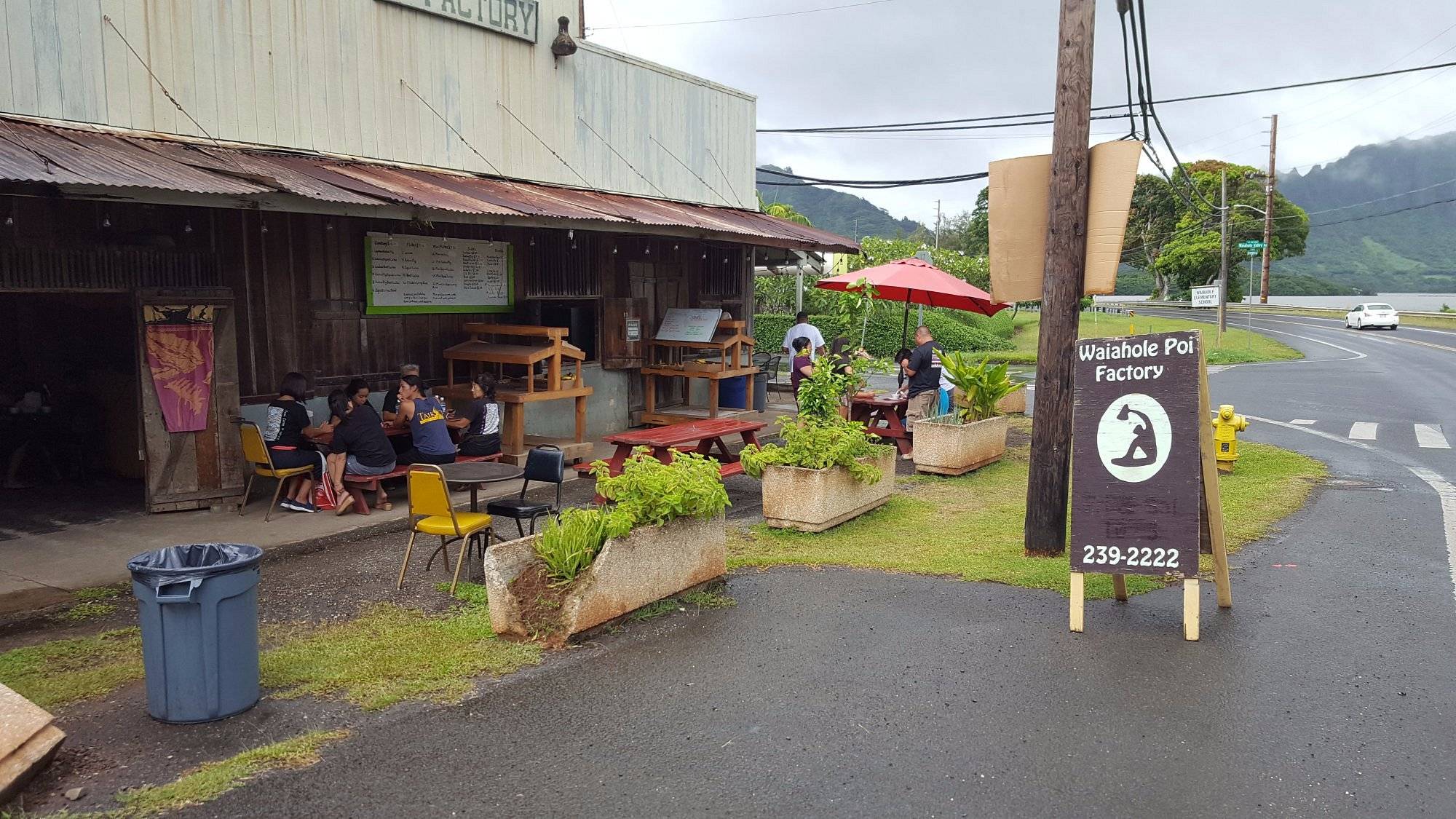
Searching for authentic Hawaiian food often leads to poke-bowl chains or Polynesian fusion spots that share little with the dishes rooted in kalo, imu cooking, and generations of knowledge. Traditional Hawaiian cuisine centers on hand-pounded poi, slow-cooked kalua pig, laulau steamed in taro leaves, and preparations that require time, place, and cultural connection. This guide explains how to recognize genuine Hawaiian food, what belongs on a true plate, and why a stop at Waiāhole Poi Factory in Waiahole Valley offers one of the clearest experiences of that tradition on Oahu.
What Separates Authentic Hawaiian Food from Fusion
Traditional Hawaiian food rests on a short list of core dishes prepared with specific methods. Poi is made from steamed kalo (taro) that is pounded or milled and mixed with water. Kalua pig is pork cooked low and slow until it falls apart, ideally with Hawaiian sea salt. Laulau wraps pork and a touch of butterfish in taro leaves and steams them until tender. Squid or beef lūʻau combines protein with cooked taro leaves and coconut milk. Lomi salmon brings salt-cured salmon with tomatoes and onion. These are not afterthoughts or seasonal specials; they form the center of the meal.
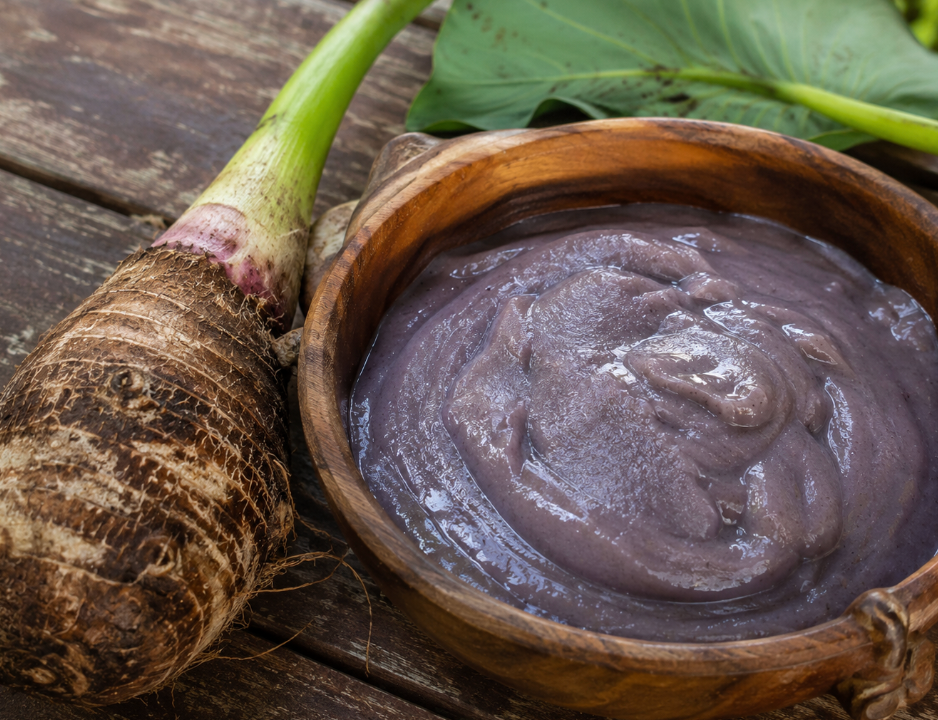
Fusion versions often replace these with sriracha mayo poke, teriyaki everything, or elaborate garnishes designed for photos. Spam musubi and certain local favorites reflect plantation-era blending of Japanese, Chinese, and other influences, but they are distinct from pre-contact Hawaiian cooking. An authentic kitchen shows commitment through process: poi made on site from local kalo, kalua pig smoked for many hours, and desserts such as kulolo that steam for a full day.
Family ownership and continuity matter. Waiāhole Poi Factory occupies a building constructed in 1905 that operated as a poi factory for decades. After a period as an art gallery and later an incubator kitchen, the Hoe family revived it in 2009 as a full-time Hawaiian food restaurant focused on hand-pounded poi and luau-style dishes. Owner Liko Hoe continues the work of supporting local farmers in the valley and serving food that reflects the motto “Hānai i ka ʻai, hānai i ke aloha”—to nourish with food, to nourish with love. That continuity is visible in every plate.
How Place Shapes the Food at Waiahole
Geography is not a marketing line here. Waiahole Valley has long been a taro-growing area. The factory sources kalo from local farmers in the valley, so the poi carries the mineral character of Windward soil and fresh water. Most commercial poi sold in Hawaiʻi is milled rather than hand-pounded; hand-pounding remains rare and labor-intensive. At Waiahole, visitors can often see the process and taste the difference—thicker, more complex, with a subtle sweetness that milled versions lack.
The original location sits at 48-140 Kamehameha Highway in Kāneʻohe. A second location operates in the Windward Mall food court with extended hours, including Tuesdays when the valley location is closed. Both serve the same core menu of plates built around traditional proteins. The valley site also houses the WPF Country Store with merchandise and products from other local makers, and the team offers Hawaiian food tours that connect the dishes to place and history.
Mainland restaurants face real constraints—higher ingredient costs, limited access to fresh taro leaves, and the absence of an imu tradition. Many rely on frozen products or smokers instead of traditional methods. Supporting a Hawaiʻi-based operation that still pounds poi and steams kulolo keeps those practices alive.
What Belongs on an Authentic Plate at Waiahole Poi Factory
A classic plate at Waiahole follows the format that evolved from plantation worker meals yet fills it with Native Hawaiian staples. Guests choose rice or poi, then select from kalua pig, laulau, chicken long rice, beef lūʻau, or squid lūʻau. Single plates, two-combo plates, and the full Kanaka Nui (“the works”) all include lomi salmon and a serving of haupia. Bowls offer a simpler rice-and-one-protein option.
Here is a clear comparison of the main plate options:
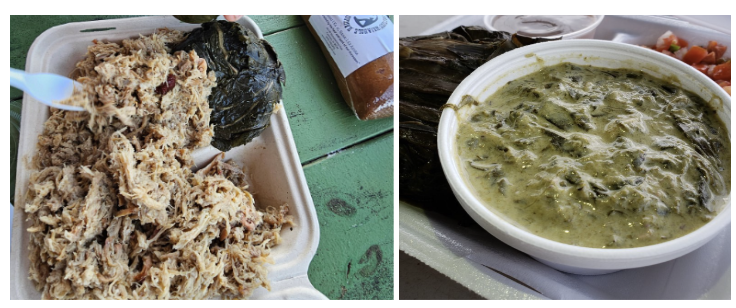
Kalua pig is pork butt smoked for twelve hours, then shredded and seasoned with Hawaiian sea salt. Laulau is generous pork and a touch of butterfish wrapped and steamed in taro leaves. Squid lūʻau features thinly sliced octopus made tender in coconut milk with slowly cooked taro leaves. Beef lūʻau braises chuck with onions, ginger, and taro leaves. Chicken long rice offers a lighter alternative of chicken and rice noodles in ginger broth.
Sides stand on their own as well: hoʻio (fiddlehead fern) salad with onion, tomato, and optional dried shrimp; extra poi or rice; and house-made limeade, mamaki tea, or traditional ʻawa at the original location. Desserts include haupia, kulolo (steamed twenty-four hours from taro, coconut milk, and sugar), and the signature Sweet Lady of Waiahole—warm house-made kulolo topped with haupia ice cream. A Tahitian Sweet Lady variation uses warm banana poʻe instead.
How to Evaluate Quality Before You Visit
Menus reveal priorities. Look for specific preparation notes—hand-pounded poi, twelve-hour smoked kalua pig, twenty-four-hour steamed kulolo—and the presence of laulau, lūʻau, and lomi salmon as regular offerings rather than tokens. Family history and local sourcing details signal seriousness. Generic fusion lists with multiple mayo-based poke bowls and little or no poi are different experiences.
Reviews from local diners often name dishes and note consistency or freshness. Photos of simple, unadorned plates match traditional service better than heavily styled presentations. At Waiahole the food arrives ready to share, portions are generous, and the setting remains straightforward—exactly as Hawaiian food has been served for generations.
Making Your First Order Count
Start with a combo or single plate that includes kalua pig and either laulau or squid lūʻau, plus a side of poi. Ask for the consistency you prefer; staff are used to questions and happy to explain. Eat poi with your fingers, scooping a small amount to balance the salt and richness of the meat. Pair it with lomi salmon for contrast. Save room for the Sweet Lady—the warm, sticky kulolo against cold haupia ice cream is a modern classic created at the factory and worth the trip alone.
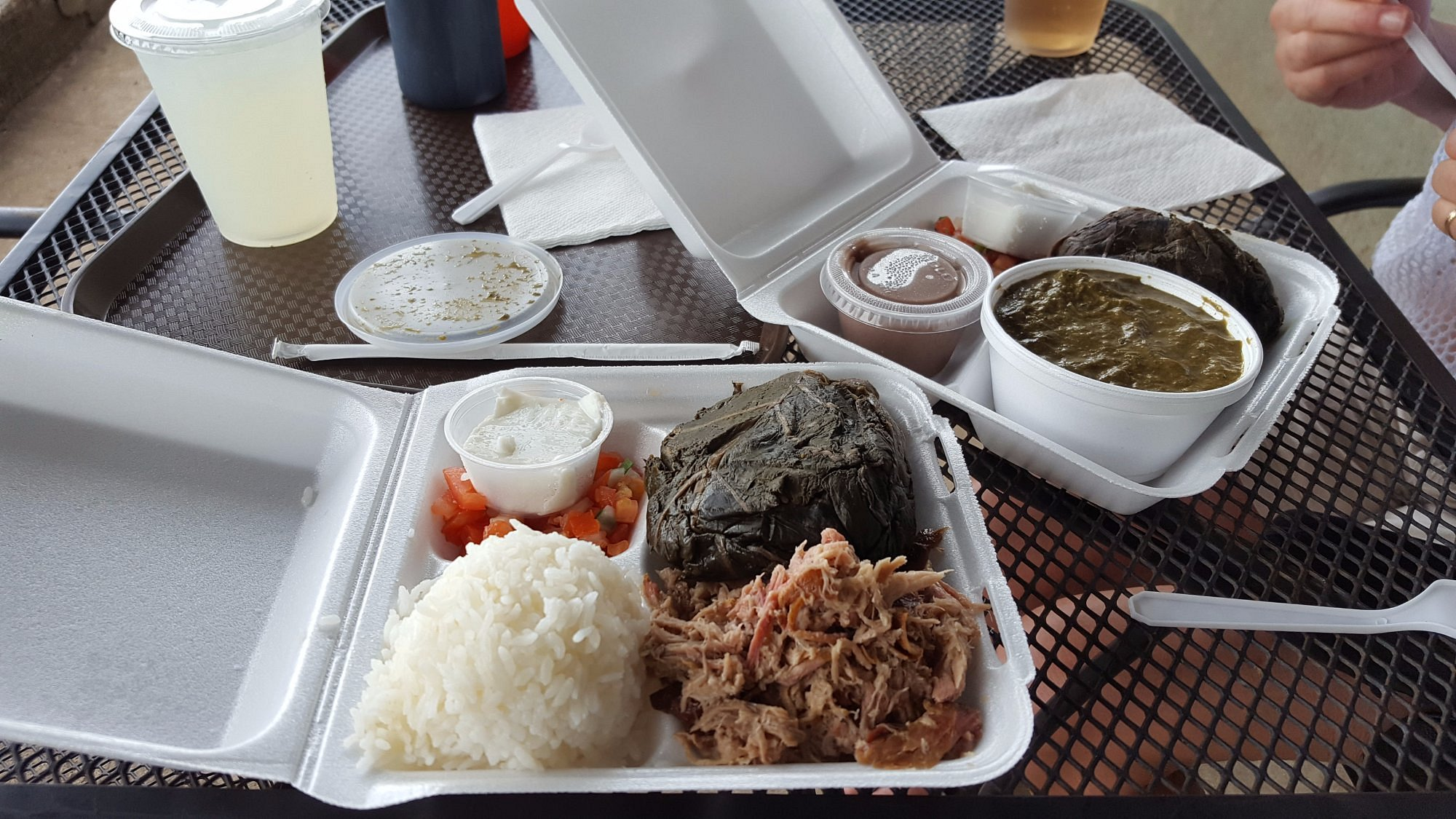
Family-style ordering works well. Many guests share multiple plates and add extra sides. Takeout is the norm at both locations; the valley site offers outdoor picnic tables with mountain views when weather allows. Online ordering is available for both the original Waiahole location and the Windward Mall counter.
When You Want the Real Thing
Authentic Hawaiian food is defined by process, ingredients tied to place, and recipes carried forward by people who treat them as living culture rather than menu trends. At Waiāhole Poi Factory that means kalo from the valley, poi pounded by hand, kalua pig smoked for hours, laulau and lūʻau prepared the traditional way, and a signature dessert that respects both old recipes and new taste. Two locations on the windward side of Oahu make it accessible whether you prefer the historic valley setting or the convenience of the mall.
Visit the original site at 48-140 Kamehameha Highway or the Windward Mall food court. Check current hours, order online for pickup, book a food tour, or inquire about catering. The plate that arrives will taste of the valley and of more than a century of continuous connection to Hawaiian foodways.