
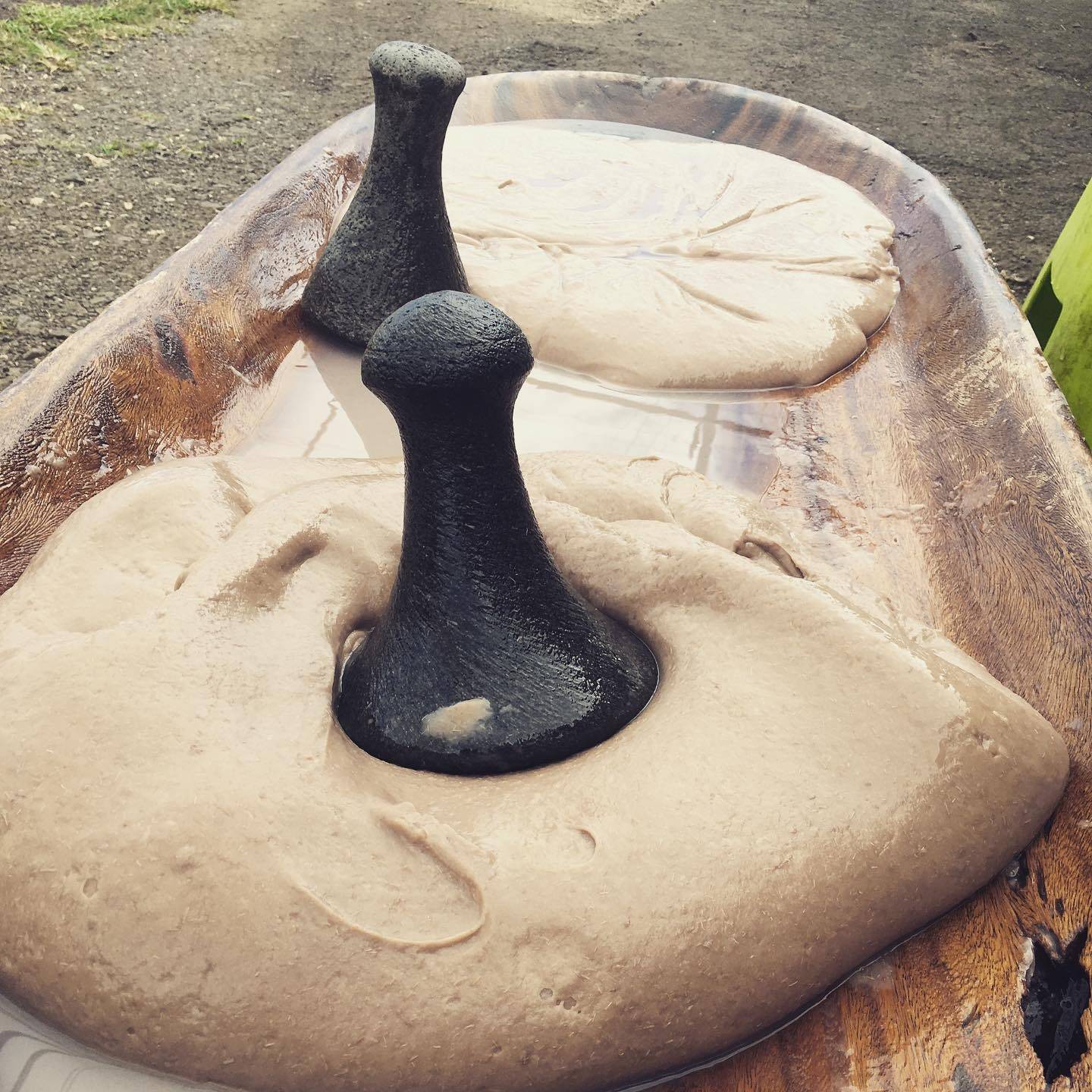
If you are new to Hawaiian cuisine, your first encounter with Poi might be a bit of a mystery. You see a smooth, purple bowl on your traditional Hawaiian plate, but as you listen to the locals around you, you’ll hear a heated debate: "Is the poi fresh today, or is it starting to get that good sour taste?"
In Hawai‘i, poi is a living food. Because it is a natural, fermented starch made from the kalo (taro) plant, its flavor profile evolves every single day. Choosing between Fresh Poi and Sour Poi is a rite of passage for any food lover. At Waiahole Poi Factory, we specialize in the traditional hand-pounded method, which allows these natural flavors to shine without the interference of industrial machinery.
In this expert guide, we will break down the science of fermentation, the distinct flavor differences, and help you decide which version belongs on your plate this weekend.
The Science of the Bowl: Why Does Poi Change?
To understand the difference, you first have to understand what poi is at its core. It is made by steaming the corm (root) of the taro plant and mashing it with water. Once it is prepared, the natural sugars in the taro begin a biological process of lacto-fermentation, similar to how yogurt, kimchi, or sourdough bread is made.
This transformation is driven by beneficial bacteria that exist naturally on the taro plant. As these organisms go to work, they convert starches into organic acids. This isn't just a change in taste; it's a change in the very molecular structure of the food.
- Fresh Poi: This is poi that has been made within the last 24 hours. It is at its peak sweetness because the fermentation hasn't truly begun yet. The starches remain intact, providing a smooth, creamy mouthfeel.
- Sour Poi: As the days pass, the natural "good bacteria" (lactobacillus) consume the sugars and produce lactic acid. This is what gives the poi its signature "zing" or tang. The longer it sits, the more the pH levels drop, increasing the acidity.
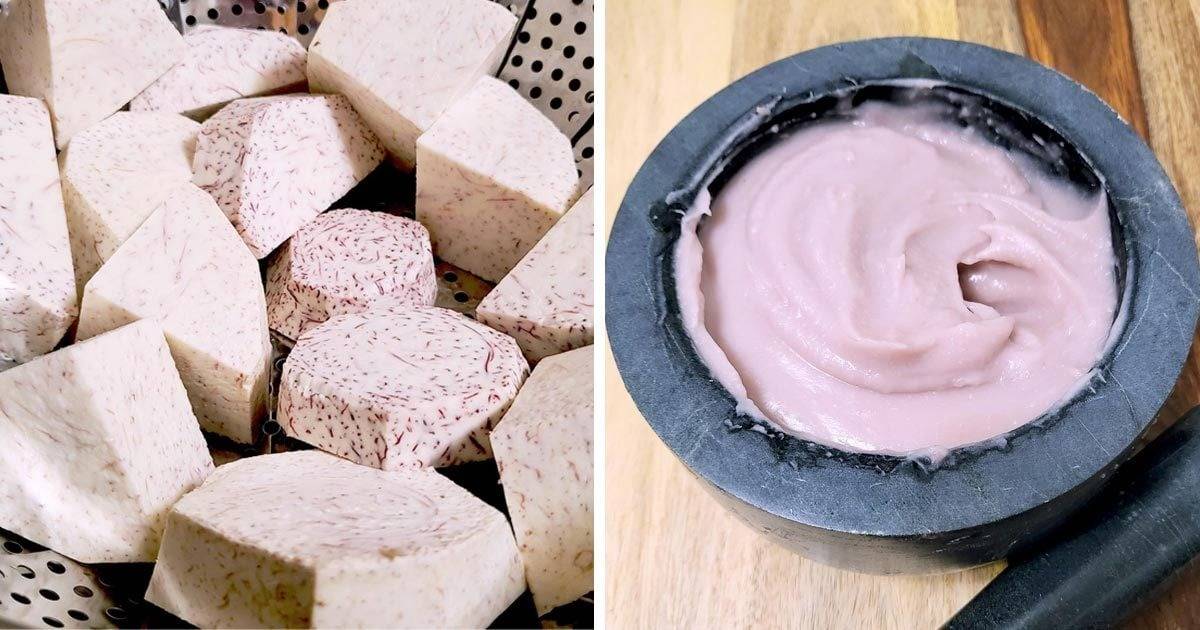
Image Source: https://www.tasteofhome.com/article/what-is-poi/
Fresh Poi: The Beginner’s Best Friend
If this is your first time trying poi, or if you are visiting the islands and want a gentle introduction to authentic Hawaiian food, we almost always recommend starting with Fresh Poi.
The Flavor Profile
Fresh poi is mild, earthy, and distinctly nutty. Many people describe the taste as being similar to a very mild, unsweetened sweet potato or a neutral starch like cream of wheat. It has a delicate, natural sweetness that comes directly from the taro root itself, rather than added sugars. Because it is hand-pounded, the texture is often thicker and more substantial than the "watered-down" versions found in supermarkets.
Best Pairings for Freshness
Because fresh poi is so mild, it acts as a perfect "blank canvas" for your meal.
- With Sugar: Some locals (especially kids) like to sprinkle a little sugar on fresh poi for a sweet treat that highlights the earthy taro notes.
- For Breakfast: It can even be thinned out with a little milk or water for a nutritious, gluten-free breakfast bowl.
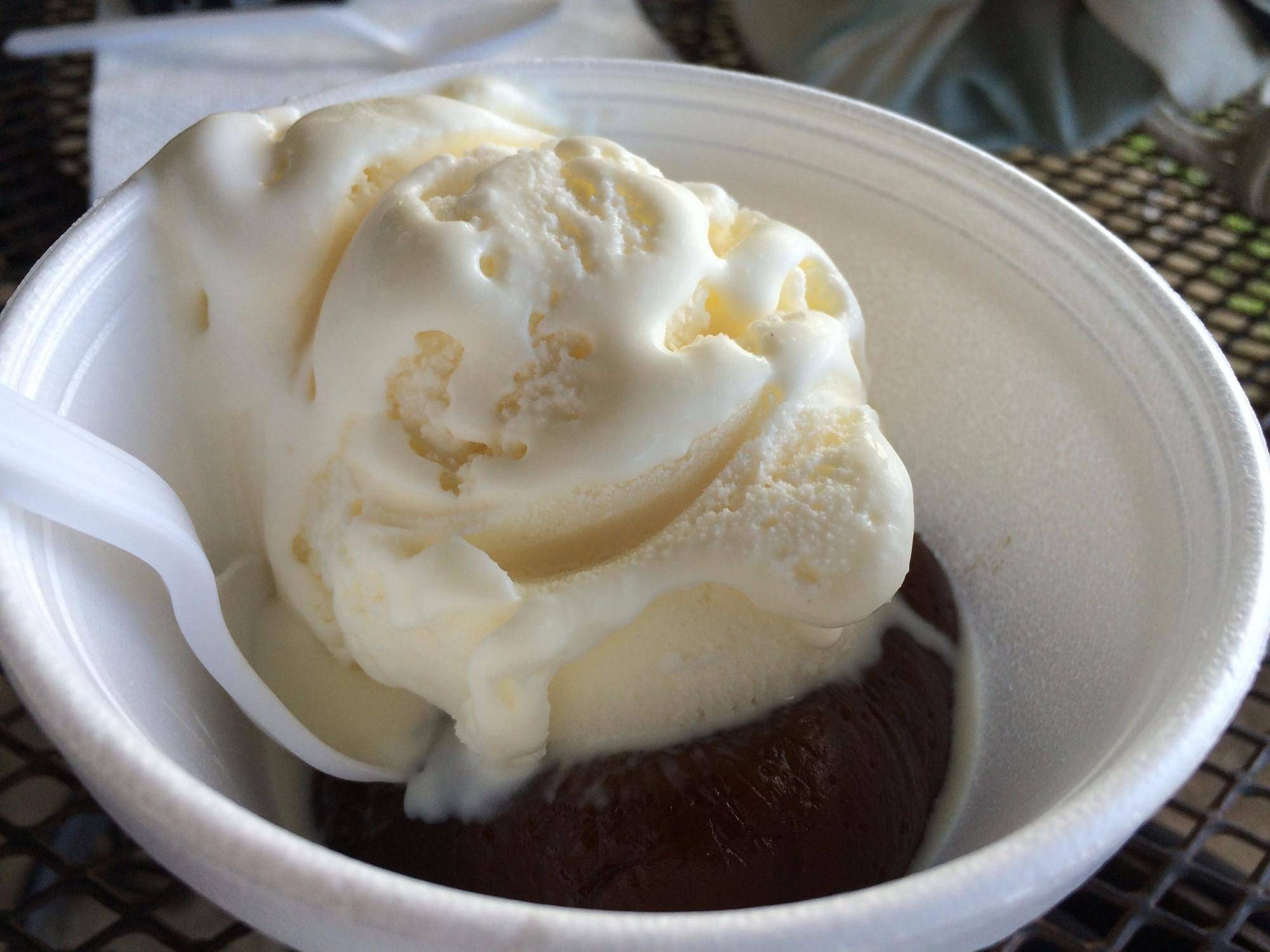
- The Dessert Match: Pair it with our Sweet Lady of Waiahole dessert. The sweetness of the haupia ice cream and warm kulolo creates a perfect harmony with fresh, sweet poi.
Sour Poi: The Choice of the Kama‘āina
Ask a "True Local" or a Kama‘āina, and they will likely tell you that poi isn't ready until it has sat for at least two or three days. For many, the "fresh stuff" is just the starting point—the real magic happens after the fermentation kicks in.
The Flavor Profile
Sour poi is tangy, sharp, and complex. As the fermentation progresses, the flavor deepens, becoming more acidic and "bright." It isn't "spoiled"—it is matured. The texture also changes slightly, often becoming a bit more elastic and "stretchy." To those who grew up in the valleys of Oahu, this tang is the hallmark of a high-quality meal.
Best Pairings for the Tang
Sour poi is functionally a palate cleanser. Its high acidity makes it the perfect partner for heavy, fatty, or salty meats.
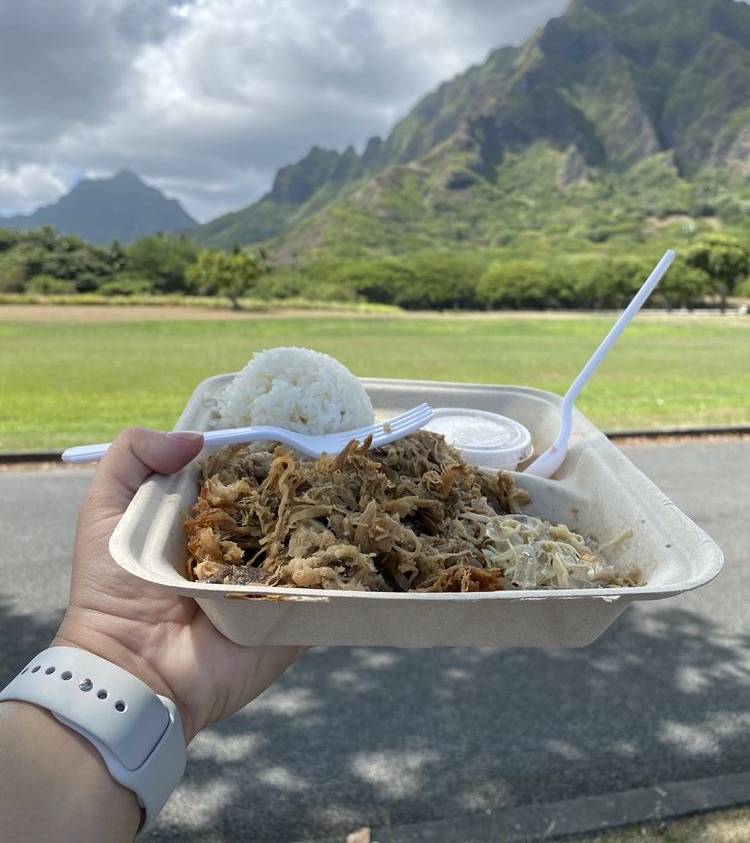
- With Kalua Pig: The tang of the sour poi cuts right through the smoky fat of the pork, balancing the dish perfectly.
- With Salt Fish or Lomi Salmon: The salt and acid create a "spark" on your tongue that makes the next bite of meat taste even more vibrant.
- Probiotic Power: Because it is fermented, sour poi is a powerful probiotic. It is packed with living enzymes that aid in digestion, making it a "functional food" that is as healthy as it is tasty.
Kalua Pig Plate
The Ultimate Comparison: Fresh vs. Sour
The "Poi Palate" Scoring Guide
Not sure which one to order at the counter? Check the boxes that best describe your taste buds to find your match!
Your Taste Preferences:
- I love fermented foods like sourdough bread, kombucha, and Greek yogurt. (Points toward: Sour)
- I prefer mild, comforting foods like mashed potatoes or grits. (Points toward: Fresh)
- I am ordering a very salty dish like Salted Fish or Lomi Salmon. (Points toward: Sour)
- I want to try poi as a dessert or with something sweet. (Points toward: Fresh)
- I have a sensitive stomach and want a natural, gut-healthy probiotic. (Points toward: Sour)
The Verdict:
- Mostly Fresh: You’re looking for a smooth, gentle introduction to Hawaiian staples. Order your poi fresh and enjoy the natural sweetness of the valley.
- Mostly Sour: You have a sophisticated, local palate! You understand that the "zing" is what makes the Hawaiian plate lunch complete.
Why Waiahole Poi Factory is Different
At many grocery stores, you buy poi in a plastic bag that has been sitting on a shelf for days, making it hard to know exactly how "old" it actually is. At Waiahole Poi Factory, we take immense pride in our hand-pounded process.
Because we pound our kalo (taro) right here in the historic valley, we know exactly when it was made. Whether you want it fresh-from-the-board or perfectly aged for a few days, you are getting a living product that hasn't been over-processed, pasteurized, or diluted by industrial mills.
FAQ: Mastering the Art of Poi Selection
1. Does poi ever actually go "bad"? Strictly speaking, poi doesn't spoil in the traditional sense; it just becomes more and more sour. However, if you see visible mold (white, green, or black spots) or a significant change in color to a greyish hue, it is time to toss it. Most people find that 5–7 days is the limit for their personal taste.
2. How do I slow down the souring process at home? Keep your poi in the refrigerator. Cold temperatures slow down the activity of the lactobacillus bacteria. To keep it fresh even longer, some locals add a thin layer of water over the top of the poi in its container to create an airtight seal and prevent a crust from forming.
3. Can I make sour poi "sweet" again? You can't reverse the fermentation process, but you can "mellow" it out. The best trick is to mix in a little bit of fresh poi or add a tiny pinch of sugar to balance out the acidity.
4. Is sour poi healthier for you? Yes, in terms of gut health! The fermentation process creates natural probiotics that are excellent for your microbiome. It’s also often easier to digest for those with sensitive stomachs because the bacteria have already begun "pre-digesting" the starches.
5. How do I know which one I'm getting at Waiahole? When you visit our Windward Mall or Waiahole Valley locations, feel free to ask our staff about the poi's "age." We’ll help you find the bowl that fits your preference!
6. What if I try it and don't like either version? If you aren't ready for a full bowl of poi, try the Sweet Lady of Waiahole. It uses taro in a different way—warm, steamed into kulolo, and served with ice cream—that almost everyone loves immediately.
7. Why is hand-pounded poi so much thicker? Industrial mills add high volumes of water to get the taro through the metal machinery. Our traditional method uses significantly less water, resulting in the "two-finger" thickness that locals crave.
Find Your Perfect Palate Today
The only way to truly know if you’re a "Fresh" or "Sour" fan is to taste them for yourself in the environment they were meant to be eaten. Join us in the valley and experience a tradition that has sustained Hawai‘i for over a millennium.
Ready to try a bowl?