
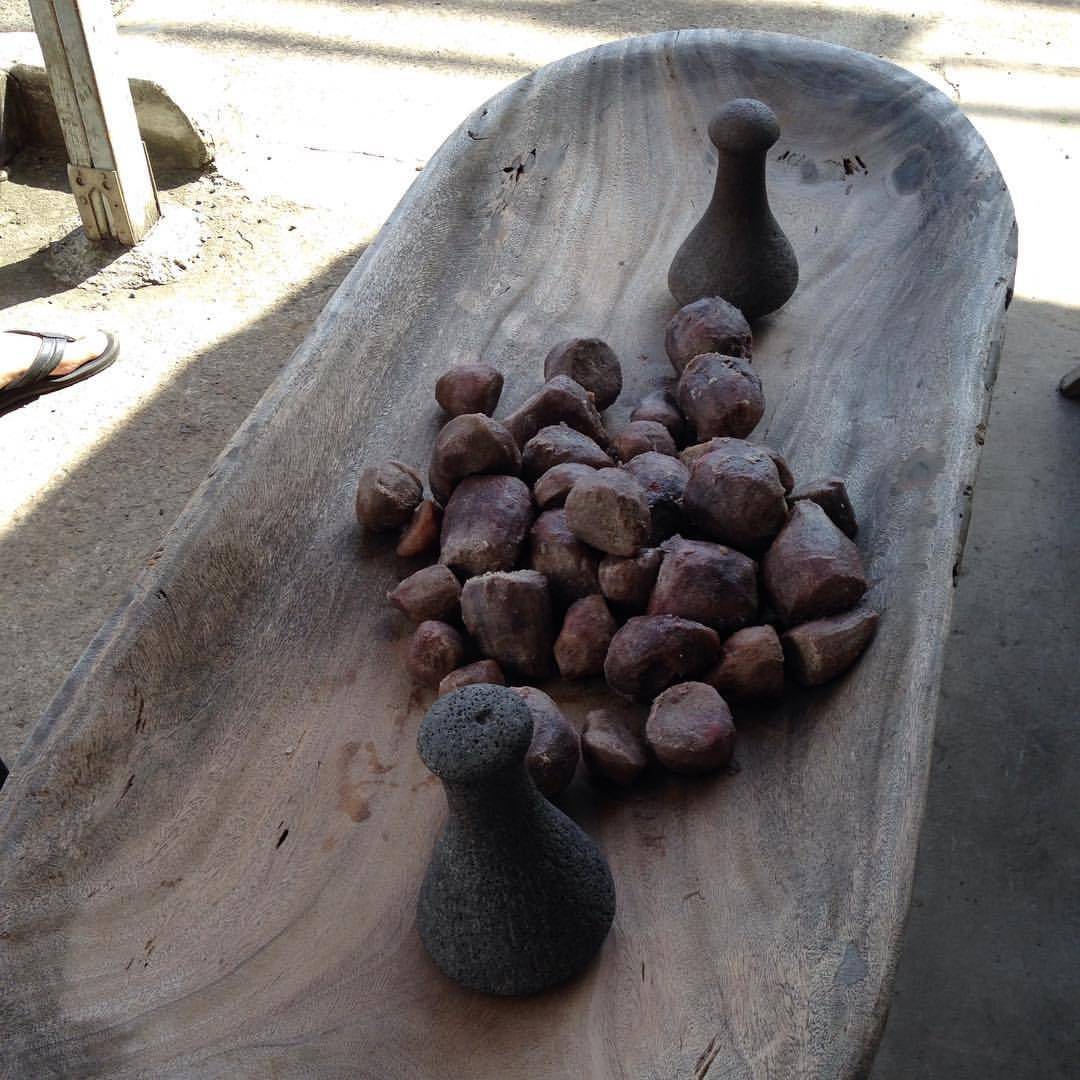
In the modern food industry, "farm to table" is often used as a trendy marketing buzzword. But at Waiahole Poi Factory, sourcing local isn't a trend—it’s a survival strategy for our culture and our community. When you sit down to enjoy a bowl of hand-pounded poi, you aren't just eating a starch; you are consuming the results of a multi-generational cycle of hard work, freshwater management, and deep spiritual respect for the ‘āina (land).
The journey of local taro in Hawaii (known as kalo) is one of the most significant culinary stories in the Pacific. From the muddy lo‘i (wetland patches) of the Windward side to the wooden pounding boards of our kitchen, every step is handled with intention. In this guide, we’ll take you behind the scenes to show you why sourcing local kalo is essential for the flavor of our food and the future of our islands.
The Sacred Connection: Kalo as an Ancestor
To understand why we prioritize local taro, you first have to understand the Hawaiian relationship with the plant. In the Hawaiian creation story, Hāloanakalaukapalili was the stillborn first son of Wākea and Ho‘ohokukalani. From his burial site grew the first kalo plant. The second son, Hāloa, was the first human, tasked with caring for his elder brother, the taro.
Because of this, kalo is not just "produce" to us; it is our elder brother. When we source taro from local farmers in the Waiahole and Waiāne valleys, we are participating in a familial duty. Using imported taro or mass-produced substitutes would mean breaking that sacred connection. Every strike of the stone pounder is an act of respect for this lineage.
Why Local Sourcing Matters for Culture:
- Preserving Varieties: Hawaii once had over 300 varieties of kalo. Local farmers are the only ones keeping rare, heritage varieties alive.
- Mana (Spirit): We believe that the care a farmer puts into the mud of the lo‘i translates into the energy of the food.
- Knowledge Transfer: By buying from local mahi‘ai (farmers), we ensure that the traditional knowledge of wetland farming is passed down to the next generation.
The Quality Difference: Local Kalo vs. Imports
From a purely culinary perspective, there is no contest. Most "commercial" taro found in the frozen sections of supermarkets is imported from Southeast Asia or the South Pacific. While it may look similar, the flavor and chemical composition are vastly different from Oahu-grown taro.
1. Mineral Richness and Terroir
Just like wine, taro has "terroir." The volcanic soil of the Ko‘olau Mountains is exceptionally rich in minerals. As freshwater flows from the peaks down through the Waiahole Valley, it feeds the taro with nutrients that you simply won't find in taro grown in other parts of the world. This gives our poi its signature "clean" and nutty finish.
2. Starch Content and Elasticity
Local Hawaiian kalo is prized for its high starch density and natural "stickiness." This is crucial for hand-pounded poi. Imported taro is often more fibrous or "watery," which makes it difficult to achieve that signature two-finger thickness and elastic "snap" that locals crave.
3. Peak Freshness
Taro is a living root. The moment it is harvested, the natural sugars begin a slow transition. By sourcing locally, we can get taro from the mud to our steamers within 24 to 48 hours. This ensures the fresh poi has that delicate sweetness that fades during long international shipping routes.
Traditional Hand-Pounding in Action
To truly understand the "Table" part of our Farm-to-Table journey, watch how we transform the local harvest using traditional stone and board.
What the Community is Saying: Authentic Reviews
Our customers can taste the difference that local sourcing makes. Here are actual, verbatim reviews from those who have experienced our commitment to the land:
"Super authentic and delicious Hawaiian food. Poi was fresh and perfect (although wish it was room temperature). Lau lau had lots of leaves and meat. Kalua pig and lomi salmon were good (try mixing them together). Haupia (coconut jello) was super creamy and not too sweet. Will definitely be back." — Tim Wong, Google Reviews (January 2026) | Source
"If you want to try poi, you must come here to try it. Trust me, no other place will make poi this fresh." — Kaiulani Wong, TasteAtlas (April 15, 2023) | Source
Supporting the Windward Agricultural Economy
When you purchase a meal at our Windward Mall location or our original factory, you are a direct investor in Hawaii’s food security.
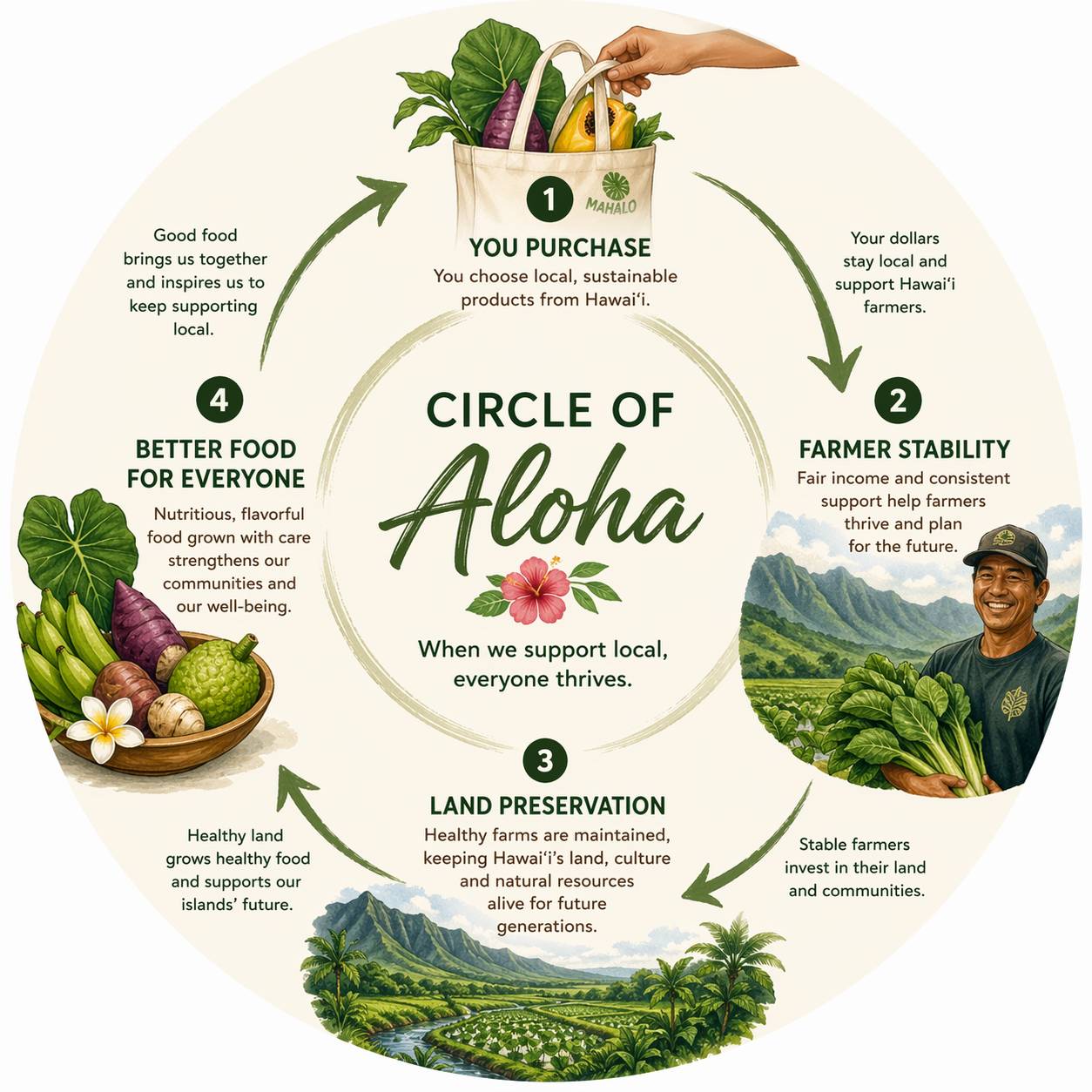
By supporting local taro farmers, we are helping to rebuild a self-sufficient food system. Every pound of taro we buy helps a local family stay on their land, pay their water bills, and keep their lo‘i productive. It’s a "Circle of Aloha" that ensures the Windward side remains green and productive.
FAQ: Sourcing and Sustainability
1. Is all of your taro from Waiahole Valley? While we source as much as possible from our own backyard, we also partner with trusted farmers in neighboring valleys across Oahu to ensure we can meet demand without over-taxing a single plot of land.
2. Can I buy raw taro from you? Our focus is on prepared foods and our Country Store items, but we can often direct you to the local farmers markets where our partners sell their raw harvests!
3. Why is poi sometimes a different shade of purple? That is the beauty of local sourcing! Different varieties of kalo (like Lehua or Pi‘iali‘i) produce different colors. A change in shade is proof that you are eating a natural, unblended product sourced straight from the farm.
Taste the Land in Every Bite
The next time you enjoy a Sweet Lady or a Kanaka Nui Plate, take a moment to think about the freshwater flowing through the valley and the hands that pulled that root from the mud. Sourcing local taro isn't just about flavor—it's about keeping the heart of Hawaii beating.
Support local farmers today: