Understanding the history of luau food Hawaii requires looking far beyond commercial hotel shows to examine the profound cultural shifts of the 19th century. The dishes we serve daily at Waiāhole Poi Factory trace their origins directly to ancient royal feasts. We maintain these specific culinary methods to ensure modern diners can physically taste the political and social evolution of our islands.
To truly appreciate the heavy combination plate sitting in front of you, you must understand the strict religious laws that originally governed Hawaiian dining. The transition from sacred ceremonies to accessible takeout meals is a fascinating story of cultural adaptation and agricultural resilience.
The Era of the ʻAhaʻaina and Kapu System
Before 1819, the concept of a casual community feast did not exist in Hawaiian society. Ancient Hawaiians gathered for highly structured ceremonial meals called ʻahaʻaina. These gatherings celebrated major life events or significant military victories. The food consumed during these events was governed entirely by the ʻaikapu system. This strict religious code dictated exactly what could be eaten and who could eat it.
Under the ʻaikapu, men and women were required to eat their meals entirely separated from one another. Furthermore, specific high-status foods were completely restricted from women. Pork (puaʻa), certain varieties of bananas, and specific reef fish were reserved strictly for male consumption.
The physical preparation of the food was also heavily segregated. Men possessed the exclusive responsibility for cooking. They operated the imu (underground oven) by gathering wood and heating porous lava rocks to extreme temperatures. They also held the sacred duty of hand-pounding the steamed kalo (taro) into poi using heavy stone tools. The entire dining experience was a rigid display of social class and religious devotion.
The 1819 Cultural Revolution
The turning point for Hawaiian cuisine occurred shortly after the death of King Kamehameha I. In 1819, King Kamehameha II boldly abolished the ʻaikapu system by sitting down to eat openly with women. This singular political act is known as the ʻainoa (free eating). It fundamentally transformed the culinary landscape of the archipelago.
With the religious restrictions lifted, large community gatherings became highly inclusive. The word "lūʻau" eventually replaced the formal term "ʻahaʻaina" in standard conversation. This linguistic shift is deeply fascinating. The Bishop Museum notes that the feast simply adopted the name of its absolute most popular dish. Lūʻau refers directly to the young taro leaves stewed heavily with coconut milk. Because this specific creamy dish appeared at every major inclusive gathering, the food itself eventually became the permanent title of the event.
The Plantation Era and the Plate Lunch
As the 19th century progressed into the 20th century, the Hawaiian economy shifted toward massive sugarcane and pineapple plantations. This era introduced the next major evolution in local cuisine. Laborers required heavy calories to survive their grueling physical shifts in the fields. The traditional lavish feast adapted into a highly portable daily format.
Workers from different ethnic backgrounds shared their midday meals during their breaks. Japanese laborers brought stacked bento boxes. Filipino workers brought heavy stews. Native Hawaiians contributed traditional staples like Kālua Pig and fresh poi. Over time, these diverse foods found themselves portioned out into shared compartmentalized containers.
The classic metal "kaukau tin" became the standard vessel for carrying these mixed meals into the fields. This transition allowed the deeply complex flavors of the ancient imu to become accessible everyday sustenance for the working class. Today, our historic valley location operates as a direct continuation of this working-class culinary tradition. We serve the exact foods once reserved for royalty inside convenient combination plates designed for the modern local family.
Comparing the Eras of Hawaiian Dining
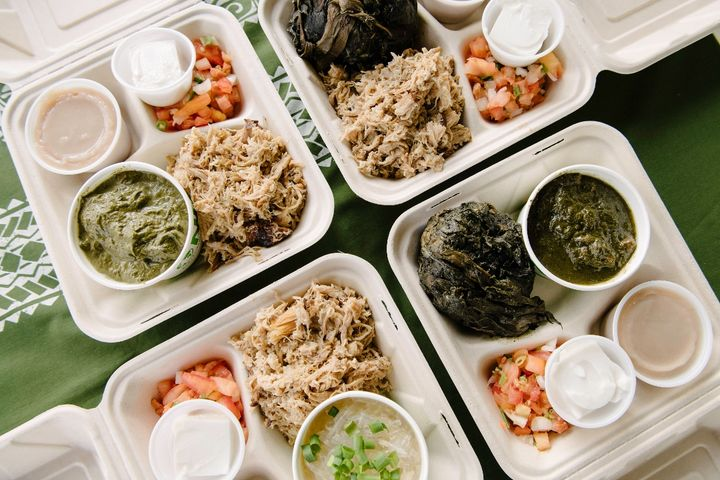
To fully grasp how these cultural shifts changed our food systems, we developed a matrix comparing the ancient feast to the modern traditional plate.
Preserving the Culinary Mechanics
While the social structure of the meal changed drastically over two centuries, the actual scientific mechanics of the cooking never faltered. We refuse to alter the ancient preparation methods. Modifying these techniques erases the exact history we strive to protect.
For example, true Kālua Pig requires slow roasting over an extended period. The meat must break down naturally to achieve the correct shredded texture. In ancient times, cooks layered the pork with hot lava rocks and crushed banana stumps to generate massive amounts of underground steam. Today, our cooks rub heavy pork shoulders aggressively with coarse Hawaiian sea salt to replicate the exact curing process and flavor profile utilized in that ancient imu.
We also strictly maintain the traditional method of producing poi. We utilize a pōhaku kuʻi ʻai (stone mortar) to hand-pound our taro corms. The sheer physical exertion required for this task mirrors the exact labor performed by the men of the ʻahaʻaina centuries ago. The Hawaiʻi Department of Agriculture constantly highlights the importance of preserving these heritage processing skills to maintain local food sovereignty for future generations.
Step-by-Step: Curating a Historically Accurate Meal
You can build a plate that perfectly represents the post-1819 culinary revolution by navigating our kitchen menu carefully. Follow this structural sequence to taste the history properly.
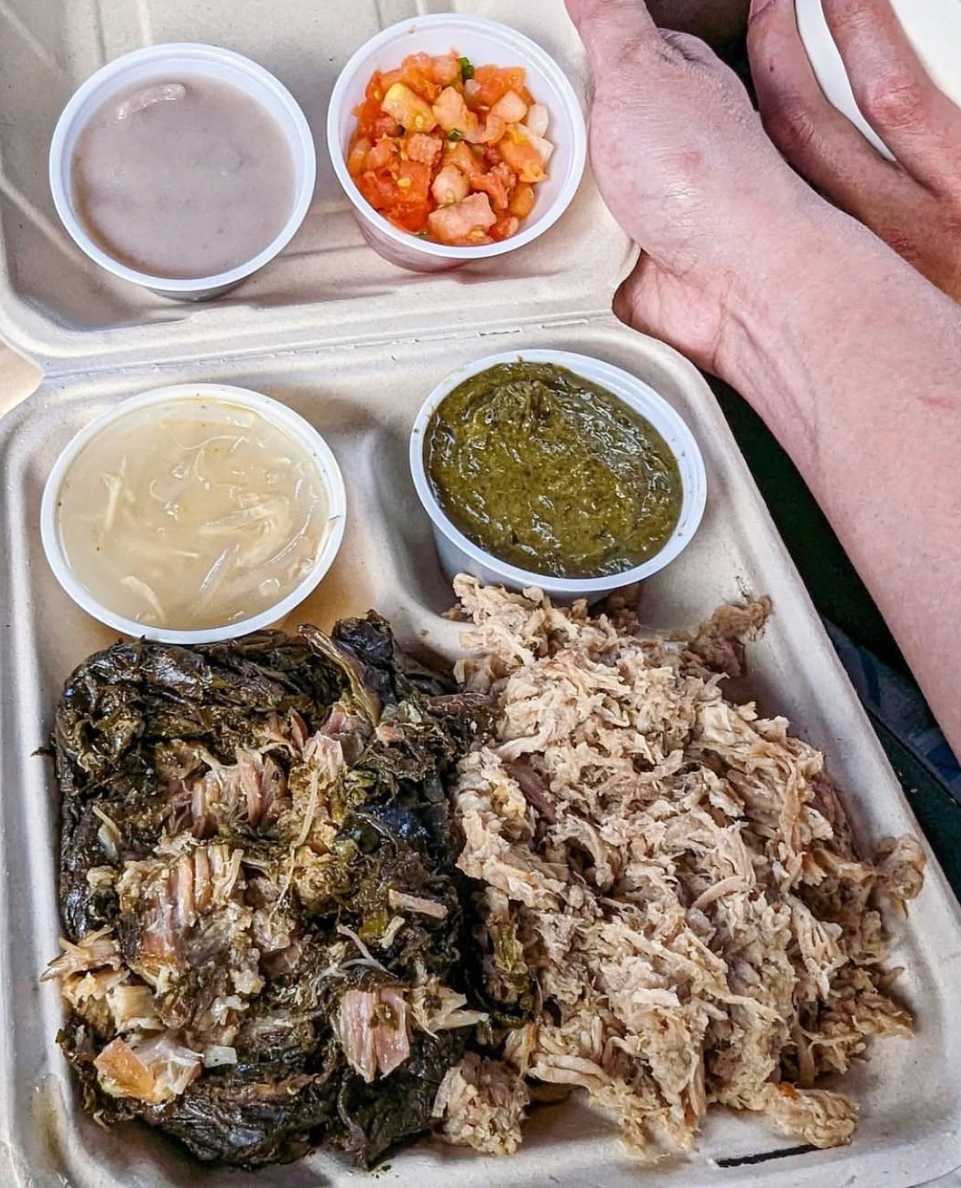
- Anchor with the Feast Namesake: Order a heavy side of Squid Lūʻau. This stewed taro leaf dish is the exact recipe that gave the modern Hawaiian feast its name.
- Select the Royal Protein: Choose Kālua Pig as your primary meat. Consuming this pork connects you directly to the breaking of the ʻaikapu system.
- Add the Ancient Starch: Request a generous portion of fresh hand-pounded poi. This complex carbohydrate served as the undisputed center of the diet long before Western contact.
- Finish with Traditional Sweets: Order a slice of plain steamed kūlolo (taro fudge) to experience the ancient method of caramelizing natural root sugars.
Accessing History Across the Island
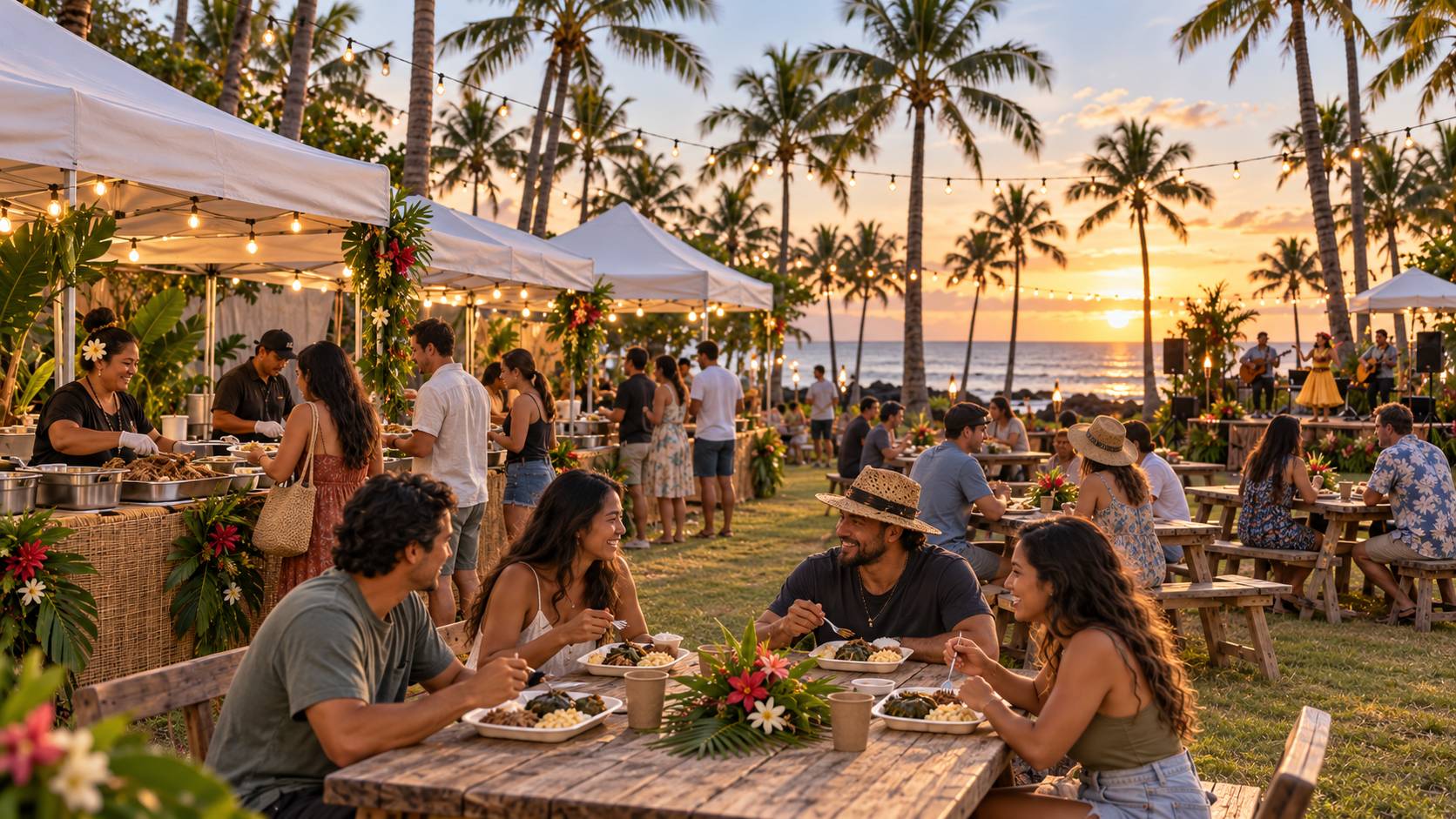
Experiencing this deep history does not require attending an expensive commercial hotel show. We provide authentic, historically accurate meals strictly for everyday nourishment. Our operations are designed to feed our community efficiently.
If you want to consume your meal while observing the historic agricultural terraces that originally produced your food, visit our original storefront in Kāneʻohe. The valley environment provides a profound physical context for the history you are eating.
If your travel schedule is tight, you can visit our secondary counter inside the Windward Mall food court. We established this location specifically to bring ancient Hawaiian cooking into a highly accessible modern environment. We securely transport our slow-roasted meats and fresh poi directly from the valley kitchen to the mall daily. You receive the exact same historical recipes regardless of which counter you approach.
"Hānai i ka ʻai, hānai i ke aloha." We nourish with food to nourish with love. We honor the complex history of our islands by serving the exact dishes that sustained our ancestors. We invite you to participate in this continuing culinary evolution.
Taste the authentic history of Oʻahu today by securing your combination plate online.