
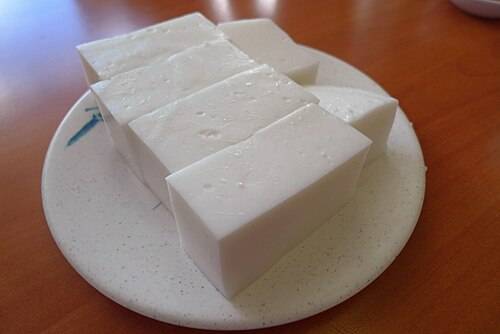
Haupia has long held a special place at Hawaiian gatherings. This simple coconut milk dessert appears at luaus, family potlucks, and plate lunches across the islands. At Waiahole Poi Factory, a Native Hawaiian and family-owned operation rooted in Waiahole Valley since the early 1900s, haupia remains central to the menu—both in its classic form and as the star of our most requested dessert.
While many visitors know the firm, sliceable squares served with kalua pig and laulau, a tapioca-pearl version brings a pleasant chew that many island households prepare at home. This guide explores the history of haupia, a reliable home recipe for the tapioca style, comparisons of thickeners, creative pairings, and—most importantly—how we prepare and serve authentic coconut desserts at our two Oahu locations.
What Is Haupia? A Coconut Dessert with Deep Roots
Haupia began with Polynesian settlers who brought coconut and pia (Polynesian arrowroot) to the Hawaiian Islands. Early versions used fresh coconut milk thickened with pia, then set and served at important occasions. When commercial pia became harder to find, cornstarch took its place in the early 1900s. The flavor goal never changed: the dessert should taste clearly of coconut, with the thickener providing structure rather than dominating the taste.
Traditional haupia is naturally dairy-free and gluten-free. At Waiahole Poi Factory we serve a light, custard-like version ($4.50) that appears on every plate lunch alongside lomi salmon. Guests receive a small portion with Single, Combo, and Kanaka Nui plates. Many regulars request an extra scoop.
The tapioca variation replaces the smooth thickener with small pearls. The result is creamy coconut milk surrounding translucent, gently chewy pearls. It sits between the firm squares of a classic luau table and the softer puddings made at home. Both styles honor the same ingredient list—coconut milk, sweetener, and a starch—while offering different textures.
How to Make Haupia Tapioca Pudding at Home
A successful tapioca haupia depends on ratio and patience. Use roughly one part small tapioca pearls to four parts liquid. For six to eight servings:
- ½ cup small tapioca pearls
- 2 cups full-fat coconut milk
- ⅓ cup sugar (adjust to taste)
- ¼ teaspoon salt
Soak the pearls in cold water for 30–60 minutes, then drain well. Combine drained pearls, coconut milk, sugar, and salt in a medium saucepan. Bring to a gentle boil over medium heat, stirring often. Reduce to low and simmer for 15–20 minutes until the pearls turn translucent and the mixture coats a spoon. It should still be pourable; it firms as it cools.
Pour into bowls or a shallow dish and refrigerate for at least two hours. The finished pudding is creamy and scoopable. Quality coconut milk makes a clear difference. Fresher milk yields a cleaner aroma and less cloying sweetness—the same principle we follow when preparing the coconut elements of our desserts.
Choosing Your Thickener: Tapioca, Gelatin, or Cornstarch
Different thickeners produce distinct textures. The table below summarizes the practical differences:
Tapioca offers the most textural interest. Cornstarch stays closest to older home styles. Gelatin creates the clean squares often seen under heat lamps at large events. At Waiahole we focus on the soft custard style for plates and transform the same coconut flavor into ice cream for our signature desserts.
Haupia Bread Pudding and Island Fusion Ideas
The coconut base of haupia adapts well to bread pudding. Whisk three to four eggs into two cups of the coconut mixture, pour over cubed day-old Hawaiian sweet bread or challah, soak 15–20 minutes, then bake at 350°F for 45–50 minutes. Top with toasted coconut, a light passion-fruit drizzle, or chopped macadamia nuts.
This approach echoes the spirit of our Sweet Lady of Waiahole. We take warm, house-made kulolo—grated taro, coconut milk, and sugar steamed for hours until dense and gooey—and crown it with a scoop of cold haupia-flavored ice cream. The temperature contrast and slow melt create a sauce that many guests describe as the highlight of their visit. A second version, the Tahitian Sweet Lady, uses warm banana poʻe instead of kulolo under the same ice cream.
Both desserts appear on our menu at the original Waiahole Valley location (48-140 Kamehameha Hwy) and the Windward Mall food court. Single-scoop versions start at $8.40; double scoops are available. Plain kulolo is sold by the scoop or pound when available, and standalone haupia ice cream is offered as well.
Nutritional Reality and Mindful Enjoyment
A half-cup serving of traditional haupia tapioca pudding generally falls in the 180–220 calorie range, driven largely by full-fat coconut milk. The dessert is high in saturated fat (primarily lauric acid) and contains added sugar. It is not an everyday breakfast item; it has always been a celebration food.
Because it contains no dairy or gluten in its classic form, it remains accessible for many dietary needs. Light coconut milk reduces calories substantially if a lighter version is preferred. Fresh tropical fruit—mango, papaya, or passion fruit—adds brightness and fiber without heavy additional calories. At the factory we treat haupia as the sweet finish to a plate of kalua pig, laulau, or squid luau rather than a daily staple, consistent with its cultural role.
Serving, Storing, and Pairing with Traditional Foods
Serve firm haupia cut into squares or scoop the softer tapioca version into small bowls. Modern presentations layer it with fresh fruit in parfait glasses or top it with toasted coconut and crushed macadamia nuts. Store refrigerated in an airtight container with plastic wrap pressed to the surface; consume within three to four days. Freezing is not recommended—coconut milk separates and tapioca pearls lose their pleasant texture.
Haupia pairs naturally with other Hawaiian sweets. Kulolo’s earthy taro depth balances haupia’s bright coconut. Butter mochi shares the coconut base while offering a chewy rice texture. On our plates, the small haupia portion provides a cooling contrast to smoked meats and rich luau stews. Guests often finish a Kanaka Nui plate (laulau, kalua pig, chicken long rice, choice of beef or squid luau, lomi salmon, rice or poi, and haupia) with an order of the Sweet Lady.
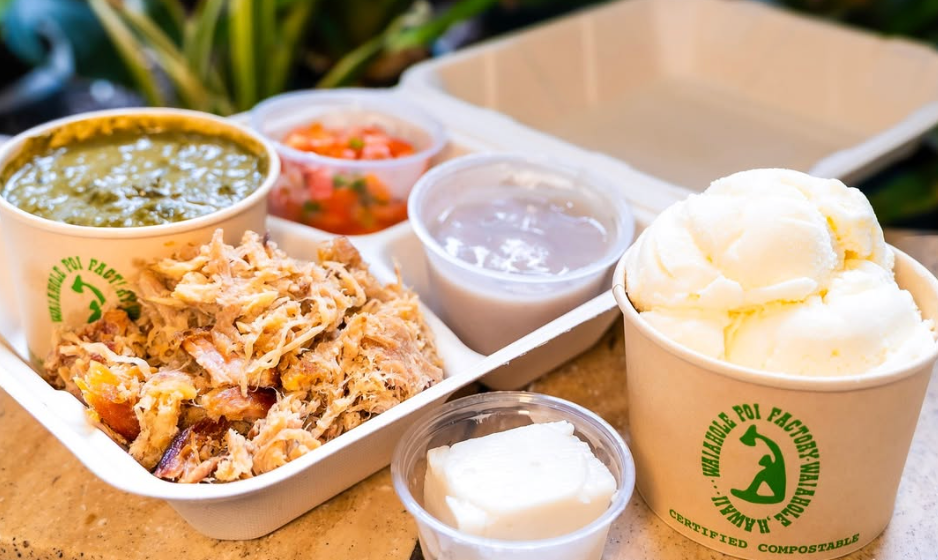
We also offer hand-pounded poi, made from taro that has been a Hawaiian staple for centuries. The combination of savory plates, poi, and coconut desserts reflects the full range of traditional flavors we work to preserve.
Why Authentic Preparation Matters
Authentic haupia rests on quality coconut milk, correct ratios, and respect for traditional methods. Commercial luau versions sometimes lean firmer for service logistics. Local shops and family kitchens often prefer softer textures. At Waiahole Poi Factory we prepare desserts with attention to both ends of that spectrum: the classic custard-style haupia that accompanies plates and the ice-cream form that defines the Sweet Lady.
Our original location in historic Waiahole Valley and the convenient Windward Mall counter both serve the full dessert lineup. Online ordering is available for both sites. We also offer Hawaiian food tours that introduce visitors to the cultural context of the dishes.
Making haupia tapioca pudding at home connects you to a long culinary line. Using good coconut milk, observing proper ratios, and allowing time for the mixture to set produces a dessert that feels both familiar and satisfying. When you want the benchmark version prepared with local ingredients and generations of practice, visit us for traditional haupia, house kulolo, and the Sweet Lady of Waiahole.
Order online or stop by either location to taste how coconut, taro, and careful technique come together. Whether you finish a plate lunch with a square of haupia or share a double-scoop Sweet Lady with family, you are participating in a living tradition that continues in Waiahole Valley today.