

Most visitors driving along the Windward side of Oʻahu encounter versions of "Hawaiian food" that hold little connection to our islands' actual culinary heritage. Real island cuisine isn't pineapple on pizza, coconut shrimp, or sugary fusion marinades. It is hand-pounded poi (paʻiʻai), smoky kalua pork cooked slowly in an underground imu, and warm kulolo steamed for an entire day.
This food tells the living story of Native Hawaiian traditions shaped by over a millennium of careful cultivation, later complemented by Asian and Pacific influences through waves of agricultural migration. Understanding what makes island cuisine authentic means recognizing the local ingredients, ancestral techniques, and cultural respect that simply cannot be shortcut or replicated outside these islands.
Defining Authentic Island Cuisine
Island cuisine in Hawaii represents a deeply rooted foundation born from local geography, water rights, and cultural reverence. At its absolute center are Native Hawaiian foodways focused on taro (kalo), fresh reef and deep-sea fish, and root crops grown in mineral-rich volcanic soil. Taro has been cultivated in Hawaii for over 1,000 years, relying on traditional wetland systems (loʻi kalo) that require sophisticated water management passed down directly through generations of kiai loko and mahiʻai (farmers).
The broader local plate evolved as plantation-era immigrant communities (Portuguese, Japanese, Filipino, Korean, and Chinese laborers who arrived between the 1850s and 1940s) brought their own distinct culinary preparations. Portuguese bean soup, Japanese shoyu (soy sauce) glazes, and Filipino adobo methods slowly merged alongside Native Hawaiian staples. This wasn't modern chef-driven fusion. It was working families sharing food across plantation camps for over a century.
What separates true island cuisine from commercial tourist fare is a non-negotiable commitment to traditional preparation:
- Hand-pounding taro on a heavy wooden board (papa kuʻi ʻai) with a basalt stone pestle (pōhaku kuʻi ʻai) instead of running it through industrial high-speed metal blades.
- Steaming house-made kulolo for 24 continuous hours rather than taking chemical or baking shortcuts.
- Sourcing fresh kalo directly from rain-fed windward valleys like Waiahole, where taro farming has continued uninterrupted since long before Western contact.
These foundational methods have been carefully maintained at our historical landmark. Originally built as a sugar mill before converting into a poi factory in 1905, we preserve the ancestral textures, flavors, and cultural integrity of Windward Oʻahu.
Essential Foods & Preparation Methods
Poi sits at the spiritual center of traditional Hawaiian dining. In Hawaiian cosmology, kalo is Hāloanakalaukapalili, the elder brother of the Hawaiian people. Poi is not merely a side starch; it is a sacred family relation present at the table.
Made from boiled taro corms, poi’s consistency and flavor profile depend entirely on its mechanical preparation. Hand-pounding breaks down starch granules into fine 5-to-10-micron structures, compared to the 15-to-25-micron sheer created by commercial motor blades. This difference creates a smooth, elastic mouthfeel and preserves beneficial lactic acid bacteria during natural 1-to-3-day fermentation.
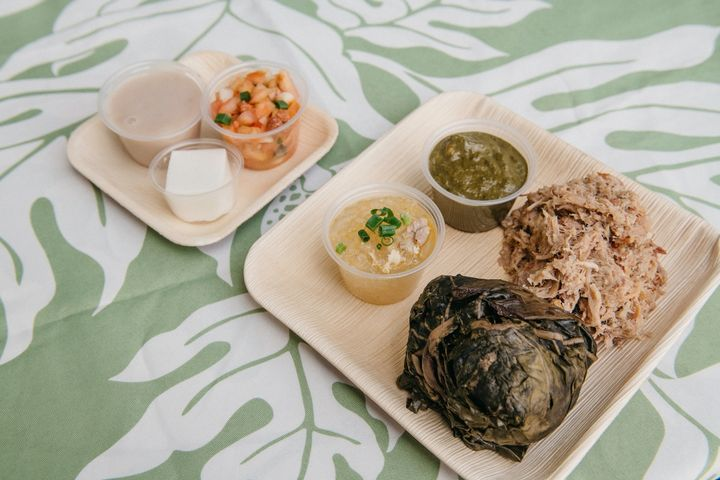
Traditional proteins showcase equally demanding labor. Kalua pork cooked in an underground imu relies on volcanic rocks heated by koa or mesquite wood, covered in damp banana trunks and ti leaves. Steam trapped under layers of earth cooks the meat over 6 to 12 hours at constant temperatures, infusing rich smoke and humidity into every fiber.
Kulolo illustrates why commercial shortcuts fail. This prized Hawaiian dessert requires a simple mixture of grated taro and coconut milk, yet demands up to 24 hours of low-heat steam. This extended heating slowly breaks down complex taro starches into natural simple sugars, producing a deep caramelization that artificial flavorings cannot copy.
The Waiahole Valley Legacy
Where your food originates determines whether your plate carries true mana (life force) or merely resembles it. Modern Hawaii imports roughly 85% to 90% of its total food supply, making hyper-local agricultural sourcing crucial for island sustainability.
Waiahole Valley on Oʻahu’s Windward coast remains one of the few surviving traditional agricultural valleys with flowing ʻauwai (irrigation streams), high rainfall, and mineral-dense volcanic soil.
Taro grown in Waiahole carries a distinct terroir. The mineral content of the valley's soil, cool mountain water temperatures, and specific heirloom cultivars produce a creamier, richer starch profile than imported taro from Fiji or the mainland. When dining with us at Waiahole Poi Factory, you are consuming taro cultivated within our immediate watershed.
What We Serve at Waiahole Poi Factory
When you visit our order window in Kāneʻohe, you can sample traditional dishes prepared with historic fidelity:
- Traditional Combination Plates: Served with fresh hand-pounded poi or rice, plus lomi salmon and haupia. Choose between classic Kalua Pig, Laulau, Squid Luau, or Chicken Long Rice.
- The Waiahole Special: A local favorite combining both Kalua Pig and tender Laulau on a single plate for the complete traditional spread.
- Sweet Lady of Waiahole: Our signature dessert pairing warm, 24-hour hand-crafted kulolo topped with a cold scoop of haupia (coconut) ice cream.
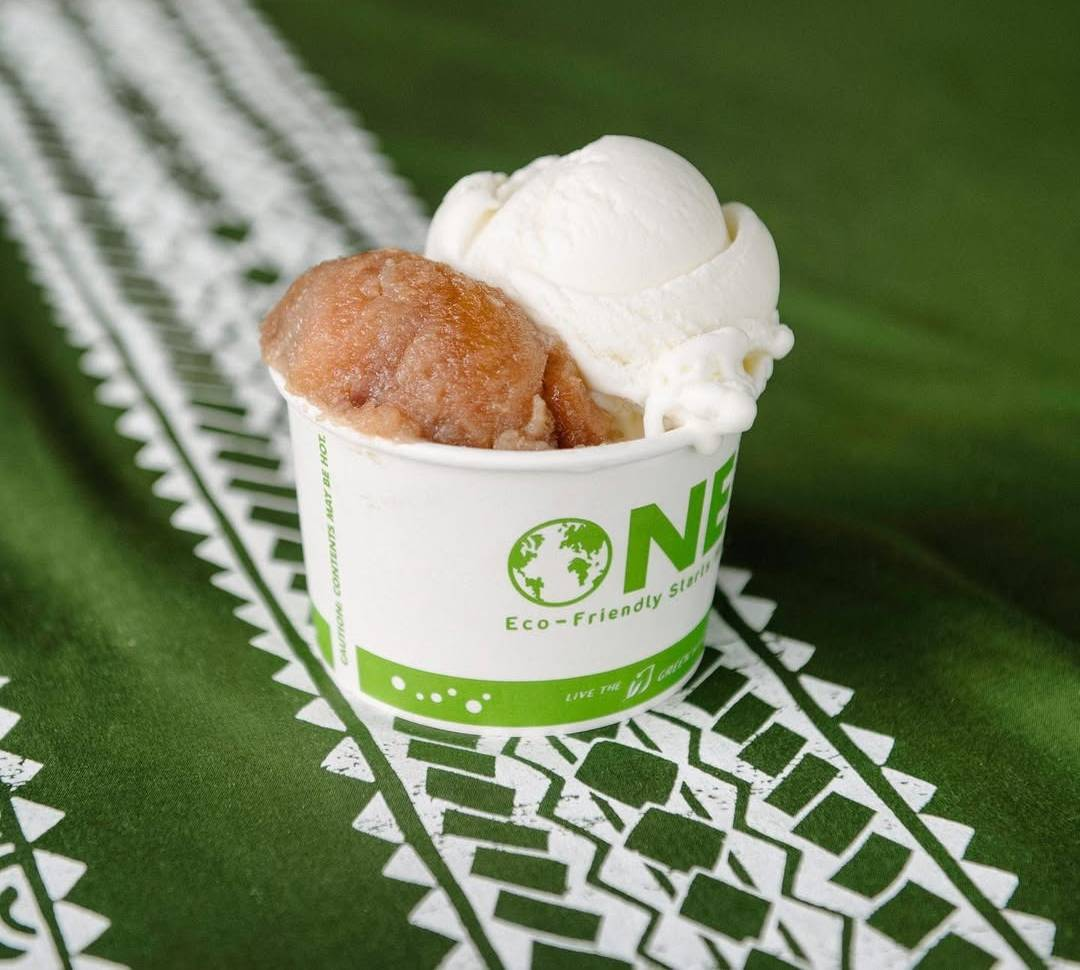
Sweet Lady of Waiahole
How to Approach Your Island Dining Experience
If you are trying fresh poi for the first time, keep an open mind. Poi is not meant to be eaten as a seasoned standalone soup. It acts as a cooling starch that balances rich, salty proteins like kalua pig or salted lomi salmon. Dip a fork or spoon of meat into the poi to combine textures and flavors in a single bite.
Hawaiian dining centers on communal sharing rather than isolated individual entrees. Ordering combination plates lets you experience the intended balance between salty, savory, sweet, and fermented components.
Etiquette for Visiting Local Establishments
- Respect the Space: We are a historic, rural community landmark along Kamehameha Highway. Please park responsibly and treat our valley neighbors with care.
- Ask Questions: Our staff takes immense pride in our heritage. Inquiring about how the poi was prepared or where the taro was harvested is always welcomed.
- Eat While Fresh: Traditional food contains no artificial preservatives. Enjoy your warm laulau and cool poi immediately at our outdoor seating area.
What Our Guests Say on Yelp
Nothing tells the story of our valley and kitchen better than the experiences shared by locals and visitors who stop by our order window along Kamehameha Highway.
Have you visited us recently? Check out more community feedback or leave your own review on our official Waiahole Poi Factory Yelp Page.
Why Supporting Local Foodways Matters
Choosing authentic island cuisine does far more than satisfy your appetite. It actively sustains Native Hawaiian agricultural ecosystems and local land stewardship.
Native Hawaiian-owned small businesses make up a small percentage of statewide enterprises. By supporting family-run establishments that maintain traditional hand-pounding methods rather than industrial shortcuts, you directly contribute to:
- Preservation of Agricultural Land: Keeping Windward valleys active in food production rather than commercial real estate development.
- Protection of Water Rights: Supporting the historical flow of fresh mountain streams (wai) through traditional loʻi taro patches.
- Cultural Continuity: Ensuring younger generations learn the delicate arts of taro pounding, imu preparation, and long-steam kulolo production directly from cultural elders.
When you purchase a plate of food with us, your support stays directly within the Windward community, funding local farmers, native artisans, and family-run supply chains.
Experience Real Hawaiian Culture at Waiahole Poi Factory
Ready to taste authentic island cuisine prepared the traditional way? Skip the tourist traps and make the drive along scenic Windward Oʻahu to visit us at Waiahole Poi Factory. Experience real hand-pounded poi, tender kalua pig, handmade laulau, and our legendary Sweet Lady of Waiahole dessert.
- Location: 48-140 Kamehameha Hwy, Kāneʻohe, HI 96744
- Hours: Open Daily, 10:00 AM – 4:00 PM
- Menu: Explore our dishes and plan your visit on the Waiahole Poi Factory Official Website.