

Kalua pig tastes nothing like pulled pork. Most mainland recipes miss the point entirely. The difference comes from technique, tradition, and a cooking method that predates Western contact by centuries. If your only experience is slow-cooker pork with bottled liquid smoke, you have not yet tasted the smoky, salt-forward simplicity that makes this dish central to Hawaiian celebrations.
This guide covers the traditional imu method, practical home approaches, clear comparisons to other shredded pork dishes, and what makes kalua pig distinctly Hawaiian. We also show how it fits into the full plates we serve every day at Waiahole Poi Factory.
What Makes kalua pig Authentically Hawaiian
The word “kalua” means “to cook in an underground oven.” That single definition separates this dish from American barbecue. The imu method has been used in Hawaii for more than a thousand years. Volcanic rocks heated to high temperatures, whole pigs wrapped in ti and banana leaves, and hours of slow cooking underground produce meat seasoned with only salt.
Traditional preparation relied on ʻalaea, the red Hawaiian sea salt mixed with volcanic clay. The mineral-rich seasoning enhanced the pork rather than covering it. Kalua pig was reserved for luaus, religious ceremonies, and major community gatherings. It was never everyday convenience food. It connected people to the land and marked moments of celebration.
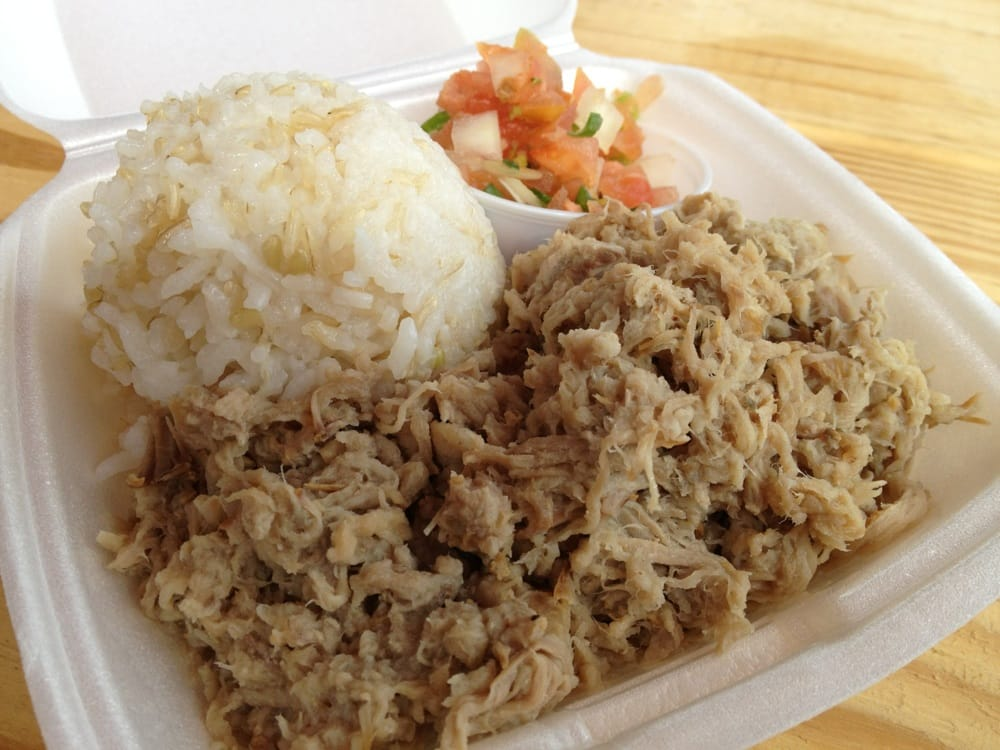
At Waiahole Poi Factory we prepare kalua pig by slow-cooking and smoking pork butt for twelve hours until it reaches fall-off-the-bone tenderness. We then shred it and season it with Hawaiian sea salt. The result stays true to the salt-and-smoke profile that defines the dish. We source ingredients with care and keep the preparation simple so the pork flavor remains clear.
How We Serve Kalua Pig at Waiahole Poi Factory
Kalua pig appears across our menu in ways that let you experience it the way locals do. You can order it as a single plate, part of a combo, or in our largest plate, the Kanaka Nui.
Here are the menu options that include kalua pig:
Every plate that includes an entrée also comes with lomi salmon and haupia. Choosing poi instead of rice keeps the meal closest to traditional Hawaiian balance. Our poi is made from steamed taro root, either milled or hand-pounded on Wednesdays and Sundays at the historic Waiahole Valley location.
We also offer catering for groups. Kalua pig travels well in pans and remains a centerpiece for family gatherings, company lunches, and celebrations. Call us at (808) 239-2222 or email waiaholepoi@gmail.com for details. We ask for at least 48 hours’ notice for smaller orders and a week for larger parties.
How to Make Kalua Pig at Home
You cannot fully recreate an imu in a home kitchen, but you can get close to the essential flavor with careful technique.
Start with a 5-pound bone-in pork shoulder. Rub it thoroughly with about 1.5 tablespoons of coarse Hawaiian sea salt (roughly 1 teaspoon per pound). Add 1–2 teaspoons of liquid smoke if you want the smoky note. If you can find leaves or banana leaves, wrap the pork; cabbage leaves work as a moisture barrier if leaves are unavailable.
Place the pork in a slow cooker with only ½ cup of water. The meat releases plenty of liquid as it cooks. Cook on low for 8–10 hours until the internal temperature reaches 190–205°F. That range allows collagen to break down fully into gelatin.
Let the meat rest 20 minutes before shredding. Pull it into moist chunks rather than fine threads. Toss with some of the reduced cooking liquid. From a 5-pound shoulder you can expect about 2–2.5 pounds of finished meat.
Oven method: Wrap the seasoned pork tightly in foil and roast at 275°F for 6–8 hours. You gain a bit more surface browning. Instant Pot: High pressure for 90–120 minutes works, though the texture leans closer to pot roast. A smoker at 225–250°F for 8–12 hours gives the cleanest wood-smoke flavor without liquid smoke.
The most common home mistake is shredding too soon or adding too much liquid. Resting and minimal added water keep the pork tasting like itself.
What to Serve with kalua pig
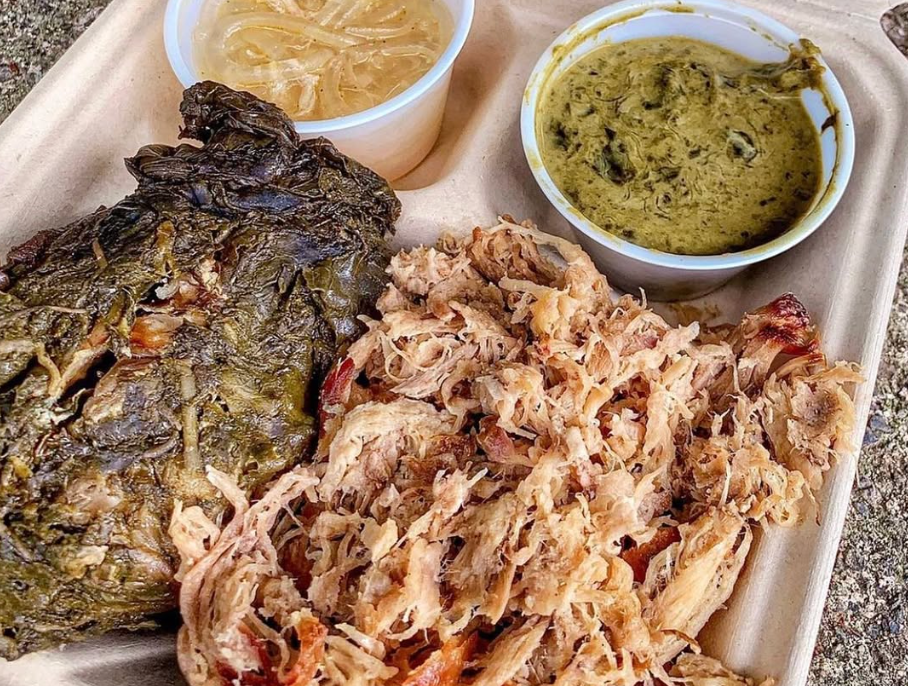
Kalua pig was never meant to stand alone. Traditional Hawaiian meals balanced the rich, fatty pork with poi. Poi provided the main carbohydrate base for the pre-contact Hawaiian diet. While rice became common after Asian immigration in the 1800s, poi remains the authentic pairing.
At Waiahole Poi Factory we make poi on-site. The hand-pounded version, available Wednesdays and Sundays in limited batches, carries a smooth, slightly fermented flavor that cuts through the pork’s richness. Milled poi is available daily.
A complete plate often includes:
- Lomi salmon (diced salted salmon with tomatoes and onions) for brightness and acid
- Laulau (pork and a touch of butterfish wrapped in taro leaves and steamed)
- Beef luau or squid luau for variety
- Haupia for a light coconut finish
- Our signature Sweet Lady of Waiahole (warm kulolo topped with haupia ice cream) when you want dessert
Kulolo is steamed for many hours until it is dense and sticky. The contrast of warm kulolo and cold ice cream has become one of our most ordered items.
Modern pairings work well too. Serve kalua pig over rice, with Hawaiian-style macaroni salad, or in tacos with pickled onions. Cabbage cooked in the pork drippings soaks up the salty, smoky liquid and makes a simple vegetable side. The salty, smoky pork works well with a starch and something acidic.
What Customers Say About Our Kalua Pig
Here is what recent visitors share about the kalua pig we serve:
Guests consistently note the smoky, salty flavor, the moist texture that pulls into chunks, and how well it pairs with our poi and lomi salmon. Many call it a highlight of their Hawaiian food experience and a reason they return.
Storing and Using Leftovers
Kalua pig keeps 3–4 days in the refrigerator at 40°F or below. Store it with some of the cooking liquid so it does not dry out. For longer storage, portion it into freezer bags with liquid, press out the air, and freeze for up to four months.
Reheat on the stovetop with a splash of water or broth. Cover the pan so steam returns moisture to the meat. Aim for 165°F internal temperature. Microwaving tends to create hot spots and tougher edges.
Leftover kalua pig works well in fried rice (you will need less soy sauce because of the existing salt), breakfast hash with sweet potatoes and eggs, or quesadillas. Reduce the cooking liquid by half on the stovetop and save it as a concentrated sauce. It carries the rendered fat and seasoning and is useful for reheating or drizzling over rice.
We also publish practical storage and reheating notes for our full plates, including poi, because many guests take home generous portions.
Experience Kalua Pig the Traditional Way
Not every plate of kalua pig in Hawaii comes from an imu. Many commercial kitchens use slow cookers or steam cabinets. Those methods produce tender meat, yet they often miss the deeper wood-smoke character. Look for places that describe their process clearly and keep the seasoning simple.
We operate two locations: the original historic building in Waiahole Valley (48-140 Kamehameha Hwy) and the Windward Mall food court. The Valley location is where we still hand-pound poi on Wednesdays and Sundays when conditions allow. Both locations serve the same core menu of kalua pig, laulau, chicken long rice, beef luau, squid luau, lomi salmon, haupia, and fresh poi.
Authentic kalua pig should taste noticeably smoky and salty. The meat should pull apart in moist chunks rather than fine threads. The pork flavor should come through clearly without heavy competing seasonings. If it tastes like ordinary pulled pork with liquid smoke added at the end, it probably is.
Ready for Real Kalua Pig and Hand-Pounded Poi
Stop by Waiahole Poi Factory for a plate that keeps the traditional balance of smoky pork, fresh poi, bright lomi salmon, and simple sides. Choose the Kanaka Nui if you want the full range, or start with a single plate of kalua pig and poi. Order online for pickup, visit either location, or contact us about catering for your next gathering.
We have been part of Waiahole Valley since 1905. Our focus remains the same: honest Hawaiian food prepared with care, using local ingredients, and served with aloha.
View the full menu or call (808) 239-2222 with questions about hand-pounded poi availability or catering.