
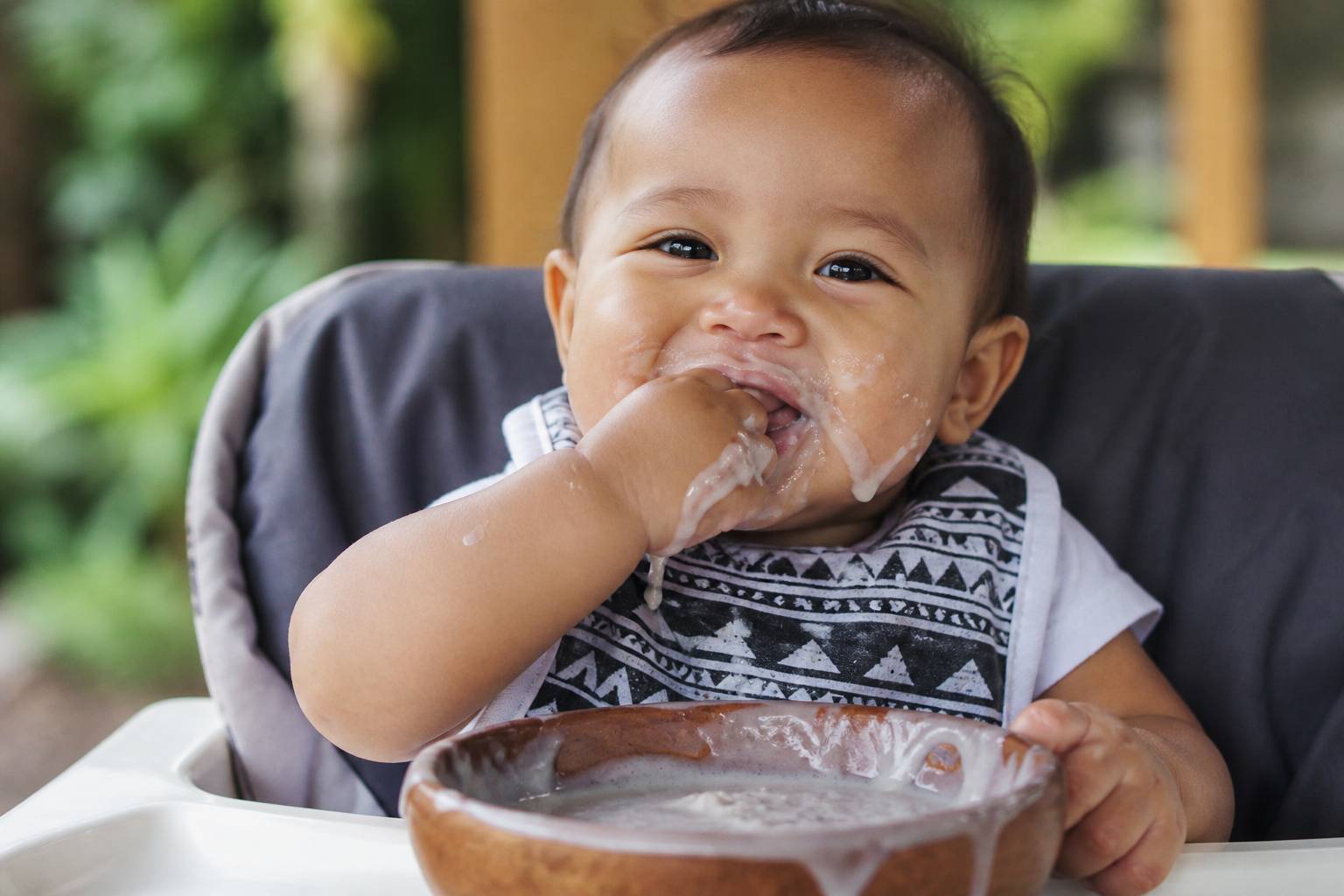
Introducing solid foods to your keiki (child) is one of the most significant and emotionally resonant milestones in their first year of life. For many parents, this transition from a liquid diet to solids comes with an overwhelming list of questions and anxieties: Is it easy to digest? Will it cause an allergic reaction? Is it actually nutritious enough for rapid development? In Hawaii, the answer to these questions has remained steadfast and unchanged for centuries: Poi.
At Waiahole Poi Factory, we believe in the profound wisdom of our ancestors and the restorative power of the land. Historically, poi has been regarded as the "gold standard" for a baby’s first solid food in Hawaiian culture, serving as the foundational building block for generations of healthy families. Because hand-pounded poi is crafted simply from steamed taro and water, it provides a pure, whole-food foundation for growth without the synthetic additives, preservatives, or fortified sugars found in many commercial boxed baby cereals. In this comprehensive guide, we explore why this traditional staple is still the superior choice for the next generation of islanders.
The Ultimate Hypoallergenic Starter Food for Infants
One of the primary concerns for modern parents when introducing solids is the ever-present risk of food allergies and sensitivities. Traditional grains like wheat, or even certain high-sugar fruits, can sometimes trigger inflammatory responses or allergic reactions in a developing immune system. This is where the unique biological properties of taro truly shine as a biological miracle.
Poi is world-renowned in the medical and nutritional communities for being extremely hypoallergenic. It is naturally 100% grain-free, gluten-free, and fat-free. Because it lacks the complex proteins and common allergens that often cause adverse reactions in infants, it serves as a safe and gentle "entry point" for solids. When you feed your baby poi from our original valley location, you are providing them with a clean, single-ingredient food that allows their immune system to thrive without unnecessary stress or the introduction of potential triggers.
Gentle on Developing Tummies and Digestive Tracts
A baby’s digestive system is incredibly delicate and is still in the process of learning how to effectively break down and process complex molecules. The starch granules found in taro are significantly smaller than those found in common substitutes like rice, corn, or potatoes. This microscopic size is a game-changer for infant nutrition, as it makes poi incredibly easy for a baby’s stomach to mechanically break down and chemically absorb.
In addition to being easy to swallow, poi is remarkably gentle on the gut lining. It has a long history of being used to soothe digestive issues in both infants and elders alike.
- Easy Assimilation: The simple, fine structure of taro starch means your baby spends significantly less metabolic energy on the taxing process of digestion and more energy on the vital tasks of growing and learning.
- Natural Comfort: The smooth, silky, paste-like consistency of freshly pounded poi is inherently comforting to infants and easy for them to manipulate with their tongues as they develop their motor skills.
- Probiotic Potential: As poi naturally ages and becomes "sour," it develops beneficial lactic acid bacteria—natural probiotics that can help build a resilient and healthy gut microbiome for your child right from the start.
A Nutritional Powerhouse for Keiki Growth and Development
Beyond its legendary digestibility, poi is packed with the essential nutrients and minerals that a rapidly growing keiki requires for healthy bone and brain development. It isn't just a "filler" or a simple starch; it is a calorically dense and nutritionally rich source of energy that supports every facet of early childhood health.
Disclaimer: The nutritional information provided above is for educational purposes based on traditional practices and general nutritional data. Always consult with your pediatrician before introducing new foods into your infant's diet to ensure they are meeting their specific developmental needs.
What the Community is Saying: Parents' Perspectives on First Foods
We love seeing parents bring their little ones to our outdoor picnic tables in the valley to experience their very first taste of taro. These moments are more than just meals; they are the start of a lifelong cultural connection. Here are some reflections from our community members:
"I made the conscious choice to start my son on Waiahole poi when he was 6 months old. He absolutely loved the smooth texture, and as a mother, I felt an immense sense of peace knowing he was eating something fresh, local, and culturally grounded rather than something processed from a box." — Leilani K., Google Reviews
"The best part about utilizing poi as a baby food is the sheer ease of it. It is incredibly light on their stomach but keeps them satisfied and happy between feedings. You can truly see the positive difference in their energy levels and their digestive health almost immediately." — Kaiulani, TasteAtlas
How to Safely Prepare and Introduce Poi for Your Keiki
Introducing poi to your baby is a simple and rewarding process, and the consistency can be easily customized as they grow and their palate begins to mature and develop.
- For Beginners (Approx. 6+ Months): Initially, mix fresh poi with a small amount of warm water, breast milk, or formula to create a very thin, liquid consistency that is easy to swallow. This helps the baby transition gradually from a purely liquid diet to the new world of solids.
- For Older Babies: As they become more comfortable with textures, you can serve the poi slightly thicker—often referred to as a "two-finger" consistency. Many parents also enjoy mixing in mashed local fruits like ripe bananas or papayas for added vitamins and a hint of natural sweetness.
- For Self-Feeders: When your child reaches the age of self-feeding, let them get messy! Traditionally, poi was eaten with fingers, and allowing your baby to touch, squeeze, and play with the poi is excellent for their sensory development and creates a joyful, positive association with their cultural heritage and healthy food.
FAQ: Frequently Asked Questions About Feeding Poi to Your Baby
1. At what exact age can I safely start giving my baby poi? Most pediatricians recommend starting the introduction of solids around 6 months of age. Because poi is famously hypoallergenic and so easy on the digestive tract, it is frequently one of the very first foods introduced to Hawaiian infants.
2. Should I give my baby fresh or sour poi for their first time? For a first-time experience, fresh poi is generally recommended because of its mild, slightly sweet, and nutty flavor profile. As your child’s palate grows, you can slowly introduce slightly sourer poi to provide them with the added benefits of natural probiotics.
3. Is the poi available at the Windward Mall location safe for babies? Yes, absolutely. Our Windward Mall location utilizes the exact same freshly sourced and prepared taro as our original valley site. It is prepared with the same cultural integrity, care, and total lack of additives.
4. Can introducing poi cause constipation in my infant? Typically, the natural dietary fiber content found in poi helps to regulate digestion and prevent constipation. However, as with any new food introduction, ensure your baby stays well-hydrated throughout the day.
5. How should I store leftover poi specifically for the baby? Fresh poi can be safely kept at room temperature. Simply place it in a bowl and add a thin layer of water over the top to prevent a hard crust from forming. It does not require refrigeration, as cold temperatures can significantly alter the texture and make it less palatable for some infants.
Giving Your Child a Healthy, Culturally Grounded Start
Choosing poi as a first solid food is a beautiful and meaningful way to connect your child to the land (‘āina) and the rich heritage of Hawaii. You aren't just feeding them a meal; you are nourishing them with a food that has sustained and strengthened generations of our people. At Waiahole Poi Factory, we are deeply honored to play a small but significant part in your family’s nutritional and cultural journey.
Start your baby’s journey with us today:
- View Our Fresh Traditional Menu
- Order Online for Pickup in Historic Waiahole Valley
- Learn More About Our Traditional 100-Year Hand-Pounding Proces