
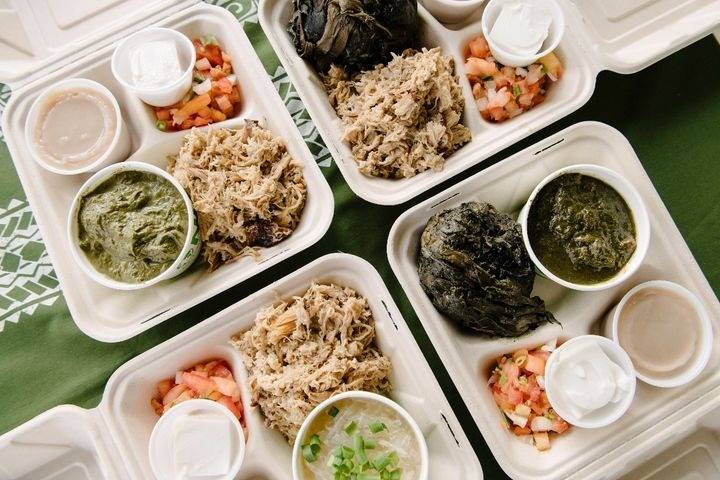
We’ve all been there: you visit the Waiahole Poi Factory and order a massive Kanaka Nui Plate, but your appetite couldn't quite keep up with the generous portions. Or perhaps you were strategic and picked up a few extra pounds of kalua pig and hand-pounded poi specifically to save for a rainy Kaneohe day. Whatever the reason, having leftovers is a win—but only if you know how to handle them.
Traditional Hawaiian food is legendary for its unique textures and deep, earthy flavors. However, because most of these dishes are prepared using ancient methods like underground steaming (imu) or natural fermentation, they are highly sensitive to temperature changes. If you’ve ever ended up with dry, stringy pork or a bowl of rock-hard, grainy poi, you know that a standard microwave session can be a disaster. To maintain the cultural integrity and deliciousness of your meal, follow this 100% accurate guide on the best ways to store and reheat your favorites.
The Golden Rule of Poi: Respect the Fermentation
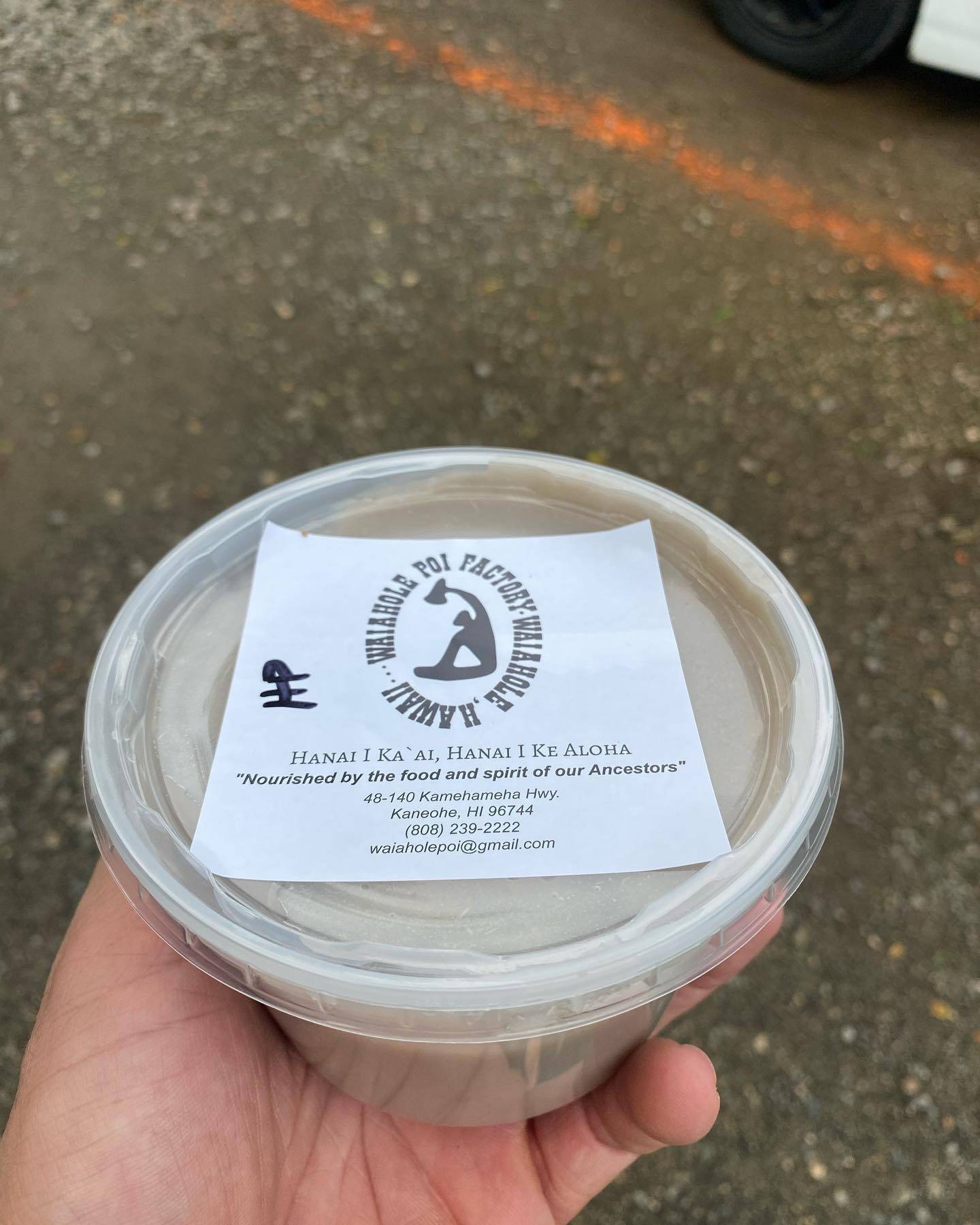
Poi is more than just a starch; it is a living food. When poi is placed in the refrigerator, the starch molecules undergo a process called retrogradation. This causes the poi to "set" and become firm, eventually turning into a cold, solid block that feels nothing like the smooth, elastic paste you enjoyed at our counter. If you try to eat it straight from the fridge, the texture will feel "broken" and gritty on the tongue.
Storing Your Poi Like a Pro
- The Water Barrier: This is the most important tip for longevity. If you have a half-eaten container of poi, use a spoon to smooth the surface until it is flat. Gently pour a very thin layer of water (about 1/8th of an inch) over the top before sealing the airtight lid. This creates a natural oxygen barrier that prevents a hard, dark "crust" from forming on the surface.
- Room Temperature vs. Refrigeration: In traditional Hawaiian households, poi was often kept in a bowl on the counter covered with a cloth. If you plan to finish your poi within 24–48 hours and you enjoy a slightly sharper, "sour" tang, leaving it in a cool spot on your counter is perfectly safe. However, for long-term storage (up to a week), the refrigerator is necessary.
Reheating Poi Without Ruining the Texture
- The Stove-Top Method (Highly Recommended): Place your cold poi in a small saucepan over the lowest heat setting possible. Add a teaspoon or two of water and stir constantly with a sturdy spoon. As the poi warms up, the starches will "relax," and the elasticity will return. Stop as soon as it is smooth; do not let it boil.
- The Microwave Hack: If you are in a rush, place the poi in a microwave-safe bowl and add a splash of water. Cover the bowl with a damp paper towel to create a mini-steam chamber. Heat in short 15-second intervals, stirring vigorously between each session. The moment the poi feels smooth and warm, it is done. Overheating will turn it into a sticky, unpalatable glue.
Kalua Pig and Laulau: Trapping the Steam
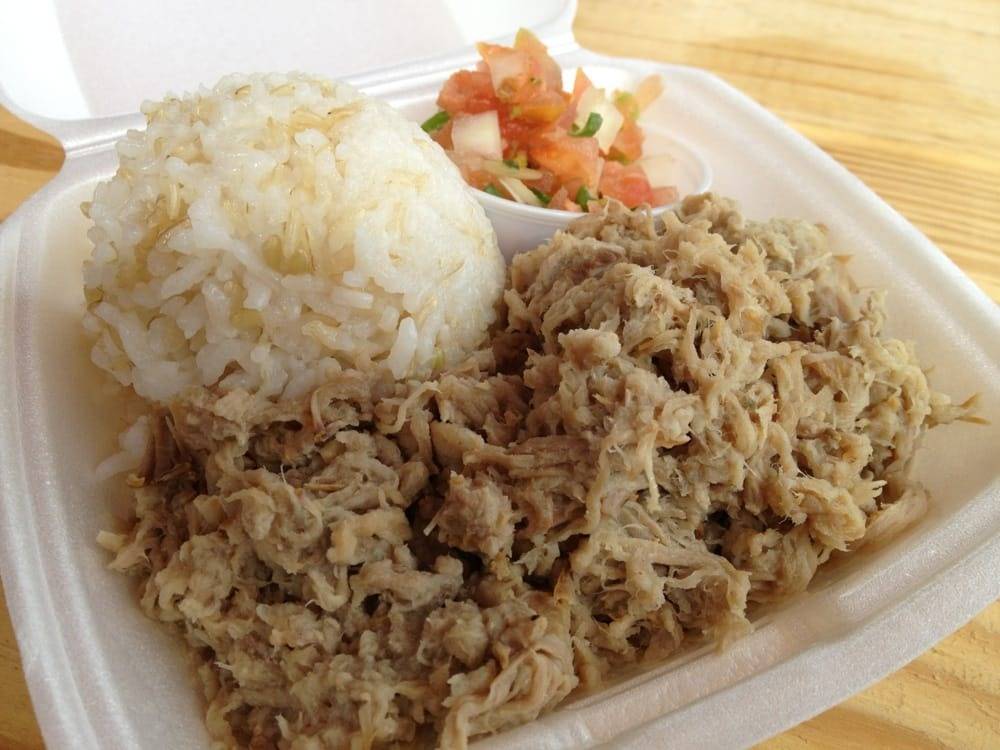
The secret to perfectly cooked kalua pig is the combination of rendered fat and trapped steam. When you move these proteins from the fridge back to the plate, your biggest enemy is evaporation. Once the moisture leaves the meat, the pork becomes "rubbery" and loses its signature smoky depth.
Proper Reheating for Kalua Pig
- The Skillet Method: For the best results, use a non-stick skillet over medium-low heat. Add your kalua pig and a tiny splash of water or a drop of neutral oil. Crucially, put a lid on the skillet. This forces the moisture back into the meat fibers. If you want a little "local style" crunch, you can remove the lid for the last 30 seconds to crisp up the edges.
- The Steamer Method: If you have a steamer basket, this is the gold standard. Steam the pork for 3–5 minutes. This is the most authentic way to restore the texture it had when it first came out of the imu at our original valley location.
Reviving Your Laulau
- Never Unwrap Early: This is a common mistake. Keep the ti leaves on! The leaves aren't just for decoration; they act as a natural pressure cooker that protects the pork, salt fish, and luau leaves inside.
- The Re-Steam: Steam the entire bundle for about 10–12 minutes. If using a microwave, wrap the entire ti-leaf bundle in a damp paper towel or place it in a sealed, microwave-safe bag with a few drops of water. This ensures the center of the laulau gets hot without the outer leaves drying out.
What the Community is Saying: Authentic Reviews
Our guests frequently travel from all over the island (and the world) to visit us, so we often hear about how well our food travels. Proper handling makes all the difference in the world!
"The food is consistently good and authentic. Even the leftovers the next day were delicious! The Kalua pig stayed moist and the squid luau is easily the best on the island. Just follow their reheating tips and it's like eating it fresh again." — Sarah M., Google Reviews (March 2026) | Source
"We always grab an extra pound of their hand-pounded poi to take home to the town side. Following their advice to add a little water on top kept it perfect for three days in our fridge. It didn't get that weird hard skin on top like the store-bought stuff does." — David L., Yelp Reviews (January 2026) | Source
The Dessert Secret: Bringing Kulolo Back to Life
If you took home a block of Kulolo or a Sweet Lady kit, you’ll notice that after a night in the fridge, it becomes incredibly hard—almost like a brick. Do not worry! This is simply because the high concentration of natural coconut milk fats has solidified in the cold.
To restore that "fresh from the steamer" fudgy texture, slice your portion of kulolo and microwave it for exactly 15 to 25 seconds (depending on the thickness). You will literally see the block soften as the coconut fats melt. It will transform from a hard, cold starch back into a soft, gooey, caramel-like treat. If you have haupia ice cream in your freezer at home, top the warm kulolo immediately for the ultimate DIY Sweet Lady experience.
Reheating Comparison Table for Quick Reference
Frequently Asked Questions (FAQ): Storing Your Feast
1. Can I freeze Hawaiian food for later? Yes, but be selective. Kalua Pig, Laulau, and Kulolo freeze beautifully. Wrap them tightly in plastic wrap and then a layer of foil to prevent freezer burn. They can stay in the freezer for up to 3 months. Poi, however, should never be frozen. The freezing process permanently destroys the cellular structure of the taro, leaving you with a grainy, separated mess that cannot be fixed by reheating.
2. How long does Lomi Salmon stay fresh? Lomi Salmon is best eaten fresh. Because it contains raw salted fish and fresh tomatoes, the salt will eventually draw all the moisture out of the vegetables, making them soggy. We recommend eating it within 24–48 hours. Always store it in the coldest part of your refrigerator.
3. My poi has a very strong "tangy" smell after three days. Is it spoiled? In most cases, no. What you are smelling is the natural fermentation process. As long as there is no visible mold (look for white, fuzzy spots or pink/green discoloration), the poi is simply maturing into "sour poi." Many locals prefer the flavor at this stage!
4. What is the best way to reheat Chicken Long Rice? Chicken Long Rice noodles act like sponges. If you leave them in the fridge overnight, they will soak up all the delicious ginger broth. When reheating, you must add more liquid (chicken broth or water) otherwise you will end up with a dry noodle cake.
5. Are the reheating instructions the same for food from the Windward Mall location? Absolutely. Whether you visit our Windward Mall spot or our valley kitchen, the food is prepared using the same traditional methods and requires the same care to reheat.
Enjoy the Taste of Waiahole Any Time of Day
Taking the time to store and reheat your meal properly is a sign of respect for the food and the effort that went into making it. Whether you are sneaking a midnight snack of kulolo or planning a full second-day lunch for the family, these 100% accurate traditional tips will keep your food tasting like it was just served off the pounding board.
Stock up on your favorites today:
- Explore Our Full Menu of Traditional Plates
- Order Online for Pickup - Valley Location
- Order Online for Pickup - Windward Mall
- Learn the History of Our 100-Year-Old Factory