The final hours of a spectacular vacation on Oahu often follow a predictable, stressful routine. You rush through rental car drop-offs, clear airport security check lines, and find yourself browsing the brightly lit, sterile shelves of a terminal gift box store. Desperate to find mementos for loved ones back home, you settle for mass-produced plastic flower leis, imported keychains, and generic factory-baked shortbread cookies. These commercial trinkets strip away the true spirit of the islands. The ultimate antidote to this generic tourist trap is choosing to explore the slow-paced, creatively vibrant Windward Coast instead.
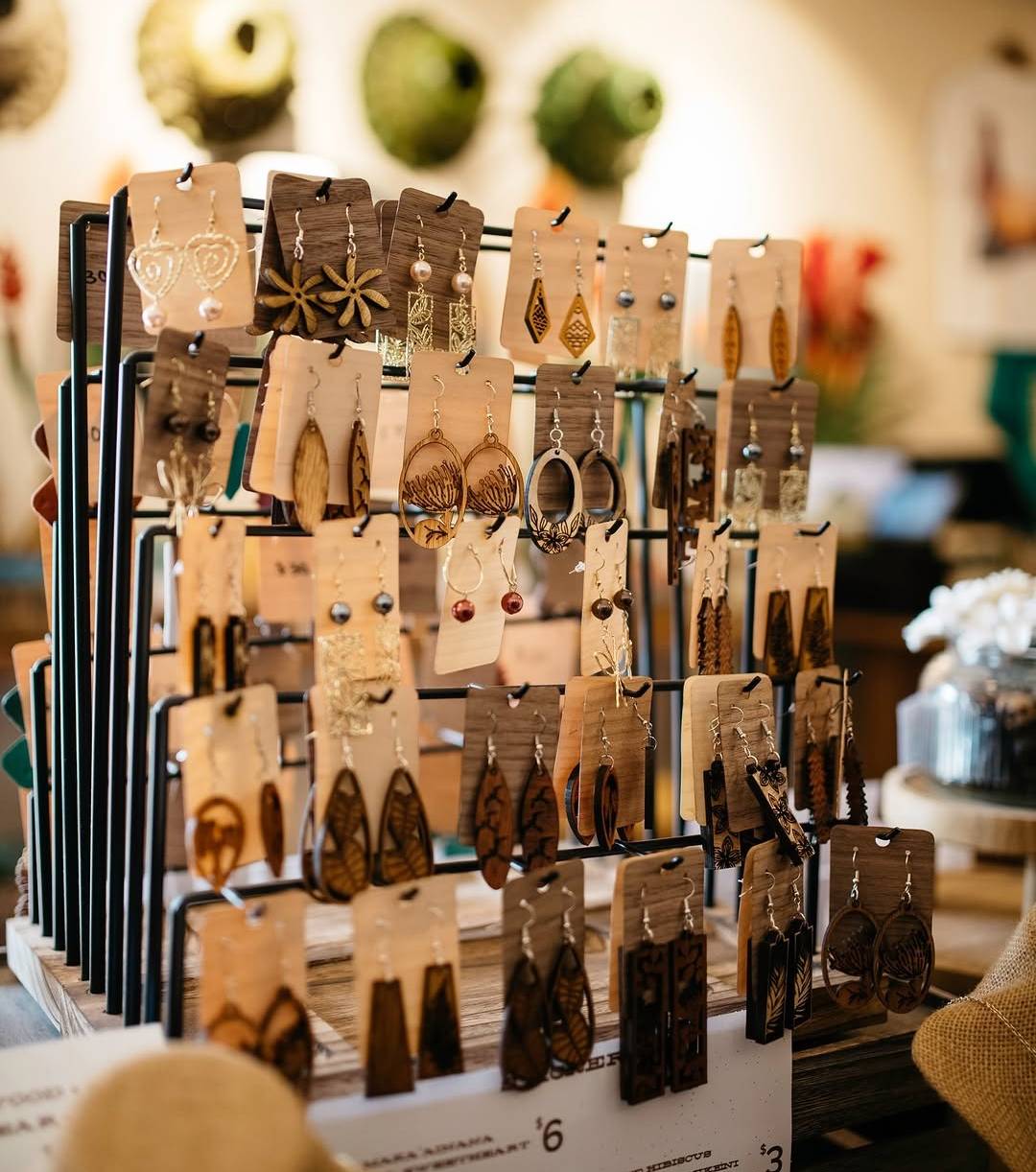
The rural communities tucked between the dramatic Koʻolau Mountains and the sea are home to multi-generational woodworkers, independent mahi‘ai (farmers), and dedicated cultural practitioners. At Waiahole Poi Factory, our historic 1904 building does far more than serve the finest traditional Hawaiian food on the island—it functions as a living preservation hub for native craftsmanship. By choosing to shop directly along the coastline rather than waiting for the airport terminal, you walk away with genuine treasures that tell a story of cultural heritage while keeping your vacation dollars embedded within the local economy.
The Anatomy of a Genuine Treasure vs. Airport Junk
Distinguishing between mass-produced commodities and true, culturally respectful souvenirs requires a basic understanding of materials and supply chains. True Hawaiian art form lineages are defined by a deep connection to mālama ‘āina (caring for the land and its resources), utilizing materials that are sustainably harvested directly from the island ecosystem.
Understanding where and how an item is manufactured completely changes its value as a gift.
The Material Comparison Matrix
Top Authentic Treasures to Look For Along the Highway
If you are mapping out your final summer road trip down the Kamehameha Highway on your way to a beach day at Kualoa Regional Park, keeping an eye out for these specific artisan categories ensures you collect gifts with real soul.
1. Hand-Turned ‘Umeke (Wooden Bowls)
The circular wooden bowl, or ʻumeke, holds a sacred position in traditional life, historically used to store and serve precious starches like hand-pounded poi. Windward turners carefully salvage fallen or cleared island timber—such as monkeypod, milo, or highly coveted koa—and turn them into smooth, grain-forward works of art. Each bowl features unique visual stretch marks and natural wood knots shaped entirely by the windward rain and soil, making it a completely irreplaceable heirloom.
2. Small-Batch Culinary Provisions
The best way to share the experience of island living is through flavor. Instead of corporate macadamia nut packages, load your suitcases with artisan pantry provisions crafted by neighborhood creators. Look for coarse Hawaiian sea salt infused with red volcanic clay (alaea), which replenishes vital minerals, or small-batch hot sauces. Our own house-made Chili Pepper Water is a legendary local favorite, offering a clean, vinegar-based heat that instantly elevates home-cooked proteins, soups, and rice dishes with a splash of true island identity.
3. Functional Kalo Culture Gear
For those who want to bring a piece of deep cultural history back to their home kitchen, look for authentic tools used to process taro. Local stone carvers spend hours hand-shaping dense basalt river stones into functional pōhaku ku‘i poi (stone pounders). Paired with a solid wooden papa ku‘i poi (pounding board) carved from native timber, these tools are built to endure for generations, allowing you to practice traditional food preparation techniques anywhere in the world.
The Economic Impact: Where Your Dollars Actually Land
When you purchase a souvenir inside an airport terminal, the vast majority of that financial transaction leaves the state, filling the bank accounts of multi-national corporate concession conglomerates and international manufacturing companies. The local artisan who inspired the concept rarely sees a dime of that profit.
[Airport Purchase] ➔ Corporate Concessionaire ➔ International Factory ➔ Wealth Leaves Hawaii
[Windward Purchase] ➔ Independent Artisan ➔ Local Family/Farm ➔ Wealth Stays in Hawaii
Choosing to buy directly from creators inside our original historic valley location creates an entirely different economic loop. Your purchase directly funds the independent woodworker who spent days sanding a single bowl, the small-scale farmer growing the chili peppers along the highway, and the preservation groups maintaining the valley's ancient ‘auwai irrigation systems. It transforms a casual transaction into a meaningful act of cultural protection, ensuring that these artistic lineages can be successfully passed down to the next generation of creators.
FAQ: Common Questions About Island Souvenir Shopping
1. Will hand-carved wooden bowls pass through airport TSA agricultural checks? Yes! As long as the wooden bowls, utensils, or papa boards are completely finished, smoothed, and sealed with a clear food-grade oil, they are perfectly legal and safe to bring through standard federal airport agricultural screening checkpoints into the mainland.
2. Can I bring bottles of house-made Chili Pepper Water in my carry-on luggage? No. Because our liquid provisions are bottled in sizes larger than 3.4 ounces, they cannot go through the main TSA carry-on security checkpoints. You must securely wrap the bottles in clothing or bubble wrap and pack them safely inside your checked luggage.
3. Are the artisan provisions available for online ordering ahead of time? Yes! To ensure a seamless pickup on your final race to the airport, you can add our signature bottled provisions, local sea salts, and traditional sides directly to your digital cart when ordering online from our historic valley counter or our Windward Mall location.
4. How can I verify that a piece of woodwork is genuinely made in Hawaii? Look closely for the artisan's signature, signature engraving, or the specific wood variety label carved directly into the base of the item. Authentic windward creators take immense pride in signing their work and identifying the specific valley where the timber was sourced.
5. How should I care for my native wood souvenirs once I get home? To prevent the dry mainland climates from cracking your native timber, never place hand-carved bowls in a dishwasher or microwave. Simply hand-wash with mild soap, dry immediately, and wipe the wood down occasionally with a light coating of standard mineral oil to maintain its brilliant luster.
Take Home a Real Piece of the Valley
Your connection to Oahu should not dissolve the moment you board your flight home. By choosing to step off the beaten tourist path, pull into our shaded valley parking lot, and support the incredible network of independent creators showcasing their work inside our historic space, you take home a living piece of our cultural ecosystem. Skip the plastic airport trinkets this summer. Come pull up a seat at Waiahole Poi Factory, treat your family to a fresh plate of Kalua Pig and a cold scoop of our famous Sweet Lady dessert, and find a hand-crafted treasure that carries the true, unadulterated spirit of Aloha.
Discover authentic island provisions today:
- Explore Our Complete Takeout Menu of Traditional Staples and Sides
- Place an Online Order for Fast Takeout and House-Made Bottled Goods
- Learn More About the 100-Year Retail History of Our Country Store Building