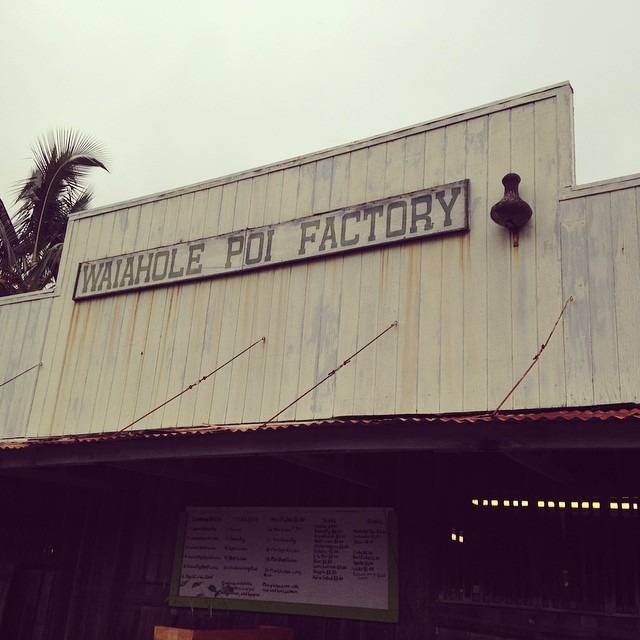
When you drive along the lush, winding roads of the Windward Coast and pull into the gravel lot of the Waiahole Poi Factory, you aren’t just arriving at a restaurant. You are stepping onto a piece of living history that has anchored the Waiahole Valley community for over a century.
The weathered wooden exterior, the iconic red-and-white signage, and the steam rising from the kitchen carry the stories of generations. To truly appreciate the "Hawaiian Traditions in Every Bite," one must first understand the foundation upon which those traditions were built.
A Landmark Since 1904: The Roots of the Valley
The story of the Waiahole Poi Factory building begins in 1904. Originally constructed as a functioning industrial poi factory to process the abundant taro (kalo) grown in the surrounding valley, the building was a hub of agricultural activity.
In the early 20th century, Waiahole Valley was one of the most productive taro-growing regions on Oahu. The building served as the vital link between the farmers in the lo‘i (wetland patches) and families across the island who relied on poi as their primary starch. For nearly 70 years, the mechanical hum of the factory was the heartbeat of the valley.
The 1971 Transition: From Industry to Art
By 1971, the industrial factory was slated for closure. However, the legacy of the building was saved by Charlene and Calvin Hoe, who took over the lease. Rather than letting the historic structure fall into disrepair, they breathed new life into it by transforming it into a Native Hawaiian art gallery.
Throughout the 1970s and 80s, the "factory" became a sanctuary for local potters, woodworkers, and painters. This era was crucial—it shifted the building’s purpose from mass production to cultural preservation. It wasn't just about the food anymore; it was about protecting the soul of Waiahole.
The Return to the Root: 2009 to Today
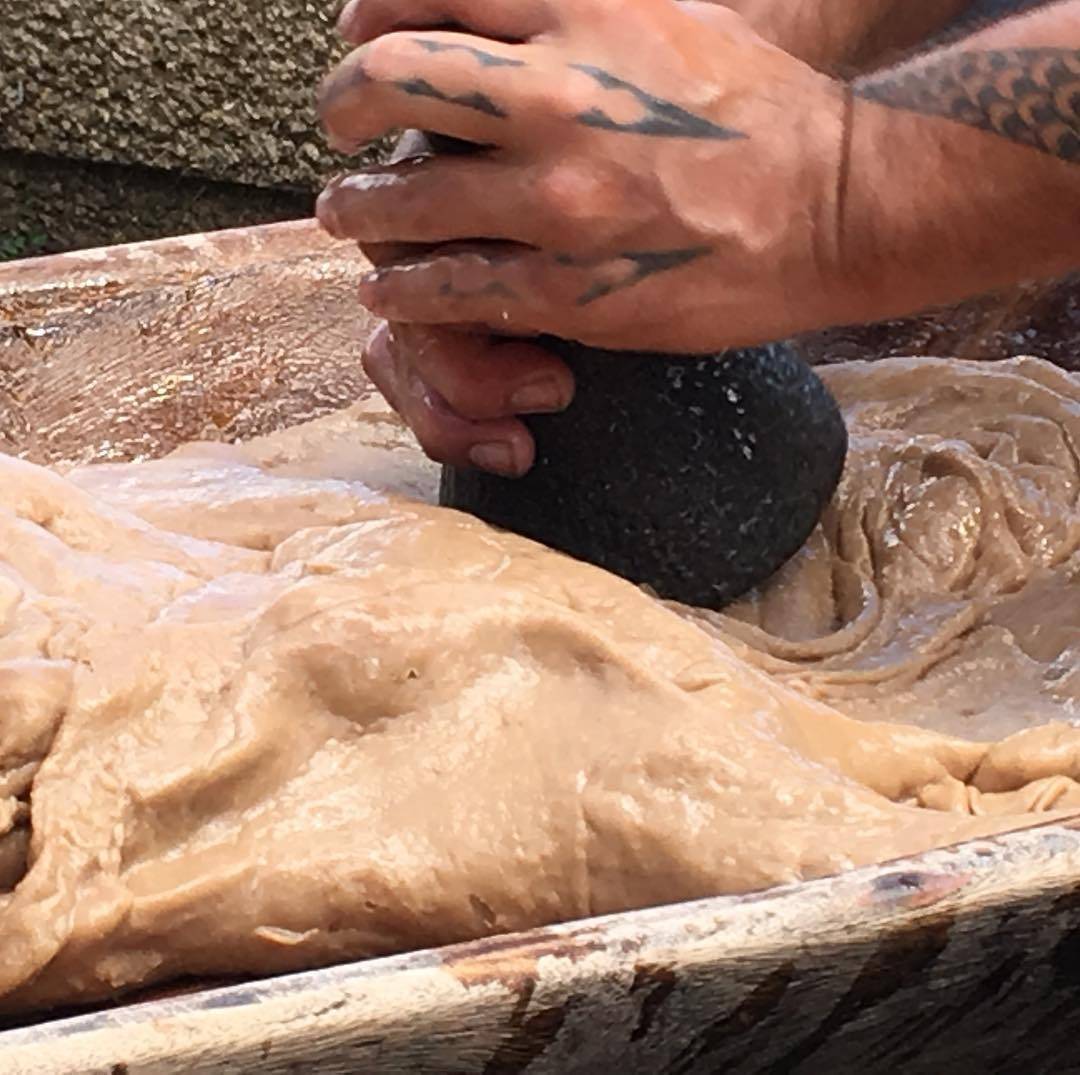
In 2009, the Hoe family, led by their son Liko Hoe, made the decision to bring the building back to its original purpose—feeding the people. However, they did so with a twist. Instead of returning to the industrial machines of the 1900s, they returned to the stone and board.
Today, you can often see Liko or his team in front of the factory, rhythmically pounding steamed taro into hand-pounded poi (pa‘i‘ai) using traditional lava rock pestles.
Historic Timeline vs. Modern Experience
Voices from the Valley: Authentic Guest Reviews
Don't just take our word for it—here is what recent visitors have to say about the "Waiahole Vibe":
“Super authentic and delicious Hawaiian food. Poi was fresh and perfect (although wish it was room temperature). Lau lau had lots of leaves and meat. Kalua pig and lomi salmon were good (try mixing them together). Haupia (coconut jello) was super creamy and not too sweet. Will definitely be back.” - Tim Wong , Google Review
“Waiahole Poi Factory, a local favorite and hidden gem, was a must-visit during our O'ahu trip. There was a small parking lot, but you could also park on the side of the street. When we arrived, the line was long. Despite the long line, it moved quickly, highlighing its popularity among locals and tourists. All food is ordered to-go, but there are a few tables and chairs to dine on-site. The restaurant's no-frills atmosphere belies its cleanliness and efficient internal system, with all doors and windows open for full transparency.” - Carmen and Raymond, Google Review
The "History Hunter" Checklist
Next time you visit us in Waiahole Valley, see how many of these historic details you can spot!
Scoring Guide:
- 1-2 Points: Casual Visitor
- 3-4 Points: History Buff
- 5 Points: Waiahole Expert!
- The Vintage Signage: Our hand-painted red signs have been a landmark for over a century.
- The Open Window: Notice the traditional "take-out" style window—a nod to the building's days as a community hub.
- The Stone Tools: Spot the pōhaku (stone pestles) used for hand-pounding.
- The Outdoor Seating: Sit at the picnic tables and feel the same valley breeze that cooled farmers in 1904.
- The Mountain Backdrop: Look up at the Waiahole peaks—these mountains provide the water that grows our taro.
Why This Building is a "Must-Stop" on Your Oahu Itinerary
If you are planning a drive to Kualoa Ranch or a trip around the North Shore, the Waiahole Poi Factory is the perfect halfway point. Unlike the polished, modern shopping centers in Honolulu, our building offers an unvarnished, authentic look at Hawaii’s rural past.
You can sit at our outdoor wooden tables, feel the cool valley breeze, and eat the same staples—Laulau, Kalua Pig, and Squid Luau—that have been served on these islands for generations.
FAQ: Common Questions About Our Historic Building
1. Is this the original building from 1904?
Yes. While we have performed essential maintenance to keep the structure safe, the core architecture remains the same as it was over a century ago.
2. Why is it called a "Factory" if you pound the poi by hand?
We kept the name as a tribute to its 1904 origins. It serves as a reminder that while we have the building of a factory, we have the heart of a traditional kitchen.
3. Who owns the Waiahole Poi Factory now?
The Hoe family has managed the building and its legacy since 1971. Today, Liko Hoe leads the team in preserving these traditions.
4. Can I buy art there still?
While we are now primarily a restaurant, our Country Store features locally made items and reflects the artistic spirit of the 1970s gallery era.
5. Is the building haunted?
Locals say the building is full of "Mana" (spiritual power). It feels peaceful and grounded, reflecting the generations of families who have worked within its walls.
6. Where is the best place to sit?
The outdoor picnic tables under the shade are the best. You get to watch the world go by on Kamehameha Highway while enjoying the view of the mountains.
7. Is the Windward Mall location historic too?
Our Windward Mall location is a modern expansion. It doesn't have the 1904 walls, but it serves the exact same historic recipes!
Experience a Living Legend
Experience the history of Hawai‘i for yourself. Whether you are stopping by for a quick bowl of poi or staying for a full Hawaiian plate lunch, you are becoming a part of the Waiahole story.
Plan your visit today: