
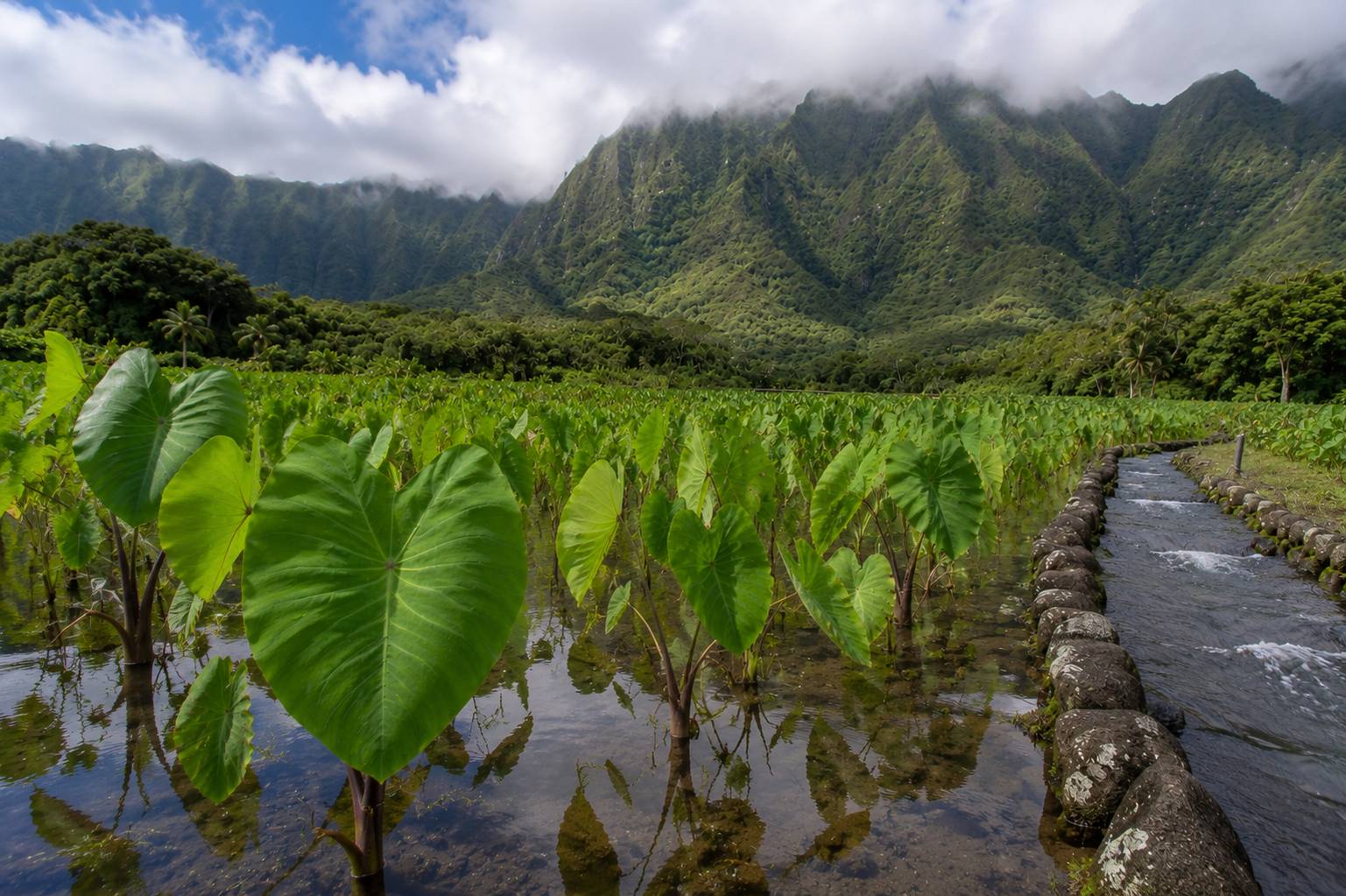
Step into the knee-deep mud of a windward taro patch during the peak of the dry season, and you will instantly feel the intense, vibrating energy of a valley in maximum production. The peak sun hours of the year trigger an incredible growth spurt across the fields, but that rapid development brings a high-stakes race against the elements. For the independent mahi‘ai (farmers) of Waiahole, the hot weather transforms farming from a solitary occupation into a massive, highly collaborative community sprint to protect the island's water resources. At Waiahole Poi Factory, our daily commitment to preserving traditional Hawaiian food links our kitchen directly to these demanding seasonal cycles.
Operating inside a landmark structure built back in 1904, we process fresh kalo (taro) that is deeply influenced by these intense summer months. Summer in the valley is not just a season of growth; it is a critical operational period where ancient water-management techniques, backbreaking field maintenance, and community volunteer traditions converge. This deep-dive guide explores how the peak summer season impacts the cultivation of our most sacred crop and shapes the timeless agricultural traditions of Waiahole.
The Environmental Engine: How Summer Climate Accelerates Kalo Growth
Taro is a highly sensitive, water-loving plant that reacts dramatically to environmental shifts. The arrival of the summer solstice introduces two powerful catalysts to the valley: maximum daily sunlight hours and consistently high ambient temperatures averaging between 29°C and 31°C.
When these conditions interact with the natural topography of the windward ridges, they create an optimal greenhouse environment that accelerates the plant's metabolic lifecycle.
The Anatomy of Summer Kalo Acceleration
- Rapid Leaf Expansion: The intense summer solar radiation fuels rapid photosynthesis. The signature heart-shaped leaves (lau) of the taro expand to maximum capacity, capturing sunlight to pump natural starches down into the underground root system.
- Root Condensation: As the upper foliage flourishes under the sun, the underground corm (kalo) begins to dense up, absorbing vital trace minerals from the volcanic mud and developing its signature nutty, rich flavor notes.
- Weed Proliferation: The combination of intense heat and constant water flow causes aggressive tropical weeds to thrive alongside the crops, demanding immediate, labor-intensive intervention from farmers to protect the fields.
The Vital Hydrology: Managing the 'Auwai Under the Sun
Because summer temperatures run exceptionally high, the primary challenge for a valley farmer is maintaining water temperature. If the water inside a lo‘i (flooded taro patch) becomes stagnant or rises above a critical temperature threshold, the crop faces the threat of "root rot"—a devastating fungal disease that can destroy an entire field.
To combat this, the agricultural community relies entirely on the architectural genius of the ancient ‘auwai irrigation system.
[Mountain Stream Source] ➔ [Po‘owai Dam] ➔ [Rapid Summer 'Auwai Flow] ➔ [Cool Lo‘i Patches] ➔ [Stream Return]
During the dry summer months, farmers gather collectively along the highway and mountain trails to clear debris, repair stone walls, and optimize the po‘owai (head dams). This collective maintenance ensures a rapid, continuous volume of fresh, cold mountain water flows through the channels. This constant circulation oxygenates the soil, lowers the mud temperature, and insulates the delicate roots from the scorching midday heat, paving the way for the high-quality taro used to craft our daily hand-pounded poi.
Summer Agricultural Tasks: The Seasonal Workflow Matrix
The lifestyle of a mahi‘ai (traditional farmer) changes significantly between the winter rainy period and the dry summer season. The focus shifts entirely away from heavy planting toward precision resource protection, crop monitoring, and communal maintenance.
The Valley Farmer's Seasonal Workflow Matrix
The Tradition of Laulima: Community Workdays
Because the summer workload increases alongside the accelerating plant growth, taro farming can never be accomplished by an individual working in isolation. It requires a profound cultural tradition known as laulima—which translates to "many hands working together."
For centuries, summer weekends in Waiahole Valley have been defined by these community workdays. Families, neighbors, and volunteers from all across the island gather at dawn to step into the cool, knee-deep mud of the lo‘i. Together, they spend hours pulling aggressive weeds, reinforcing the ancient stone embankments, and harvesting mature taro corms.
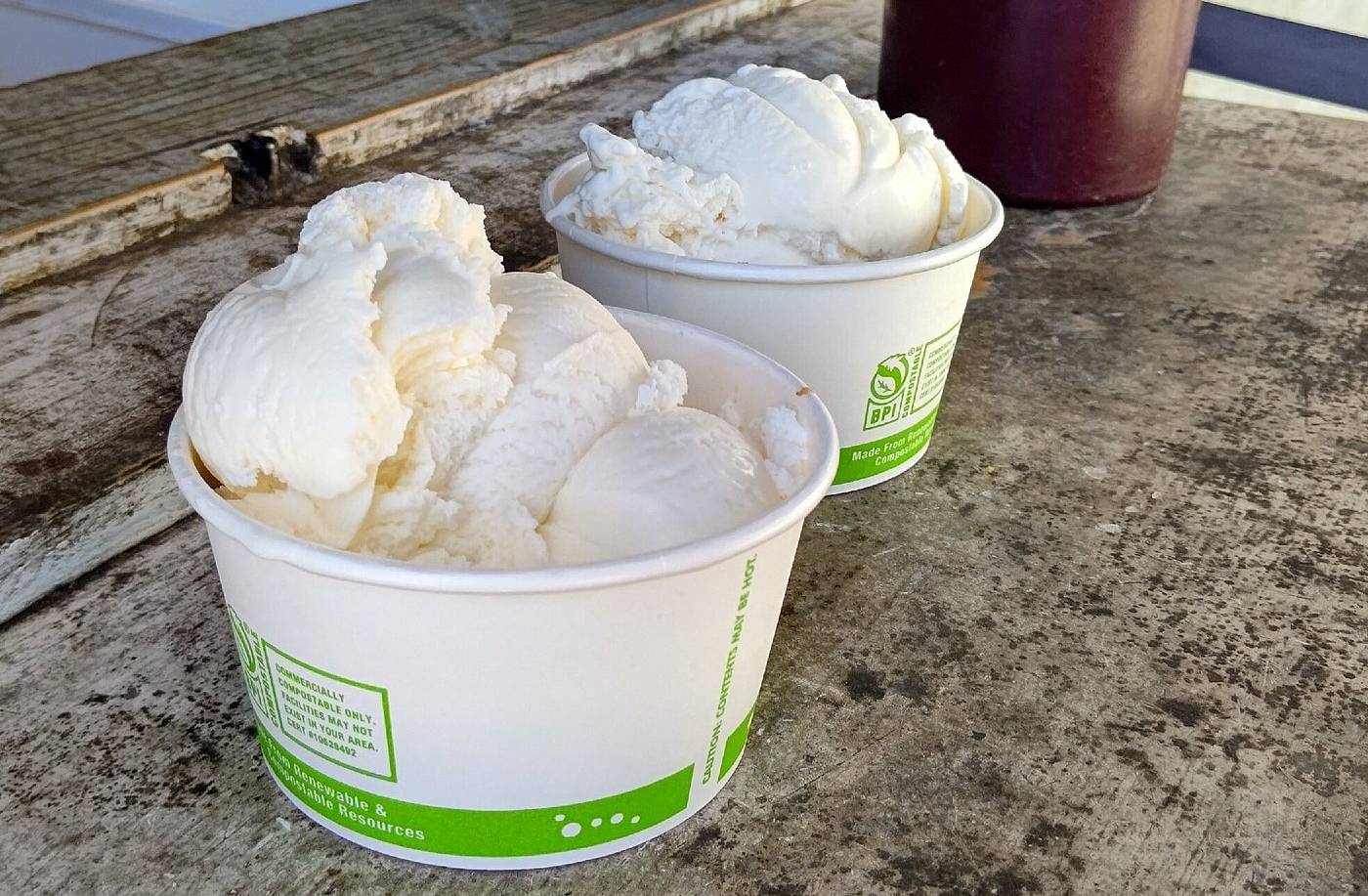
This shared physical labor is a foundational pillar of community wellness, ensuring that the agricultural infrastructure remains strong. At the end of a long, hot morning in the mud, the ultimate reward is a communal gathering at our outdoor tables to enjoy a fresh Hawaiian food plate and a cold scoop of our famous Sweet Lady dessert.
FAQ: Frequently Asked Questions About Summer Taro Farming
1. Does taro grow completely year-round in Hawaii? Yes, Hawaii’s tropical climate allows for year-round cultivation. However, the plant's growth velocity accelerates significantly during the summer months due to increased daylight and warmth, whereas winter growth slows down during the cooler, rainy periods.
2. How long does a single taro plant take to reach maturity for harvesting? Depending on the specific variety of kalo and the valley's exact microclimate, it typically takes between 10 to 14 months of continuous growth for a taro plant to produce a mature, harvestable corm suitable for hand-pounding.
3. Is the taro at Waiahole Poi Factory sourced entirely from the valley? We prioritize sourcing our taro directly from the independent mahi‘ai farming within the historic Waiahole Valley ecosystem. To meet the high summer demand of our Windward Mall location and valley counter, we also partner with trusted traditional farmers across the island chain.
4. Can visitors volunteer or participate in these summer community workdays? Yes! Various cultural non-profits and agricultural preservation groups in the valley host regular public community workdays throughout the summer. It is an exceptional way for visitors to practice mālama ‘āina (caring for the land) firsthand.
5. How does the summer harvest affect the flavor of the poi? The increased solar energy during the summer months allows the taro to concentrate its natural starches and sugars. This results in a highly dense corm that yields a remarkably smooth, velvety, and naturally sweet profile when hand-pounded using a traditional stone pōhaku.
Taste the Abundance of the Summer Harvest
The lush, vibrant beauty of Waiahole Valley during this season is the direct result of a timeless partnership between natural tropical elements, ancient engineering, and dedicated community hands. When you enjoy a bowl of fresh, sour poi at our counter, you are tasting more than just an agricultural product—you are experiencing the culmination of summer sunshine, freezing mountain streams, and the enduring spirit of laulima that defines the windward lifestyle. Take a drive down the highway, witness the green valleys in full bloom, and pull up a seat at Waiahole Poi Factory to share in the seasonal abundance of our home.
Experience our summer agricultural heritage today:
- Explore Our Full Menu of Traditional, Farm-Fresh Hawaiian Dishes
- Place an Online Order for Fast Takeout on Your Next Road Trip
- Discover the Century-Long History of Our Land and Building