
.jpg)
In the heart of Oʻahu, the Hawaiian plate lunch stands as more than just a meal—it is a living story of cultural resilience, plantation ingenuity, and the profound aloha spirit that defines island life. For tourists stepping off the plane, food enthusiasts chasing authentic flavors, and visitors yearning for a genuine taste of Hawaiʻi, this iconic dish offers a complete sensory journey. At its best, a traditional Hawaiian plate lunch masterfully balances savory proteins, salty starches, creamy contrasts, and sweet finishes, creating harmony on one plate.
Waiāhole Poi Factory has been perfecting this balance for generations, drawing from deep roots in Waiahole Valley. Here, time-honored methods meet fresh, locally sourced ingredients to honor Native Hawaiian traditions while welcoming everyone to the table.
A Brief History: From Plantation Fields to Island Tables

A Hawaiian couple making poi,” c. 1900–1923, photographic print (Library of Congress, Washington, D.C.)
The origins of the Hawaiian plate lunch trace back to the late 19th and early 20th centuries, during Hawaiʻi’s sugar and pineapple plantation era. Workers from Japan, China, Portugal, the Philippines, Korea, and Native Hawaiian communities labored side by side. They shared lunches from bento boxes and improvised meals, blending traditions into something uniquely local.
What began as practical, filling food for hard-working hands evolved into the standardized format we know today: a generous protein, two scoops of rice, macaroni salad or traditional sides, and often a sweet element. This “mixed plate” reflected the islands’ multicultural fabric—savory Hawaiian kalua pork alongside Japanese-inspired flavors or Filipino influences, all anchored by comforting starches.
At Waiāhole Poi Factory, we stay close to those roots. Our plates emphasize pre-plantation Hawaiian staples like poi from local taro, laulau steamed in taro leaves, and kalua pork slow-cooked with Hawaiian sea salt. This isn’t fusion for novelty’s sake; it’s preservation through everyday enjoyment.
For a scenic road-trip experience immersed in valley tranquility, visit our historic Waiahole Valley location. For convenient town dining, weeknight dinners, or quick office catering, our Windward Mall food court spot delivers the same authentic flavors with extended hours.
The Foundation: Starches That Ground the Meal
No Hawaiian plate lunch is complete without its starches, which provide the comforting base and help balance bolder flavors.
Two Scoops of Rice: Medium-grain Calrose rice, steamed to perfect stickiness, serves as the canvas. It soaks up savory juices from proteins and offers neutral energy—a nod to Asian influences that fueled plantation workers.
Poi: The true soul of traditional Hawaiian cuisine. Made from steamed and pounded taro root (kalo), poi is a silky, mildly tangy paste with deep cultural significance. Taro cultivation dates back over a thousand years in Hawaiʻi, symbolizing sustenance and connection to the land. Fresh poi from Waiāhole Poi Factory—milled or hand-pounded—pairs beautifully with salty meats, tempering richness while adding subtle sweetness as it ferments naturally.
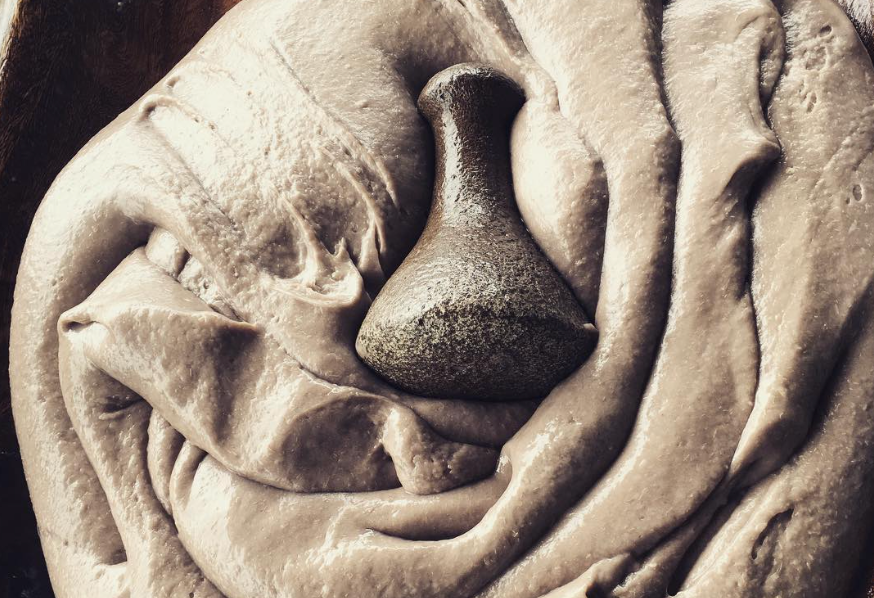
Many visitors try poi for the first time here and discover its versatility. Start with fresher, sweeter batches alongside kalua pork for an ideal introduction.
Savory Proteins: The Heart of the Plate
The protein is the star, delivering deep umami and smoky satisfaction that defines the savory core.
Kalua Pork: Slow-cooked for hours (traditionally in an imu underground oven with hot stones and leaves), this shredded pork is seasoned simply with Hawaiian sea salt. The result is fall-apart tender, subtly smoky, and profoundly savory. It embodies luau celebrations but fits perfectly in everyday plates.
Laulau: Bundles of pork (and often butterfish) wrapped in taro (luau) leaves and ti leaves, then steamed until the leaves become silky and the meat melts. The earthy, vegetal notes from the leaves balance the richness of the filling—an ancient technique still perfected daily at our kitchen.
Other traditional Hawaiian dishes include beef luau (braised beef with taro leaves), squid luau, or chicken long rice—a light, ginger-infused broth with glass noodles that adds comforting savoriness.
These proteins bring the bold, meaty foundation, demanding balance from other elements.
Salty and Refreshing Sides: Contrast and Harmony
Balance comes alive in the sides, where saltiness meets brightness.
Lomi Salmon: A refreshing Hawaiian ceviche-like salad of salted salmon, diced tomatoes, onions, and sometimes green onions. The cool, acidic crunch cuts through fatty proteins, cleansing the palate with every bite.
Macaroni Salad: A creamy, mayonnaise-based side that’s softer and simpler than mainland versions. It provides a mild, cooling counterpoint—Western influence embraced fully in local style.
These salty-refreshing elements prevent the plate from feeling heavy, creating dynamic interplay with savory mains.
The Sweet Finish: Completing the Circle
No perfect plate lunch ends without sweetness to round out the experience.
Haupia: Coconut milk pudding thickened traditionally and cut into firm squares. Its light, milky sweetness offers a gentle close, echoing Native Hawaiian use of coconut.
At Waiāhole, you might also encounter kulolo (taro-coconut pudding) or our signature Sweet Lady of Waiahole desserts, providing that final harmonious note.
This progression—savory to salty to sweet—mirrors the natural rhythm of a satisfying meal, leaving you content yet craving the next visit.
How Flavors Work Together in a Traditional Hawaiian Plate Lunch
The magic lies in intentional contrasts:
- Savory proteins provide depth and satisfaction.
- Salty elements (sea salt, fermented notes in poi) enhance and excite.
- Creamy/cooling sides (mac salad, lomi salmon) refresh.
- Sweet finishes reset the palate and evoke contentment.
This balance isn’t accidental. It evolved to fuel workers while delighting the senses, and it continues to define traditional Hawaiian dishes today.
Here’s a breakdown of a classic plate composition:
This table illustrates how each part contributes to a cohesive, balanced experience—essential for understanding why Hawaiian plate lunch endures.
Crafting Your Perfect Plate at Waiāhole Poi Factory
Whether you’re building your first traditional Hawaiian plate lunch or a returning local, our menu makes it simple. Start with a Single Plate or go big with the Kanaka Nui (“The Works”)—laulau, kalua pig, chicken long rice, plus beef or squid luau, rice or poi, lomi salmon, and haupia.
For scenic, sit-down vibes or a memorable road trip: Head to our original Waiahole Valley spot. Surrounded by mountains and valley serenity, it’s ideal for slowing down and savoring.
For convenience in town: Our Windward Mall location offers easy access for quick lunches, weeknight dinners, or catering—perfect when time is short but quality can’t be compromised.
Explore our full traditional Hawaiian food menu and mix proteins to suit your taste. Newcomers often love starting with kalua pig and poi; adventurous eaters dive into squid luau.
Beyond the Plate: Cultural Respect and Tips for Visitors
Approaching Hawaiian cuisine with respect deepens the experience. Poi is not “just purple paste”—it’s a sacred staple. Eat it with the salty proteins as intended. Ask questions; our team loves sharing stories of taro farming and family recipes.
Portions are generous—designed for sustenance. Share plates or take leftovers for a beach picnic. Pair your meal with simple drinks like mamaki tea to stay true to island simplicity.
For food enthusiasts, consider how these dishes connect to broader Hawaiian values: sustainability (local taro), community (shared plates), and gratitude (aloha in every serving).
Why Waiāhole Poi Factory Delivers the Authentic Experience
In a world of shortcuts, we commit to tradition: taro pounded or milled fresh, pork slow-smoked for hours, leaves wrapped by hand. Our two locations ensure you can access this heritage whether exploring the windward side’s natural beauty or needing a reliable stop in Kāneʻohe.
This dedication has made us a destination for those seeking real traditional Hawaiian dishes amid Oʻahu’s vibrant food scene.
Ready for Your Perfect Plate?
The anatomy of a perfect Hawaiian plate lunch reveals more than ingredients—it uncovers layers of history, balance, and cultural pride. From the first savory bite of kalua pork to the final sweet haupia, each element works in concert to create lasting memories.
Come experience it yourself. Visit us in Waiahole Valley for that scenic escape or at Windward Mall for everyday convenience. Order online through our Toast portal for seamless pickup or catering.
Order Now via Toast Online Ordering and bring the authentic taste of Hawaiʻi home.