
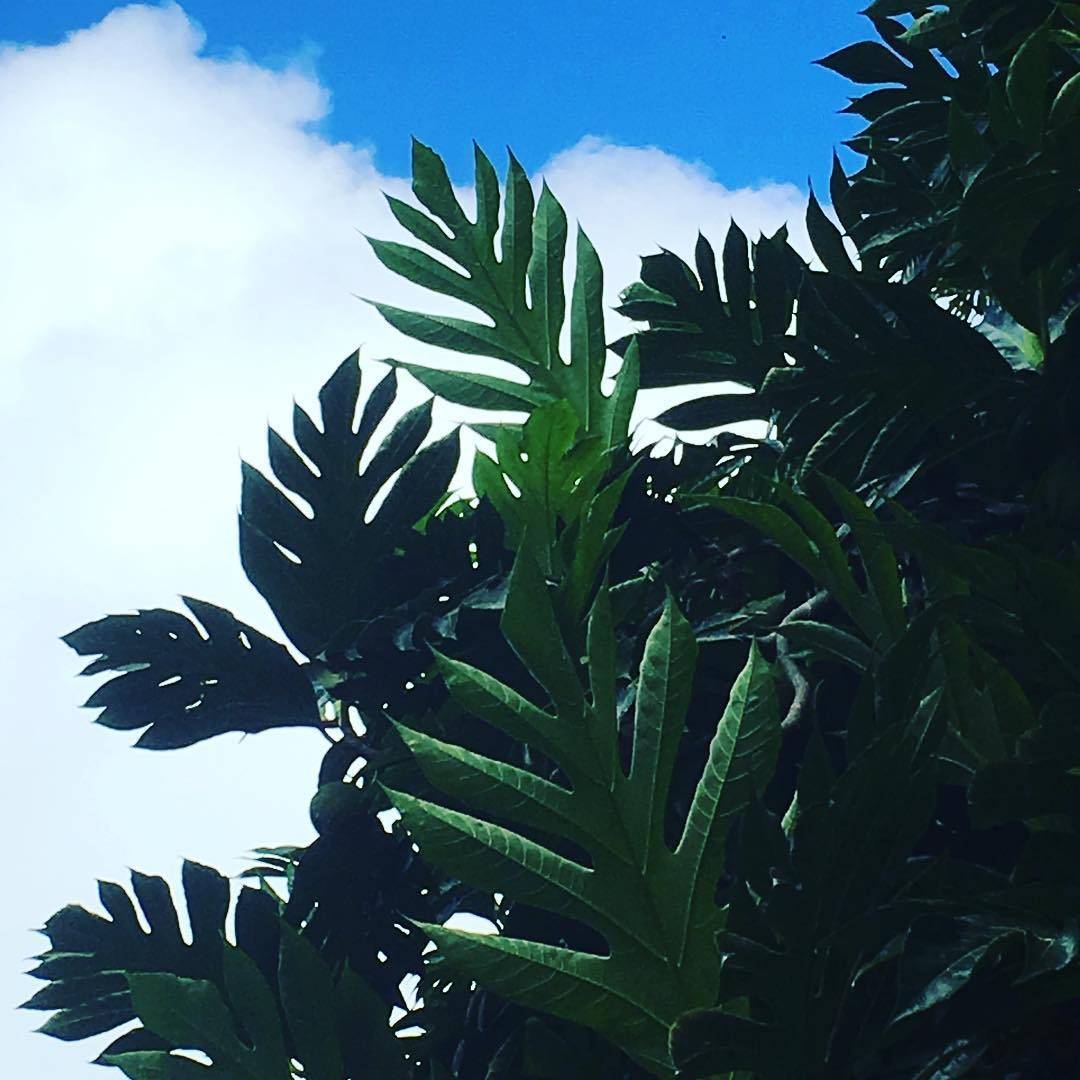
In the lush, emerald landscapes of the Hawaiian Islands, few plants are as instantly recognizable or as spiritually profound as the Ti leaf (Lā‘ī). While visitors to the islands often see these vibrant, broad green leaves used as ornamental decorations, intricate table runners, or festive hula skirts, for the Hawaiian people, the Ti leaf is a sacred symbol of protection, healing, and deep-seated culinary tradition. At Waiahole Poi Factory, we interact with this remarkable plant on a daily basis, most notably as the essential, protective wrapper for our authentic, slow-steamed Laulau.
Understanding the role of the Ti leaf is a fundamental key to understanding the broader Hawaiian worldview. It is a plant that seamlessly bridges the gap between the spiritual realm and the practical, physical needs of daily life. From the ceremonial blessing of a new home to the meticulous steaming of a traditional community feast, the Ti leaf is an ever-present guardian of the culture. In this comprehensive guide, we explore why this plant is far more than just a tropical garnish—it is a living, breathing connection to the mana (spiritual power) of the islands and the agricultural heritage of the locally sourced taro it often protects.
A Sacred Guardian: The Deep Cultural Roots of Lā‘ī
In ancient Hawaii, Ti leaves were considered strictly sacred to the gods, particularly Lono (the god of agriculture, fertility, and peace) and Hi‘iaka (the beloved sister of the volcano goddess, Pele). Because of this powerful divine connection, the leaves were—and still are—firmly believed to possess the supernatural power to ward off negative energy, repel evil spirits, and bring sustained good fortune to those who possess or plant them. This spiritual utility makes the Ti plant one of the most common sights in residential gardens across the islands today.
This profound spiritual significance manifests in several vital ways across contemporary Hawaiian life:
- Protection for the Home: It is a standard local practice to see Ti plants growing at the four corners of a house or standing guard near the entrance to provide a spiritual "shield" for the residents within.
- Ceremonial and Ritual Use: Kahu (priests) and cultural practitioners frequently use Ti leaves in blessing ceremonies, dipping the leaves into bowls of salted water to sprinkle over people, objects, or places to spiritually cleanse and sanctify them.
- The Sacred Hula Connection: Dancers often wear traditional skirts (pā‘ū) made of fresh green Ti leaves, which are believed to not only protect the performer but also enhance their spiritual connection to the forest and the deities of the dance.
- Leis of Honor and Respect: A Ti leaf lei is frequently woven and given as a symbol of deep respect, inner strength, and physical healing; they are often worn by men or gifted to those embarking on a significant new stage of life.
The Culinary Workhorse: The Ti Leaf in the Traditional Kitchen
Beyond its esteemed spiritual role, the Ti leaf is a technological and engineering marvel of the traditional Hawaiian kitchen. Its primary functional use in cooking is as a natural, biodegradable, and incredibly effective "pressure cooker" and flavoring agent. At our original valley location, the Ti leaf is an indispensable tool for creating the deep, earthy, and complex flavors that define our traditional menu.
The most iconic culinary application of this plant is undoubtedly the Laulau. To create this masterpiece of slow-cooking, succulent pieces of pork, fish, or chicken are first carefully wrapped in soft, edible taro leaves (lu‘au) and then encased in a sturdy, multi-layered outer shell of Ti leaves. This bundle is then steamed to perfection, allowing the flavors to meld in a controlled, high-moisture environment.
Why the Ti Leaf is Essential for Authentic Cooking
How to Interact with the Ti Leaf Like a Hawaii Local
If you are sitting down to enjoy a meal that features Ti leaves, such as the authentic Laulau served at our Windward Mall location, there is a specific and respectful etiquette to follow. Mastering these small details is the hallmark of a savvy diner who respects the culture.
- Do Not Attempt to Eat the Ti Leaf: While the inner taro leaves are delicious, nutritious, and meant to be consumed, the outer Ti leaf is extremely fibrous and entirely inedible. Think of it as a natural piece of parchment paper or a protective husk.
- Unwrap the "Gift" Carefully: The Laulau is often presented like a gift. Carefully untie the husk or peel back the waxy layers of the Ti leaf to reveal the steaming, dark green, and fragrant bundle of taro leaves and seasoned meat inside.
- Appreciate the Unique Aroma: Before you take your first bite of hand-pounded poi and meat, take a deep breath of the steam rising from the opened Ti leaves. That specific, tea-like scent is the true hallmark of authentic Hawaiian pit-steaming or pressure-steaming.
- Dispose of the Leaves with Respect: Traditionally, because the plant is considered sacred and comes directly from the ‘āina (land), used leaves are ideally returned to the earth or composted rather than simply tossed into a trash can with modern waste.
What the Community is Saying
FAQ: Frequently Asked Questions About Ti Leaves in Hawaii
1. Is the Ti leaf the same thing as a banana leaf used in other cultures? No, they are quite different. While both are used for wrapping food globally, the Ti leaf is smaller, significantly sturdier, and carries a much more complex spiritual and medicinal meaning within Hawaiian culture specifically.
2. Why do people use Ti leaves for "sliding" down muddy hills? In a popular and historically significant local pastime known as "Ti leaf sliding," people sit on large, bundled clumps of the leaves to slide down slick, muddy hillsides. It is a fun, traditional use of the plant’s naturally waxy and durable surface.
3. Are there different types or colors of Ti leaves? Yes. While the standard green Ti leaf is the primary choice for cooking and sacred ceremonies, there are dozens of ornamental varieties with vibrant red, purple, pink, and variegated leaves used extensively for tropical landscaping and decorative leis.
4. Can I really use Ti leaves to help heal a fever? In the traditional practice of La‘au Lapa‘au (Hawaiian herbal medicine), chilled Ti leaves were frequently wrapped around a person's forehead or limbs to help "pull" the heat out of the body and break a fever.
5. Where does Waiahole Poi Factory source its Ti leaves? We prioritize working with local farmers and practitioners to ensure our leaves are fresh, sustainably harvested, and handled with care, supporting the same agricultural traditions we aim to preserve for the next generation.
Honoring the Land in Every Steaming Bite
The Ti leaf stands as a testament to the enduring harmony between the people of Hawaii and their natural environment. It protects us, it heals us, and it provides the essential, fragrant vessel for the food that nourishes our physical bodies and our souls. The next time you carefully unwrap a steaming Laulau at Waiahole Poi Factory, take a brief moment to appreciate the sacred green leaf that made your traditional meal possible.
Connect with authentic Hawaiian culture today:
- View Our Menu of Traditionally Wrapped and Steamed Dishes
- Order Online for an Authentic Hawaiian Feast Delivered to Your Car
- Learn More About Our Century-Long Commitment to Traditional Methods