
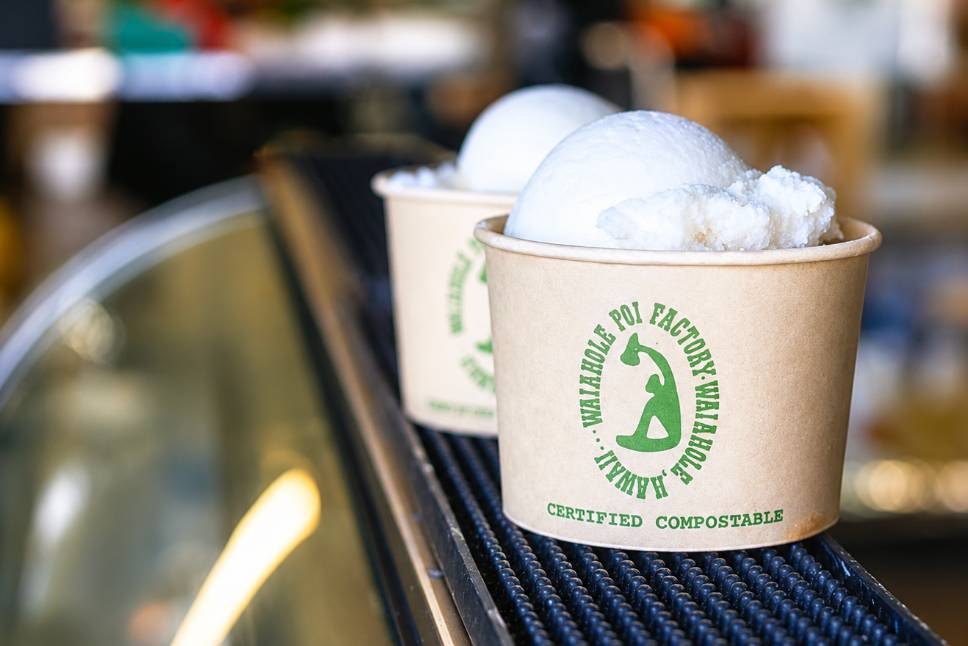
If you've searched for Hawaiian desserts, you've likely scrolled past endless recipes for pineapple upside-down cake or coconut cream pie that have little connection to the islands. Authentic Hawaiian desserts are not tropical-themed inventions. They grow from ingredients cultivated for centuries in Hawaiian valleys, prepared with methods passed down through generations. This guide cuts through the noise to show what makes traditional Hawaiian sweets unique, which ones define the culture, and where to experience the real thing—especially at places like Waiahole Poi Factory, where these traditions have been practiced since 1905.
At Waiahole Poi Factory, located in the historic Waiahole Valley on Oahu’s Windward Coast and at Windward Mall, the focus remains on hand-pounded poi, locally sourced taro, and desserts that honor the same slow processes families have used for generations. Their menu features plate lunches built around kalua pig, laulau, squid luau, and beef luau, always paired with the option of fresh poi or rice, plus lomi salmon and haupia. The desserts stand out as cultural anchors rather than afterthoughts.
What Separates Authentic Hawaiian Desserts From Tropical Imitations
Traditional Hawaiian desserts begin with three foundational ingredients: taro (kalo), sweet potato (‘uala), and coconut (niu). Pre-contact Hawaiians cultivated hundreds of taro varieties in lo‘i (wetland patches) throughout valleys like Waiahole. Taro was not merely a crop. It held sacred status as the elder sibling of the Hawaiian people in cultural narratives, central to both daily sustenance and ceremony.
Preparation methods carry equal weight. Underground imu ovens reach high temperatures and cook for many hours. Kulolo, the dense taro-coconut pudding, requires extended steaming—up to 24 hours—to break down calcium oxalate crystals in the taro and develop its signature caramelized, fudgy texture. Hand-pounding poi with a pōhaku ku‘i ‘ai (poi pounder) creates aeration and a smoother consistency that machines cannot fully replicate. The difference is noticeable on the tongue.
These long processes serve practical purposes beyond tradition. Taro offers higher calcium content than many root vegetables, and careful preparation increases digestibility and nutritional value. The slow caramelization of natural sugars cannot be rushed without losing depth of flavor. At Waiahole Poi Factory, kulolo is still steamed for 24 hours using locally sourced ingredients whenever possible, continuing methods rooted in the valley’s history since the business began in 1905.
Authentic Hawaiian desserts originally served dual roles: celebration foods for gatherings and nutrient-dense sustenance in a diet heavy in complex carbohydrates. This differs fundamentally from later plantation-era sweets or modern fusion desserts created for volume or visual appeal.
The Essential Traditional Hawaiian Desserts Worth Seeking Out
Three desserts form the core of traditional Hawaiian sweets. Each has preparation markers that reveal authenticity.
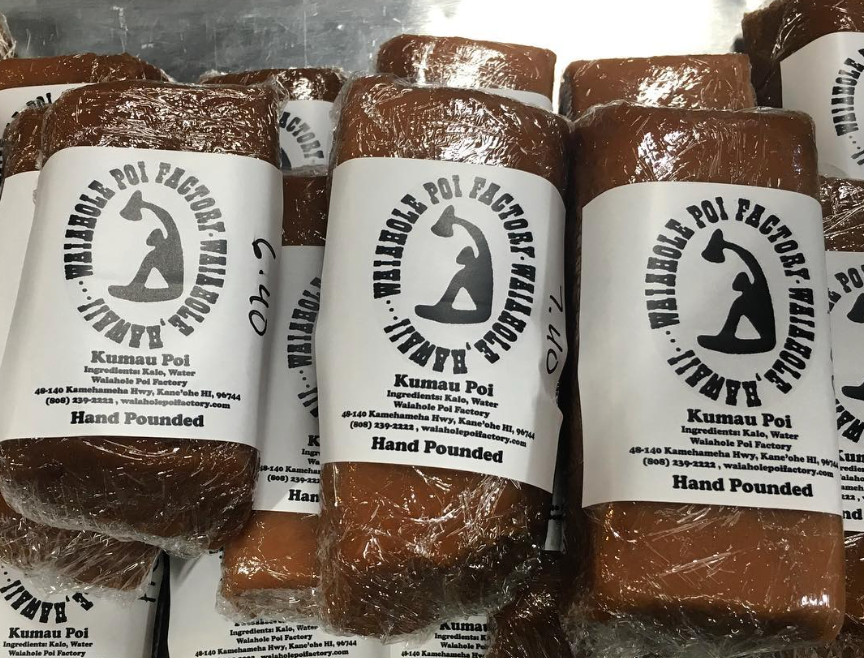
Kulolo is the benchmark. Made from grated taro root, coconut milk, and sugar, it should be dense and fudgy, almost brownie-like, with deep caramelized sweetness. The 24-hour steaming process is non-negotiable. Anything shorter risks undercooked taro that can irritate the throat and lacks complex flavor. Quality kulolo cuts cleanly yet remains moist. At Waiahole Poi Factory it is available by the scoop or by the pound when in season, and forms the base of their signature dessert.
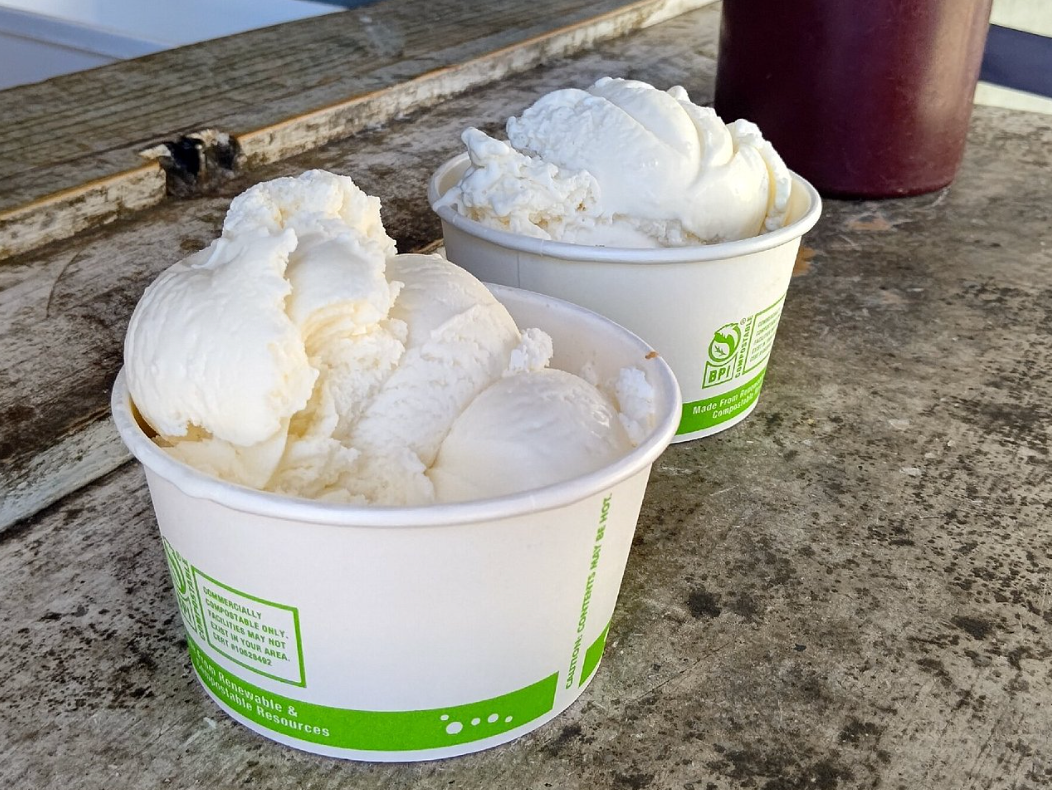
Haupia is coconut milk pudding. Traditional versions used pia (Polynesian arrowroot) as a thickener; modern versions often use cornstarch. The quality marker is firm—it should hold its shape when cut into squares yet retain a slight jiggle. A classic foundation is equal parts coconut milk, sugar, and starch, adjusted for desired texture. Coconut cream (first pressing) delivers more intensity than thinner milk. Waiahole serves haupia as a side with plates and also features haupia-flavored ice cream.
Sweet potato pudding (ko‘ele pālau) and po‘e (fruit-based puddings using breadfruit, banana, or papaya with arrowroot) complete the traditional lineup. These appear less often commercially but remain important at family gatherings. Waiahole offers a Tahitian Sweet Lady variation using warm banana po‘e topped with haupia ice cream, showing respectful evolution of the form.
The Sweet Lady of Waiahole is the factory’s signature creation. It pairs a warm slice of house-made kulolo with a scoop (or two) of creamy haupia-flavored ice cream. The temperature contrast—warm, gooey taro meeting cold coconut cream—creates a melt that locals and visitors alike describe as memorable. Single and double scoop options are available. This dessert is not a modern invention layered onto tradition; it grows directly from the same taro and coconut foundations while making the experience accessible.
This comparison highlights how Waiahole keeps traditional methods intact while offering variations that still respect the ingredients.
How Plantation-Era Sweets Became Part of Hawaiian Food Culture
Not every dessert associated with Hawaii is pre-contact. Malasadas (Portuguese fried dough) and butter mochi arrived with immigrant communities between the late 1800s and early 1900s. Portuguese laborers brought sweet bread traditions; Japanese immigrants introduced mochi-based sweets. These items became Hawaiian through multi-generational adoption in plantation communities where people of many backgrounds lived and worked side by side.
By the mid-20th century, such desserts had been part of island life for decades. Native Hawaiian families incorporated them into celebrations alongside traditional taro-based sweets. The distinction between authentic cultural fusion and superficial theming lies in time, shared experience, and respect. Waiahole Poi Factory, established in 1905 during this era of change, embodies that lived integration: traditional hand-pounded poi and 24-hour kulolo coexist with the practical realities of serving a diverse community.
Butter mochi illustrates the point. It is not ancient, yet it is authentically Hawaiian because it emerged from the islands’ multicultural reality and has been embraced across ethnic lines for generations.
Making Hawaiian Desserts at Home: Realistic Approaches
You can prepare satisfying versions without an imu, but ingredient quality determines the result. Haupia is the most accessible starting point. Combine one can of full-fat coconut milk, half a cup of sugar, and half a cup of cornstarch. Whisk constantly over medium heat until the mixture thickens heavily and coats a spoon (about 8–10 minutes). Pour into an 8x8 pan and refrigerate for several hours. Flavor improves after a full day.
Common failures include runny texture from insufficient starch or undercooking. The mixture must reach the right viscosity before removal from heat.
Butter mochi offers another approachable option. Mix one box of mochiko (sweet rice flour), one can of coconut milk, two cups of sugar, four eggs, and two teaspoons of baking powder. Bake at 350°F for about one hour until golden. The result is chewy and coconut-forward.
Taro-based desserts present more challenges on the mainland. Fresh taro does not travel well, and most commercial taro is grown in Hawaii. Frozen grated taro exists in some Asian markets, but texture differs from fresh. Purple-fleshed Hawaiian sweet potatoes also have different moisture levels than common varieties. For the most reliable home success, focus on coconut-based recipes where you control quality: full-fat coconut milk and pure coconut cream make a clear difference.
Even with careful home attempts, the experience of 24-hour steamed kulolo from a place that still practices the method remains distinct.
Where to Find the Real Thing on Oahu
Authenticity markers matter more than proximity to tourist centers. Family-owned operations that prepare food on-site using traditional methods, maintain clear connections to local agriculture, and operate with cultural continuity signal quality. Poi factories are especially reliable for taro-based desserts. These are small operations, not industrial facilities. Waiahole Poi Factory continues hand-pounded poi production and 24-hour kulolo steaming at both its original Waiahole Valley location and the Windward Mall food court.
Look for vendors who can explain where their taro comes from and how long their kulolo steams. If answers are vague, the product is likely commercial. Regional differences exist: Oahu is strong for poi-based items, while other islands have their own taro strengths. For a first experience, order kulolo and fresh poi together to taste taro’s range—from the slightly tangy, smooth poi to the sweet, dense kulolo. Add haupia if available. This combination covers core traditional flavors better than any single item.
Tourist-oriented venues often serve haupia pie or fusion desserts that taste pleasant but do not convey cultural significance. Start instead where locals eat, where preparation methods are explained, and where “established 1905” reflects actual continuity. Waiahole also offers Hawaiian food tours for those who want deeper context around the ingredients, history, and techniques.
Beyond desserts, the full menu rewards exploration: kalua pig smoked for twelve hours, laulau steamed in taro leaves, squid or beef luau, chicken long rice, ho‘io salad, and fresh limeade or mamaki tea. Plates include haupia as a standard side, reinforcing the place of coconut desserts within a complete meal.
Common Questions About Hawaiian Desserts
What is the most popular dessert in Hawaii?
Preferences vary. Many visitors favor shave ice or haupia pie. Locals often lean toward butter mochi, haupia, or malasadas for everyday treats. Kulolo ranks lower in casual popularity but higher in cultural significance—it appears at important family gatherings rather than as daily snack food.
Are Hawaiian desserts gluten-free or vegan?
Most traditional pre-contact desserts are naturally gluten-free because they rely on taro, sweet potato, and coconut rather than wheat. Many are vegan or easily adapted since coconut milk replaces dairy. Kulolo made with sugar and coconut milk is typically vegan and gluten-free. Butter mochi is an exception due to eggs. At Waiahole, the kulolo itself is dairy-free and gluten-free; the haupia ice cream contains dairy.
Can you find authentic Hawaiian desserts on the mainland?
Rarely in true form. Fresh taro is the limiting factor. Traditional kulolo has a short refrigerated shelf life, making shipping difficult. Some frozen products exist, but texture suffers. Coconut-based desserts like haupia are more feasible to make at home with high-quality ingredients. For the full taro experience, a visit remains the best option.
How do Hawaiian desserts differ from other Polynesian sweets?
They share coconut and taro foundations with Samoan, Tongan, and Tahitian traditions. Hawaii’s distinctions include specific local taro varieties, the prominent role of sweet potato, and the later integration of plantation-era influences that shaped a unique multicultural dessert landscape.
Experiencing Tradition at Waiahole Poi Factory
Traditional Hawaiian desserts reward patience—both in seeking authentic versions and in the preparation methods that give them depth. Start with kulolo from a place that still steams it the long way. Try the Sweet Lady of Waiahole for the temperature contrast that has made it a Windward Coast favorite. Pair it with a plate lunch featuring kalua pig or laulau and fresh poi to understand how these flavors balance within a full meal.
Waiahole Poi Factory operates two locations for convenience: the original historic site in Waiahole Valley and the Windward Mall food court with extended hours. Both maintain the commitment to local ingredients and traditional processes. Food tours provide additional insight into the cultural context. Whether you order online for pickup or visit in person, the focus remains on sharing the food and spirit of the ancestors—“Hanai i ka ‘Ai, Hanai i ke Aloha.”
These desserts are more than sweets. They carry stories of the land, of careful cultivation, of multi-hour cooking, and of community continuity. One carefully prepared bite of 24-hour kulolo or a properly set square of haupia connects you to practices that have sustained Hawaiian culture for centuries. Visit, taste, and experience the difference that genuine preparation makes.