
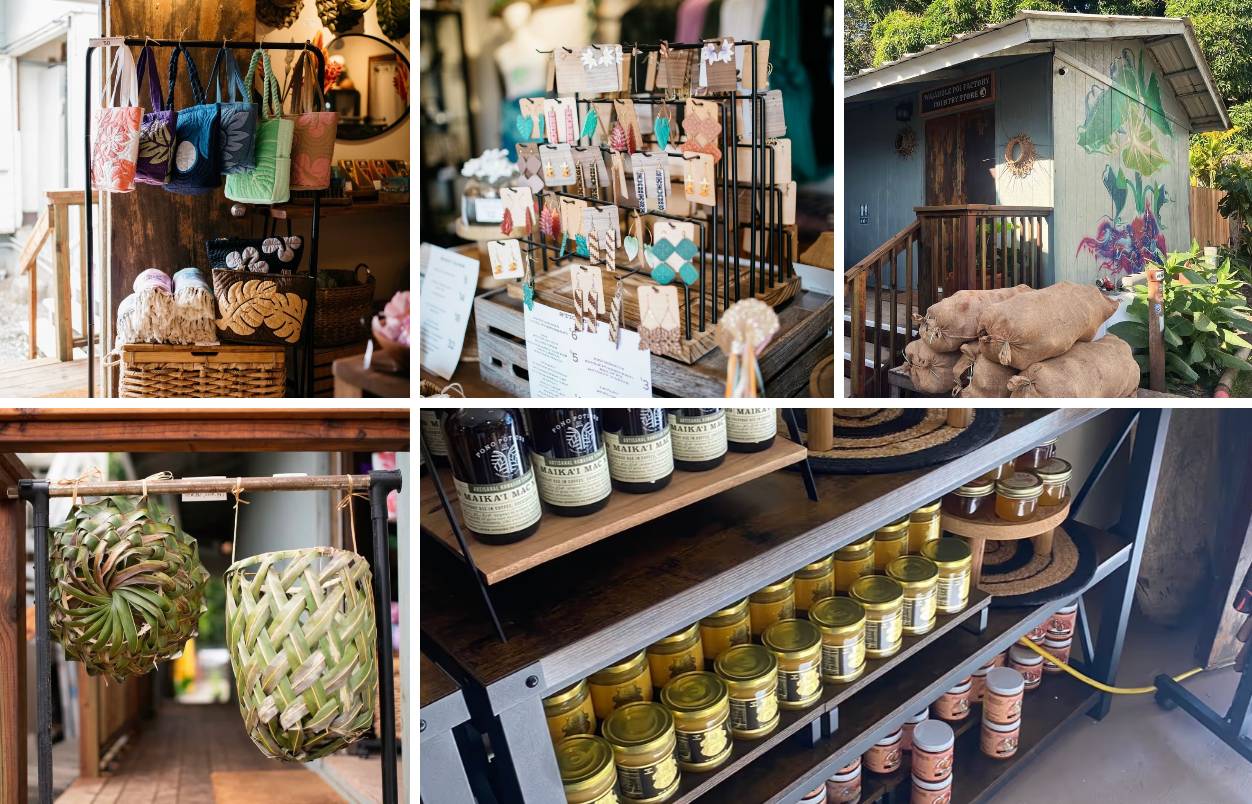
Hand-pounded poi and traditional Hawaiian plates made the way our kupuna taught us — Native Hawaiian owned and family operated.
Walk into Waiahole Poi Factory and you step into more than a place to eat. You enter a living link to Hawaiian food traditions that stretch back generations. Built as a poi factory in the early 1900s, this Native Hawaiian-owned and family-operated spot in Waiahole Valley has fed the community with the same care and methods our kupuna used. Every morning the rhythm of preparation continues — fresh taro transformed into poi, laulau wrapped and steamed, kalua pig slow-cooked until tender, and kulolo left to steam a full day so coconut and taro meld the right way.
Most places serve what visitors expect. We serve what Hawaiians have eaten for generations because this is our family’s food. The original location sits along Kamehameha Highway between Honolulu and the North Shore, about fifteen minutes past Kualoa Ranch. A second outpost operates inside Windward Mall’s food court so the same recipes reach more of the Kaneohe community seven days a week. Both places offer dine-in, takeout, and the chance to take a little of the valley home with you.
Our Legacy: Serving Hawaii for Over a Century
The building itself holds history. Constructed around 1905 as a working poi factory that processed kalo from the surrounding ahupuaʻa, it later became an art gallery showcasing Hawaiian artisans before the kitchen returned to its original purpose. Today the Hoe family continues that work, sourcing taro, produce, and other ingredients from valley farms they have known for decades. The result is food that tastes of the land rather than a long supply chain.
Poi is made daily — some hand-pounded with traditional stone methods, some milled — and fresh batches often sell out by early afternoon. Kulolo requires a full twenty-four hours of steaming. These are not shortcuts. They are the reasons the flavors remain true.
More Than a Restaurant: Step Inside the WPF Country Store
Beyond the counter that serves steaming plates, the original Waiahole Valley location functions as a true Hawaiian country store — a gathering place where food, craft, and community meet under one roof. Shelves hold locally made honey, Waiahole Valley coffee, packaged kulolo ready for the cooler or mainland shipping, handcrafted gifts from island artisans, and small-batch goods you will not find in big-box stores. Visitors can sit down for the signature Sweet Lady of Waiahole and then pack a whole one to take home. Locals stop for Sunday dinner and leave with birthday gifts made by neighbors. It is one-stop shopping that still feels like supporting the community rather than simply making a purchase.
The Country Store has become a favorite stop for those who want more than a meal. Recent celebrations, including its second anniversary, brought neighbors and visitors together for shopping, good food, and even a block-printing party — a lively example of the aloha that lives here.
In this post, local photographer @film.byev captures the joyful atmosphere of the WPF Country Store’s second anniversary celebration. Shoppers browse handmade goods, enjoy food from the kitchen next door, and gather for a community block-printing party. The images and caption highlight exactly what makes the store special: it is a small, welcoming space that lets you support local makers while tasting authentic Hawaiian food from the same family that has been preparing it for generations. If you are looking for a genuine way to take a piece of Waiahole home — whether a jar of valley honey, artisan crafts, or packaged kulolo — this is the place.
More Than a Restaurant: Your Hawaiian Country Store
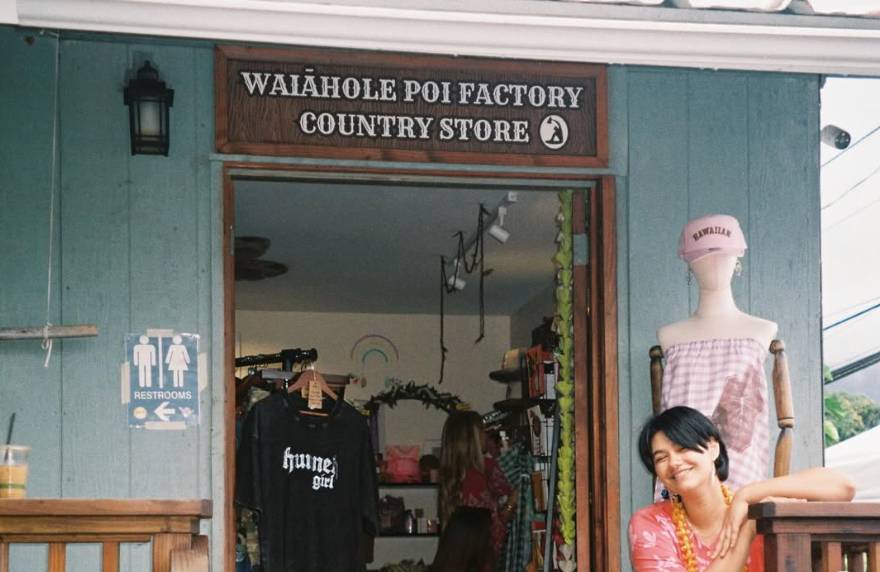
Beyond the counter that serves steaming plates, the original location functions as a country store. Shelves hold locally made honey, Waiahole Valley coffee, packaged kulolo ready for travel, and handcrafted gifts from island artisans. Visitors can enjoy the signature Sweet Lady of Waiahole at a table and then pack a whole one for the cooler. Locals stop for Sunday dinner and leave with birthday gifts made by neighbors. It is one-stop shopping that still feels like supporting the community rather than simply making a purchase.
What Sets Our Hawaiian Food Apart
Traditional methods, generational recipes, and ingredients tied to this valley create flavors you will not find in tourist versions of Hawaiian cuisine.
Core Plate Options
The menu keeps the structure simple and generous so you can build a meal the way locals do.
Entrées include:
- Laulau — Generous pork with a touch of butterfish wrapped and steamed in taro leaves.
- Kalua Pig — Pork butt slow-cooked and smoked for twelve hours, shredded and seasoned with Hawaiian sea salt.
- Beef Luʻau — Braised beef chuck with onions, ginger, and tender taro leaves.
- Squid Luʻau — Thinly sliced octopus in rich coconut milk with slowly cooked taro leaves.
- Chicken Long Rice — Chicken and glass noodles in a ginger-chicken broth.
Sides bring brightness and balance: Lomi Salmon (diced tomatoes, onion, green onion, and salt-cured salmon), Hoʻio Salad (fern salad with onions, tomatoes, and optional dried shrimp), fresh poi, rice, and haupia.
Most traditional dishes are naturally gluten-free because they rely on taro, rice, and whole ingredients rather than wheat. Staff know every component and can guide guests with dietary needs.
How to Order Like a Local
If this is your first Hawaiian plate, start with a Combo or Single Plate so you can taste without overwhelm. Many first-timers choose kalua pig or chicken long rice for approachable flavors, then mix a little poi with the meat. The saltiness of the protein balances the mild, slightly tangy poi perfectly. Locals often order the Kanaka Nui when they want the full range of tastes on one tray.
Pro tip: request poi instead of (or in addition to) rice for the most traditional experience. And never skip the Sweet Lady if it is available — limited batches of kulolo sell out.
Order online for pickup, call the store, or walk up. For large takeout or specialty items, a little advance notice helps because traditional preparation cannot be rushed.
What Locals and Visitors Say
Guests repeatedly note the same things: the poi tastes the way their grandparents described, the staff take time to explain dishes, and the food feels like a genuine expression of place rather than a performance for tourists.
Visit Us in Waiahole Valley or Kaneohe
Historic Waiahole Valley (Original) & Country Store
48-140 Kamehameha Hwy, Kāneʻohe, HI 96744
Phone: (808) 239-2222
Hours: Wednesday–Monday 10:00 AM – 6:00 PM; Closed Tuesdays
Windward Mall Food Court
46-056 Kamehameha Hwy, Kāneʻohe, HI 96744 (upper-level food court)
Extended hours, open seven days a week (typically until 8 or 9 PM on weeknights and weekends).
The valley location is where the daily poi is made and where you can browse the country store. Morning visits improve your chances of finding full availability of poi and kulolo. Both spots welcome diners, takeout orders, and questions about ingredients or cultural context.
The team also offers authentic Hawaiian food tours for those who want a deeper look at the traditions behind the plates.
Common Questions
What is poi and how should I eat it?
Poi is steamed taro root pounded or milled into a smooth paste — the staple of Hawaiian nutrition for centuries. It is mild, slightly tangy, and naturally gluten-free. Pair it with kalua pig, laulau, or lomi salmon; many people mix a little with the meat rather than eating it alone in large bites.
Do you ship?
Packaged kulolo and poi can be arranged for mainland travel. Call the store for current options and storage guidance.
Is the food gluten-free?
Most traditional dishes are, because they center on taro, rice, and whole proteins. Staff will confirm ingredients for any concern.
Why do popular items sell out?
Poi is made fresh each morning. Kulolo requires a full day of steaming, so batches are limited. Weekday mornings and advance calls help if you are coming specifically for those items.
Is it good for first-timers or kids?
Yes. Kalua pig, chicken long rice, and rice bowls are approachable starting points. The staff are happy to explain and suggest milder options.
Taste the Tradition
Waiahole Poi Factory is not a recreation of Hawaiian food. It is a Native Hawaiian family continuing the work of feeding the community the way it has been done here for more than a century. Come for the hand-prepared poi, the slow-cooked plates, the twenty-four-hour kulolo, the Sweet Lady of Waiahole, and the quiet pride that lives in every dish. Whether you stop on the way to the North Shore, meet friends at the mall location, order catering for a celebration, or simply sit and talk story, you are welcome.
View the full menu and order online, call (808) 239-2222, or walk through the doors on Kamehameha Highway. Mahalo for supporting a place that keeps these traditions alive.