
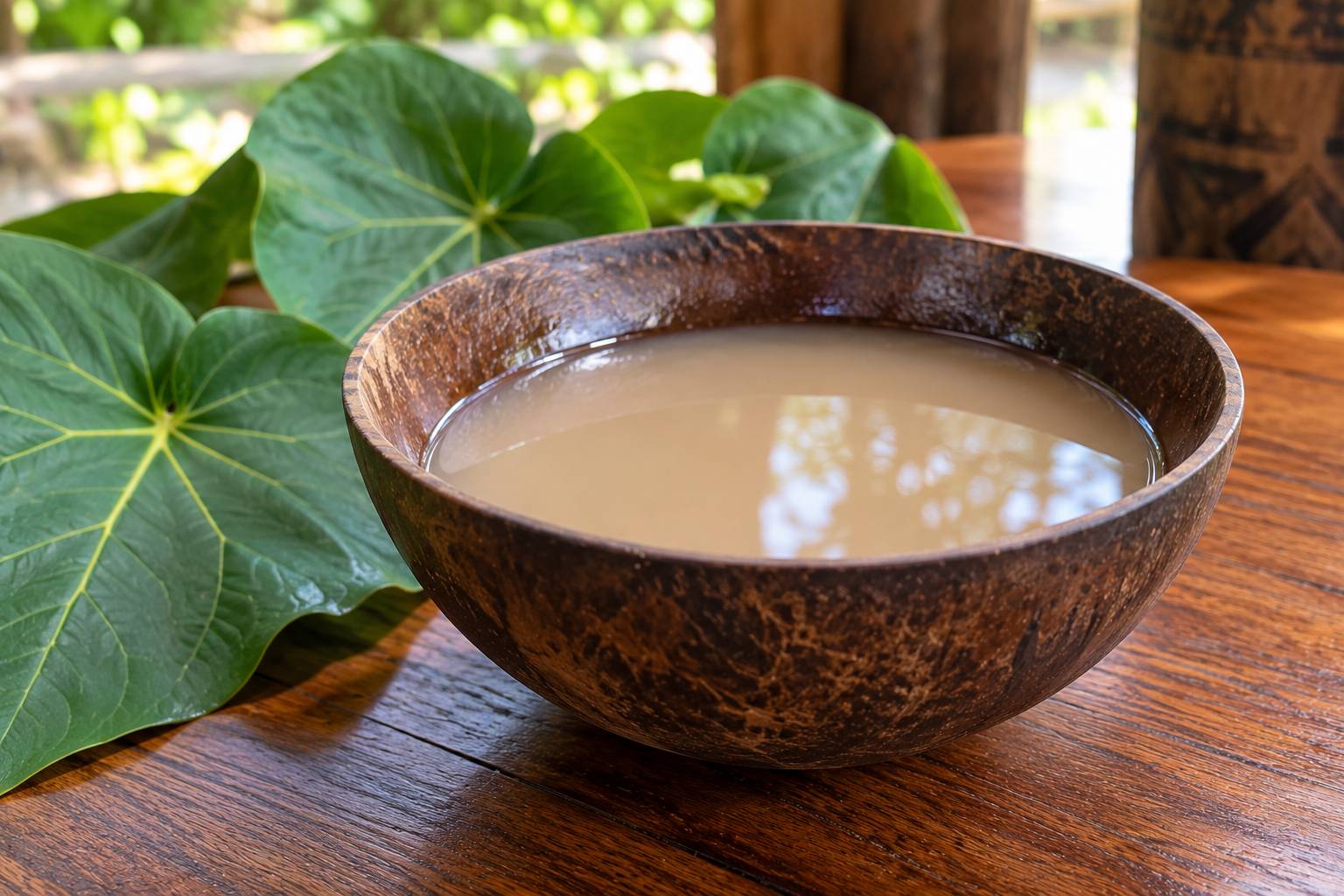
When exploring Hawaiian food, you may recognize dishes such as poi, laulau, and kalua pig. But Hawaiian food traditions also include beverages that have been part of community gatherings and cultural practices for generations.
One of those beverages is ʻawa.
ʻAwa, also known as kava, is a traditional drink made from a plant called Piper methysticum. It has a long history in Hawaiian ceremonial and social settings and remains culturally significant today.
At Waiāhole Poi Factory, ʻawa is included on the drinks menu at our original Waiāhole Valley location.
If you've noticed it on our menu and wondered what it is, here's an introduction to the plant, the drink, and its place in Hawaiian culture.
What Is ʻAwa?
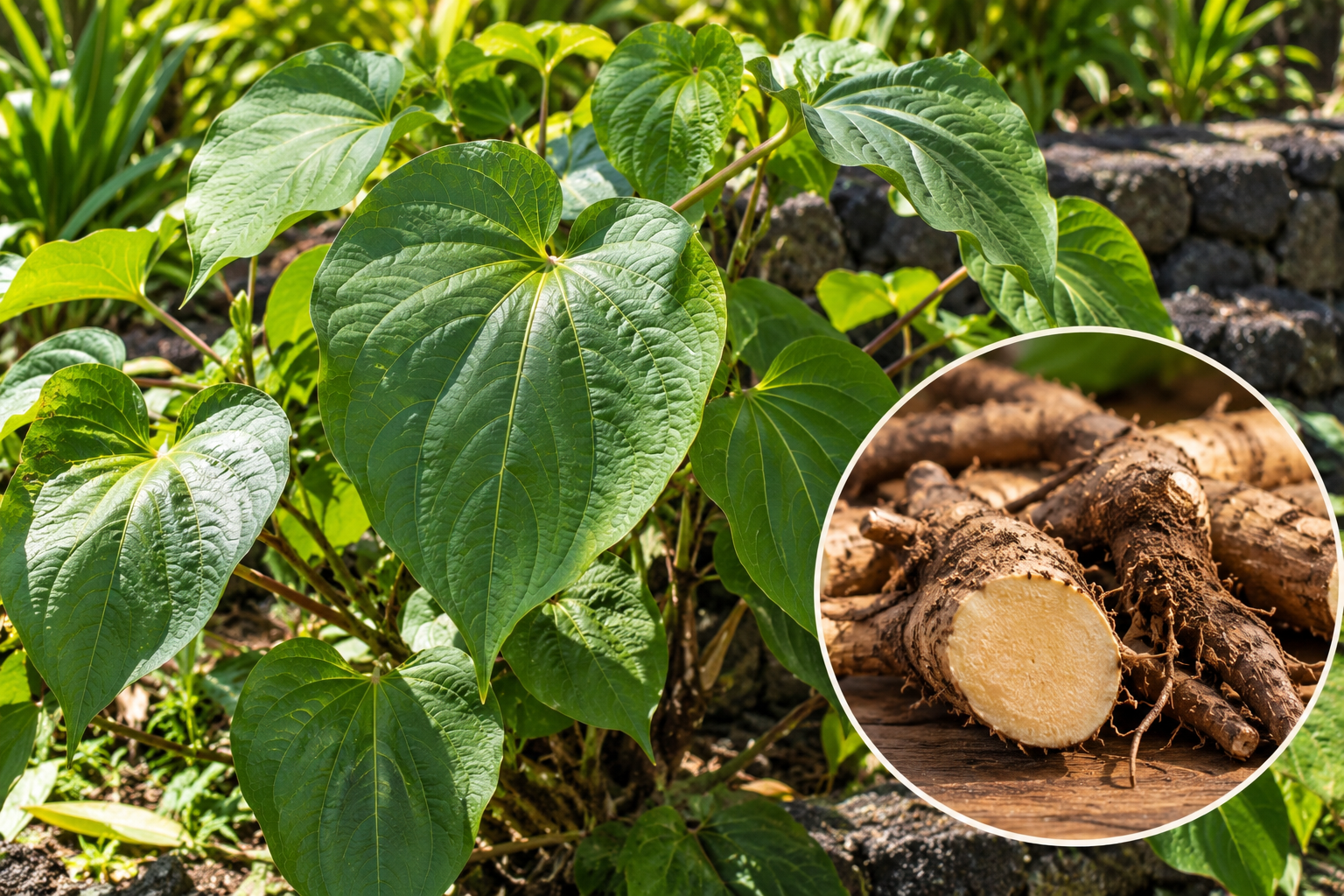
ʻAwa is the Hawaiian name for kava, a plant scientifically known as Piper methysticum.
The plant belongs to the pepper family, Piperaceae, and was introduced to Hawaiʻi by Polynesian settlers.
Unlike plants valued primarily for their leaves or fruit, ʻawa is traditionally associated with the use of its underground plant parts.
These are processed and mixed with water to prepare the beverage.
The Hawaiʻi Department of Land and Natural Resources identifies ʻawa as a Polynesian-introduced plant with an important place in Hawaiian ceremonial traditions.
The same plant is known by different names across the Pacific, including kava in English.
For someone encountering the drink for the first time, understanding this connection helps explain why ʻawa appears in discussions of both Hawaiian culture and broader Pacific Island traditions.
The Cultural Importance of ʻAwa in Hawaiʻi
ʻAwa has historical significance beyond its role as a beverage.
In traditional Hawaiian society, it was associated with ceremonies and social gatherings. Its use could carry cultural meaning connected to the particular occasion.
The Bishop Museum's ethnobotany database documents ʻawa's historical use in different ceremonial and social contexts.
This history distinguishes ʻawa from an everyday refreshment.
While the drink may be unfamiliar to many visitors, it is part of a much longer cultural story.
Understanding that background is important when learning about Hawaiian food traditions. ʻAwa is not simply another name for a tropical fruit drink or a modern beverage trend.
It comes from a plant with longstanding connections to Hawaiian cultural practices.
How Is Traditional ʻAwa Prepared?
Traditionally, ʻawa beverages are made by processing the plant's roots or underground parts and mixing the prepared material with water.
According to the University of Hawaiʻi's Pacific Food Guide, preparation methods include grinding the roots into a pulp and combining them with water.
Historical and contemporary preparation practices vary.
Unlike conventional tea, which is typically made by steeping leaves in water, ʻawa is associated with the preparation of the plant's underground parts.
That difference is helpful to understand if you're comparing traditional Hawaiian beverages.
At Waiāhole Poi Factory, our published menu identifies ʻawa as a traditional ceremonial and social drink. It does not describe our specific preparation process.
For that reason, we distinguish the general traditional preparation of ʻawa from the details of the beverage served at our restaurant.
What Does ʻAwa Taste Like?
Traditional ʻawa is commonly described as having an earthy, sometimes bitter flavor.
It is different from a typical sweet juice or fruit-flavored drink.
Depending on the preparation, the beverage can have a cloudy appearance and a noticeable plant-based taste.
However, the exact flavor, consistency, and appearance can differ between preparations.
Our menu does not specify the taste or serving characteristics of our particular ʻawa beverage. If you're curious about what to expect, you can ask our staff about the drink before ordering.
That approach is especially useful if you're unfamiliar with ʻawa and want to understand what is being served.
How Is ʻAwa Different From Māmaki Tea?
Both ʻawa and māmaki tea appear on our original-location drinks menu, but they come from different plants and have different histories.
At our restaurant, māmaki tea is offered sweetened or unsweetened.
Our published menu does not specify comparable preparation or customization choices for ʻawa.
These differences matter because the two drinks should not be treated as interchangeable.
If you're interested in learning about Hawaiian beverages, understanding where they come from is a useful starting point.
What Should You Know Before Trying ʻAwa?
Because ʻawa is a beverage containing pharmacologically active plant compounds, it deserves a more informed decision than an ordinary soft drink.
Kava products can have interactions with medications and may not be appropriate for everyone. People who are pregnant, breastfeeding, have liver conditions, or take medications should seek appropriate medical advice before consuming them.
The University of Hawaiʻi Pacific Food Guide also advises medical supervision when kava is being considered by people receiving treatment or taking medications.
Our menu identifies ʻawa as an available beverage, but we do not make medical claims or recommend it for treating health conditions.
If you have questions about the ingredients or suitability of our particular drink, contact our Waiāhole location before ordering.
Where Can You Find ʻAwa at Waiāhole Poi Factory?
ʻAwa is included in the drinks section of our official menu for our original Waiāhole Valley restaurant.
Waiāhole Poi Factory: Original Location
48-140 Kamehameha Highway
Kāneʻohe, HI 96744
Business hours:
- Wednesday through Monday: 10:00 AM to 6:00 PM
- Tuesday: Closed
Phone: (808) 239-2222
Our original location also lists house-made limeade, māmaki tea, and a selection of canned and bottled beverages.
Although we also operate a counter at Windward Mall, the published specialty drinks menu is associated with the original location. We do not assume ʻawa is available at both restaurants.
You can check our website for current location details and business hours before visiting.
Discover Hawaiian Food and Drinks at Waiāhole Poi Factory
Learning about ʻawa is one way to understand that Hawaiian food traditions extend beyond the dishes on a plate.
From its Polynesian origins to its historical role in Hawaiian gatherings, ʻawa has a cultural background worth recognizing.
At Waiāhole Poi Factory, our mission is to share Hawaiian food traditions through the dishes and beverages we serve.
If you're interested in exploring our menu, you can review our traditional Hawaiian food and drink selections before visiting our original Waiāhole Valley location.
Mahalo for supporting Waiāhole Poi Factory.