
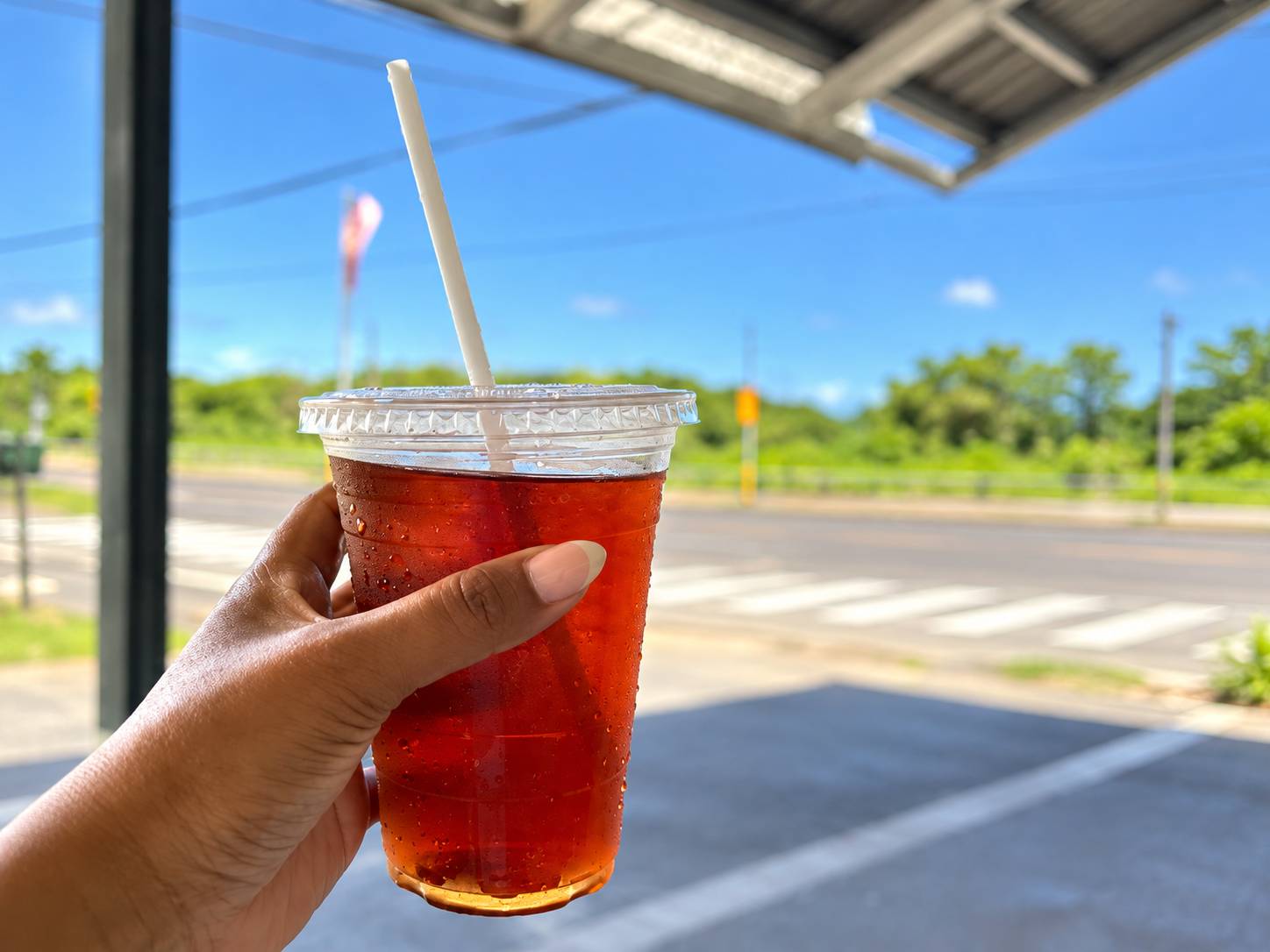
If you're exploring traditional Hawaiian food, you might already be familiar with poi, kalua pig, or laulau. But Hawaiian food traditions also include beverages made from plants that grow naturally in the islands.
One of those plants is māmaki.
Māmaki tea is a traditional Hawaiian herbal drink made by steeping the leaves of the māmaki plant in water. Unlike conventional black or green tea, which comes from the tea plant Camellia sinensis, māmaki comes from a different plant native to Hawaiʻi.
At Waiāhole Poi Factory, we serve māmaki tea brewed fresh in-house with māmaki leaves and lemongrass. You can order it sweetened or unsweetened at our original Waiāhole Valley location.
Whether you've enjoyed māmaki before or are discovering it for the first time, here's what makes this Hawaiian beverage distinctive and how you can try it during your visit.
What Is Māmaki Tea?
Māmaki tea is an herbal infusion made from the leaves of the māmaki plant, scientifically known as Pipturus albidus.
The plant belongs to the nettle family and is endemic to Hawaiʻi. That means it grows naturally in the Hawaiian Islands and is part of the islands' native plant life.
According to the Hawaiʻi Department of Land and Natural Resources, māmaki grows as a shrub or small tree in a variety of Hawaiian forest environments.
Its leaves have long been used to make tea, giving the plant a place in Hawaiian cultural and botanical traditions.
Māmaki tea differs from familiar tea varieties in one important way: it does not come from the same plant used to produce black, green, or oolong tea.
If you're accustomed to ordering conventional tea, māmaki offers an opportunity to experience a beverage made from a Hawaiian plant instead.
What Does Māmaki Tea Taste Like?
Māmaki tea generally has a mild herbal character. Its flavor can vary depending on the leaves and how the tea is brewed.
You can expect something different from the stronger, more astringent taste associated with some black teas.
The flavor of māmaki can also change when other ingredients are added.
At our Waiāhole location, we prepare our tea with māmaki leaves and lemongrass.
Lemongrass contributes a light citrus-like aroma that complements the herbal character of the māmaki. This gives our version its own flavor compared with a tea made from māmaki leaves alone.
You can also choose whether to have your drink sweetened or unsweetened.
If you enjoy herbal drinks without added sweetness, the unsweetened version lets you focus more on the character of the māmaki and lemongrass.
If you prefer a sweeter beverage, we offer that option as well.
How We Prepare Māmaki Tea at Waiāhole Poi Factory
At our original Waiāhole Valley location, māmaki tea is part of the drinks selection we serve alongside our Hawaiian food.
Our official menu describes the drink as a red Hawaiian tea brewed fresh in-house with māmaki leaves and lemongrass.
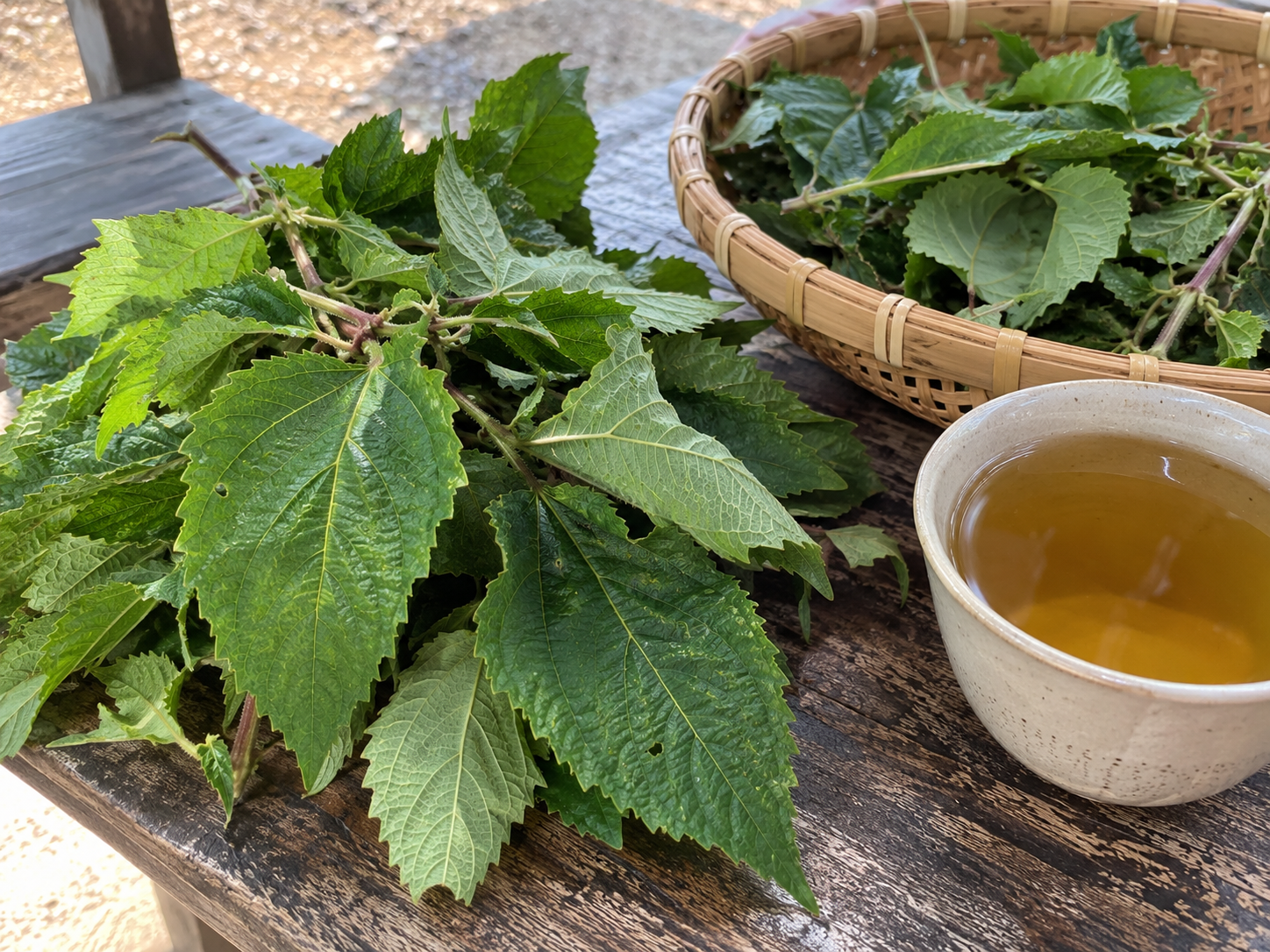
Māmaki Leaves
The foundation of the drink is māmaki.
These leaves are what distinguish māmaki tea from other herbal beverages. The plant's botanical identity and connection to Hawaiʻi are central to understanding the drink.
We use māmaki leaves in our tea, giving customers a chance to experience this Hawaiian beverage as part of their visit.
Lemongrass
We also include lemongrass in our preparation.
Lemongrass is known for its citrus-like fragrance, making it a complementary ingredient for herbal infusions.
In our tea, it adds another dimension to the drink without replacing the māmaki as the main ingredient.
Sweetened or Unsweetened
We offer two sweetness options.
Customers who prefer herbal tea without added sweetener can choose the unsweetened version. Those who enjoy a sweeter drink can order it sweetened.
It's a simple choice, but one worth knowing before you order, especially if you're trying māmaki tea for the first time.
Māmaki and Its Connection to Hawaiian Traditions
Māmaki is more than an ingredient used in herbal tea. It is also a plant with a documented place in Hawaiian material culture.
The Bishop Museum's ethnobotany database describes historical uses of māmaki, including its inner bark fibers for making kapa, a traditional Hawaiian barkcloth.
Māmaki leaves have also been used to prepare tea.
These different applications show how a single plant can have several roles in Hawaiian life.
The tea is one way people encounter māmaki today, including those who may not otherwise be familiar with the plant.
At Waiāhole Poi Factory, our mission is to share Hawaiian food traditions through what we serve.
Offering māmaki tea alongside our meals gives visitors another opportunity to become familiar with an ingredient connected to Hawaiʻi.
Is Māmaki Tea the Same as Regular Tea?
Although both beverages are commonly called tea, they come from different plants.
Conventional black and green teas are made from Camellia sinensis. Māmaki tea is prepared from Pipturus albidus.
The comparison helps explain why māmaki is considered an herbal infusion rather than a conventional tea variety.
It also helps set expectations if you've never ordered it before.
Our version adds lemongrass, so the flavor will not necessarily be identical to every other māmaki tea you encounter.
Enjoy Māmaki Tea With Our Hawaiian Food
When you visit our Waiāhole location, you can explore māmaki tea alongside dishes from our traditional Hawaiian menu.
For someone ordering a Hawaiian plate for the first time, the drink offers a different option from conventional bottled beverages.
Consider enjoying it with one of these menu items:
Kalua Pig
Our Kalua Pig is slow-cooked and smoked for twelve hours, then shredded and seasoned with Hawaiian sea salt. Māmaki tea offers an herbal beverage choice alongside the savory pork.
Chicken Long Rice
Our Chicken Long Rice combines chicken and rice noodles in a ginger and chicken broth. If you enjoy the ginger notes in this dish, you may also appreciate exploring the lemongrass character of our māmaki tea.
Laulau
Our Laulau features pork and a touch of butterfish wrapped and steamed in taro leaves. Ordering it with māmaki tea lets you enjoy two distinct parts of our menu in one meal.
These are serving suggestions rather than fixed combinations. You can choose your meal and beverage according to your own preferences.
Browse our Hawaiian food menu to see the entrées, sides, and drinks available.
Where Can You Try Māmaki Tea on Oʻahu?
You can find our māmaki tea on the drinks menu at our original location in Waiāhole Valley.
Waiāhole Poi Factory
48-140 Kamehameha Highway
Kāneʻohe, HI 96744
Hours:
- Wednesday through Monday: 10:00 AM to 6:00 PM
- Tuesday: Closed
Phone: (808) 239-2222
Our original location is where we list māmaki tea, along with our in-house limeade and other drinks.
We also operate a separate location at Windward Mall, but our published drinks menu identifies these beverages with the original Waiāhole location. If you're specifically visiting to try māmaki tea, plan around our Waiāhole Valley location.
Check our website for location information and current hours before your visit.
Try Our Māmaki Tea During Your Visit
If you're curious about Hawaiian herbal drinks, māmaki tea is worth getting to know.
Made from the leaves of a plant endemic to Hawaiʻi, it offers a different experience from conventional tea. Our preparation combines māmaki leaves and lemongrass, with sweetened and unsweetened options.
At Waiāhole Poi Factory, we're glad to share traditional Hawaiian food and drinks with customers who want to learn more about what they're enjoying.
The next time you stop by our original Waiāhole Valley location, explore our menu and consider ordering māmaki tea with your meal.
Mahalo for supporting Waiāhole Poi Factory.